Advertiser Disclosure
We independently review everything we recommend. When you buy through our links, we may earn a commission.
The Best 500 Piece Jigsaw Puzzles
There’s a reason the 500-piece format keeps showing up in gift guides, hobby roundups, and casual puzzle communities: it’s a genuinely versatile count. It’s usually manageable in one sitting — typically three to five hours for most adults — but it still gives you enough complexity to feel earned when you finish. You’re not breezing through it in forty minutes, and you’re not abandoning it half-finished on the dining room table for three weeks either.
That balance is harder to find at other piece counts. A 100-piece puzzle can feel too quick, especially once you’ve puzzled for a while. A 1,000-piece commitment requires the right table, the right evening, and the right level of patience. At 500 pieces, the barrier is lower, but the payoff is real.
We put together this guide for anyone trying to sort through the noise — whether you’re picking up a puzzle for yourself, choosing one as a gift, or looking to upgrade from whatever box was lying around. The brands below represent a range of approaches: premium German engineering, affordable American staples, boutique art puzzles, and a few options that land somewhere in between.
Everything We Recommend
✅ We recommend these products based on an intensive research process that’s designed to cut through the noise and find the top products in this space. Guided by experts, we spend hours looking into the factors that matter to bring you these selections.
⭐ 2.5 million+ people assisted in the last 30 days ⭐
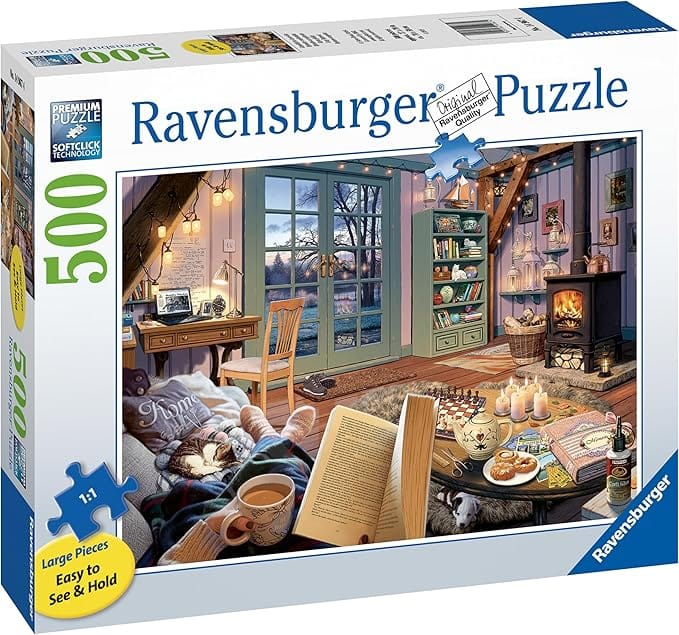
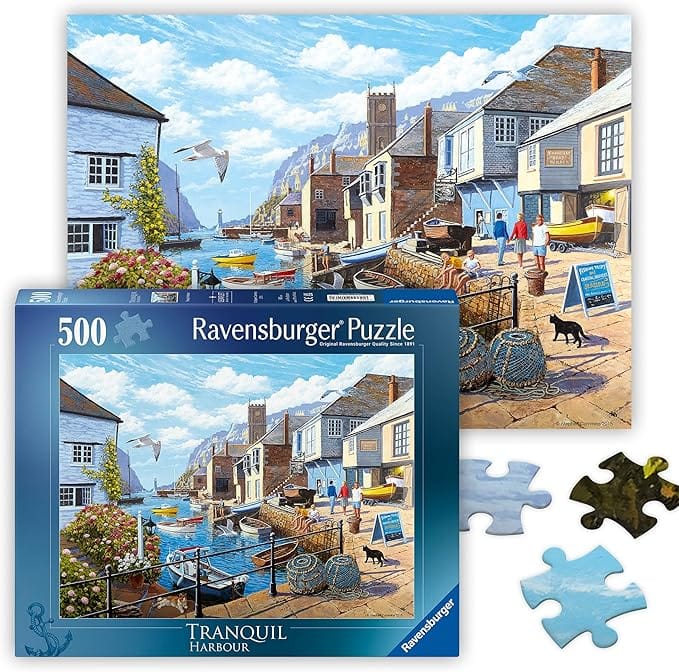
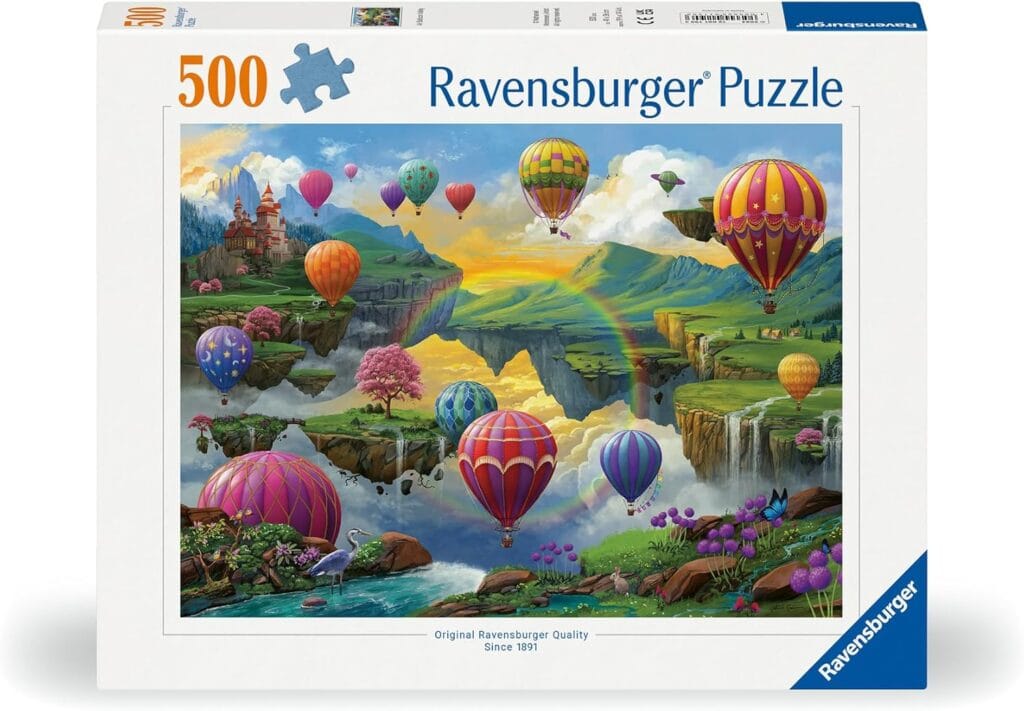
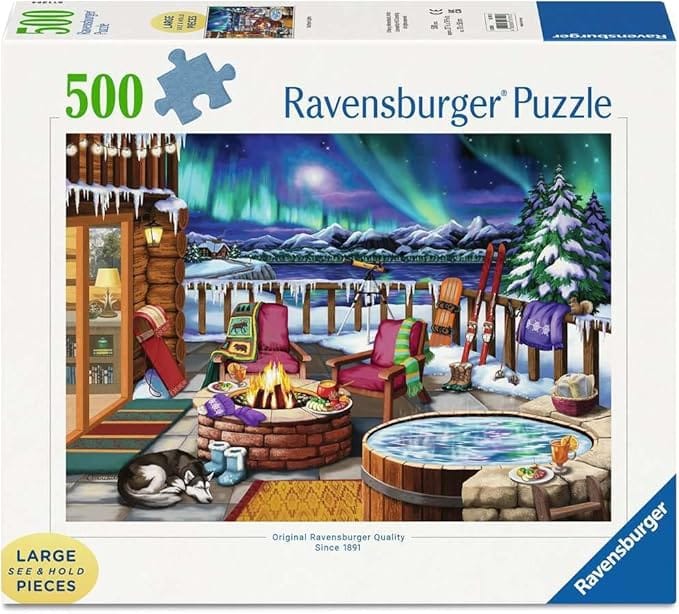
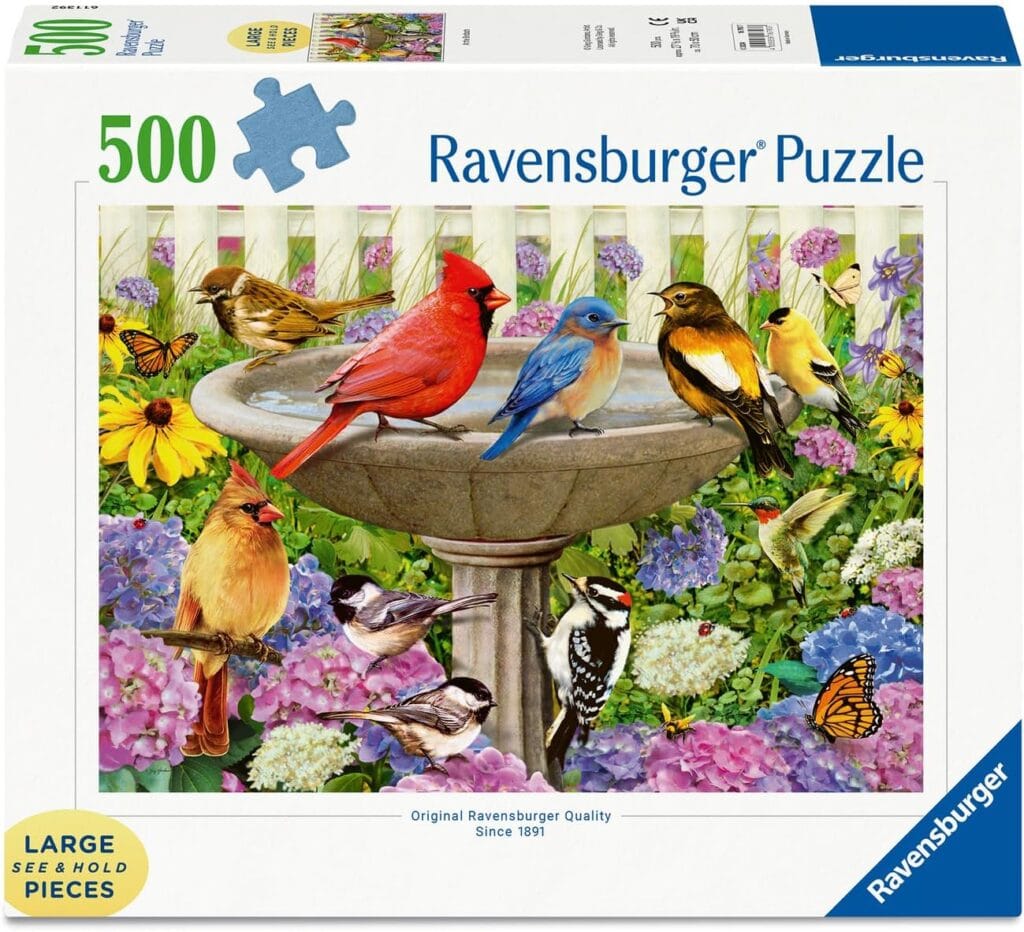
If you’ve spent any time in puzzle communities online or in specialty hobby shops, you’ve probably heard Ravensburger mentioned in almost reverent terms. The German manufacturer has been making puzzles since 1891, and the consistency of their production quality is genuinely hard to argue with. We found their 500-piece puzzles to be among the most tactilely satisfying to work with: the pieces are cut from a thick, durable chipboard with a linen-like matte finish that minimizes glare and makes colors read clearly under lamp light. Fit is precise without being brutal — pieces click in with a confident snap rather than requiring force. The subject matter runs wide, from classic European landscapes to licensed pop culture art, so there’s usually something that fits your taste. The main trade-off is price: Ravensburger puzzles typically cost more than comparably sized options, and the image variety, while broad, skews toward traditional or fine-art themes that won’t appeal to everyone. If you’re buying for a serious or regular puzzler, though, this is usually where we’d point you first.
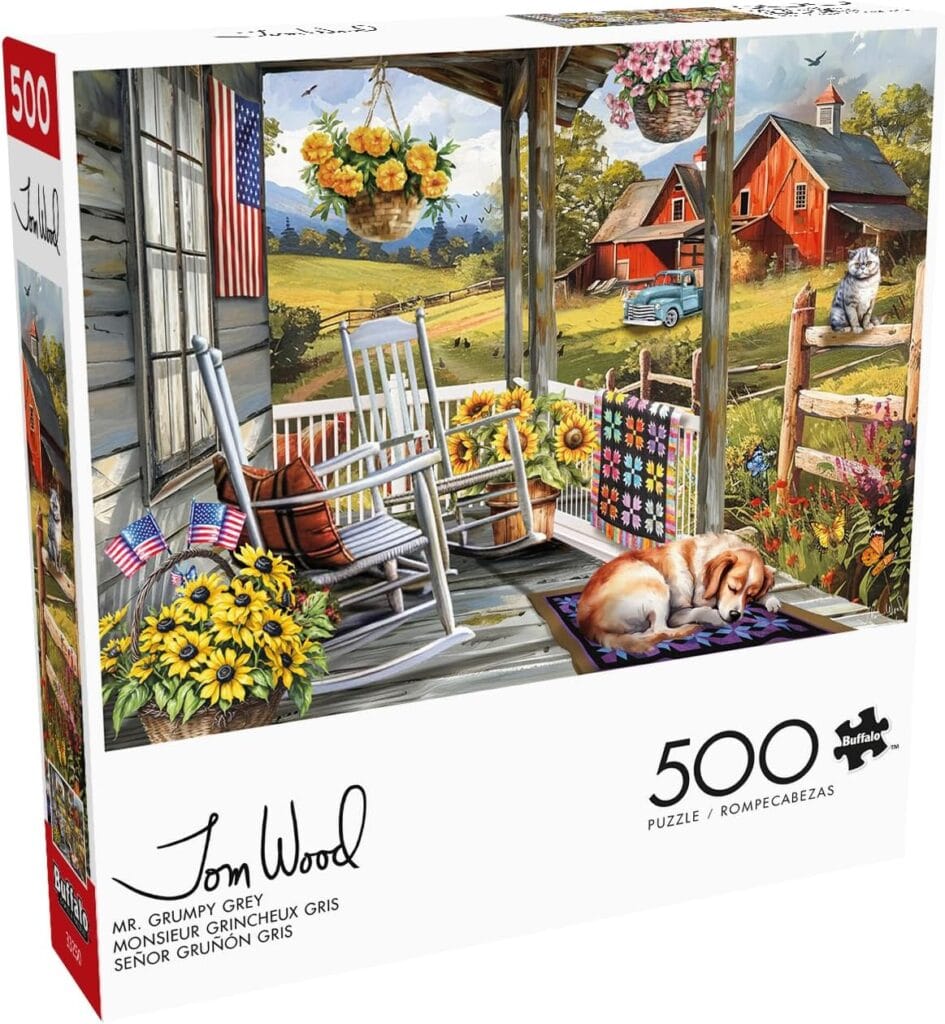
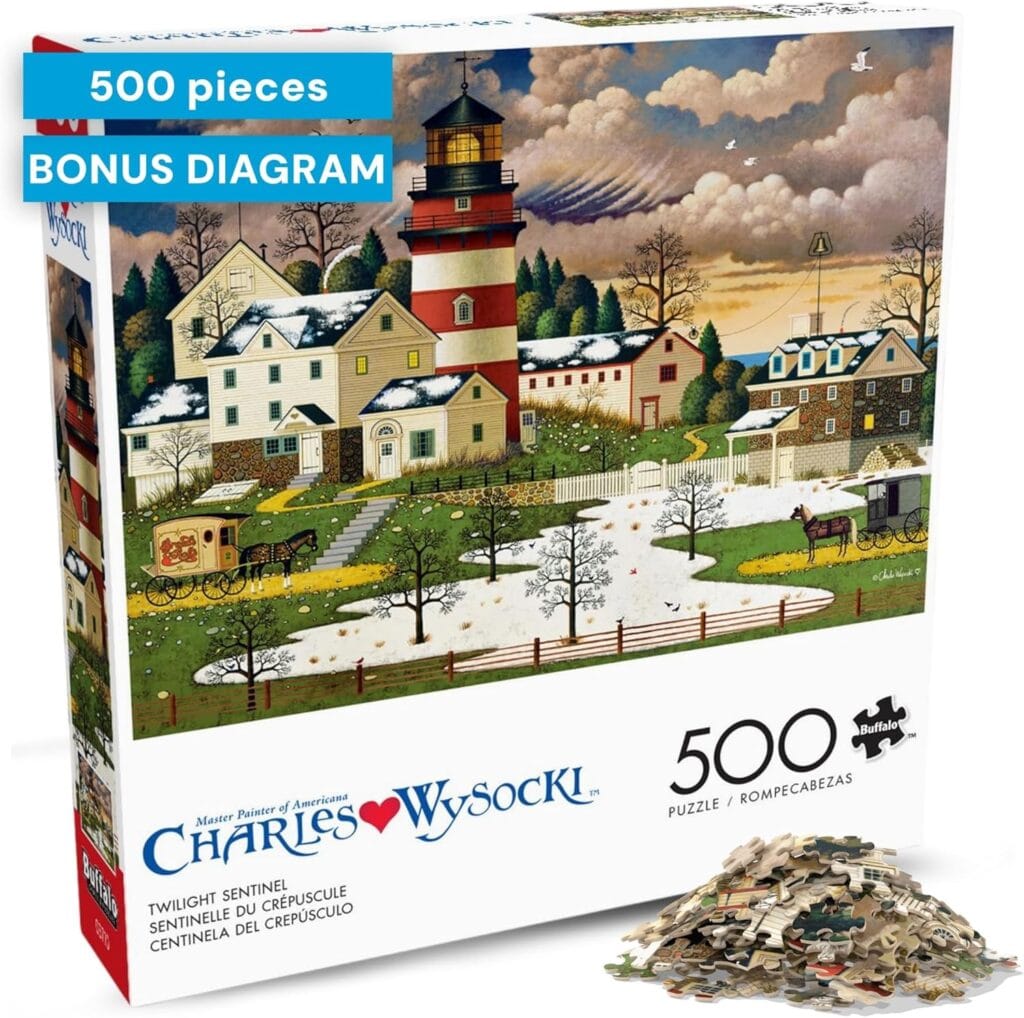
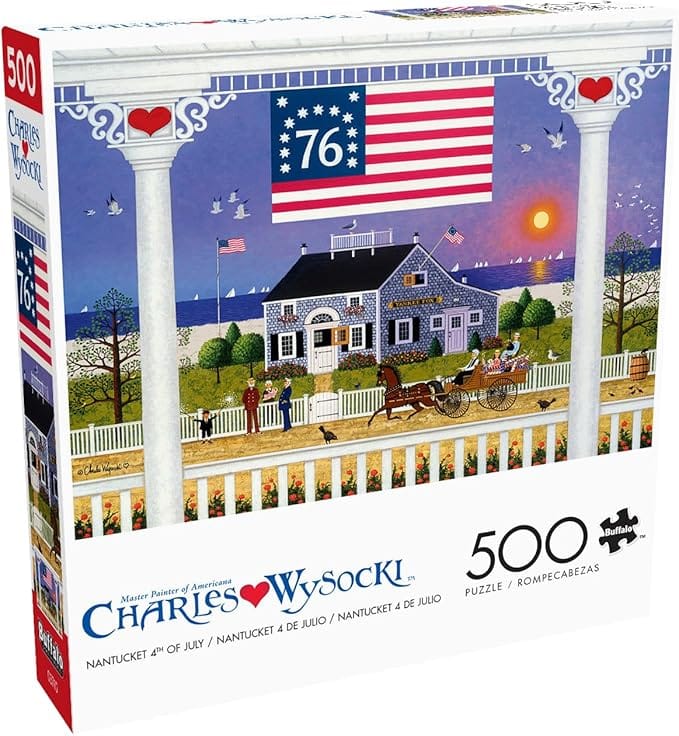
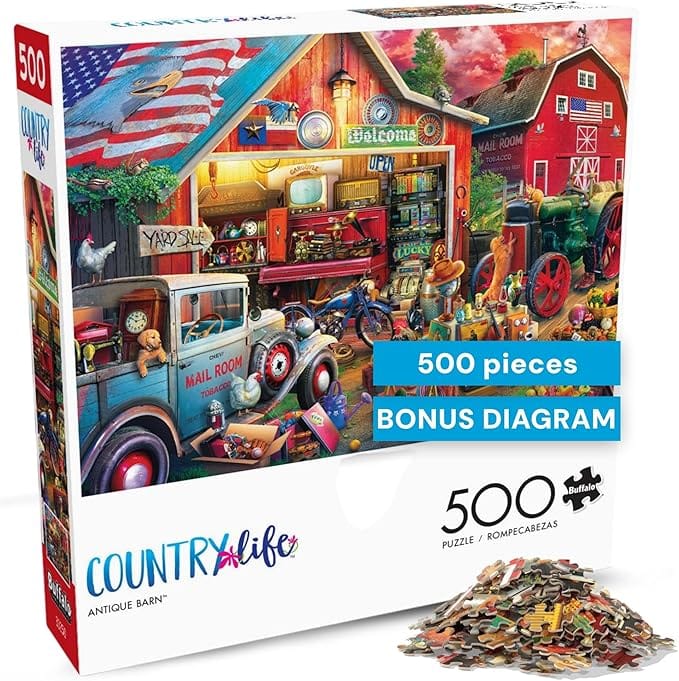
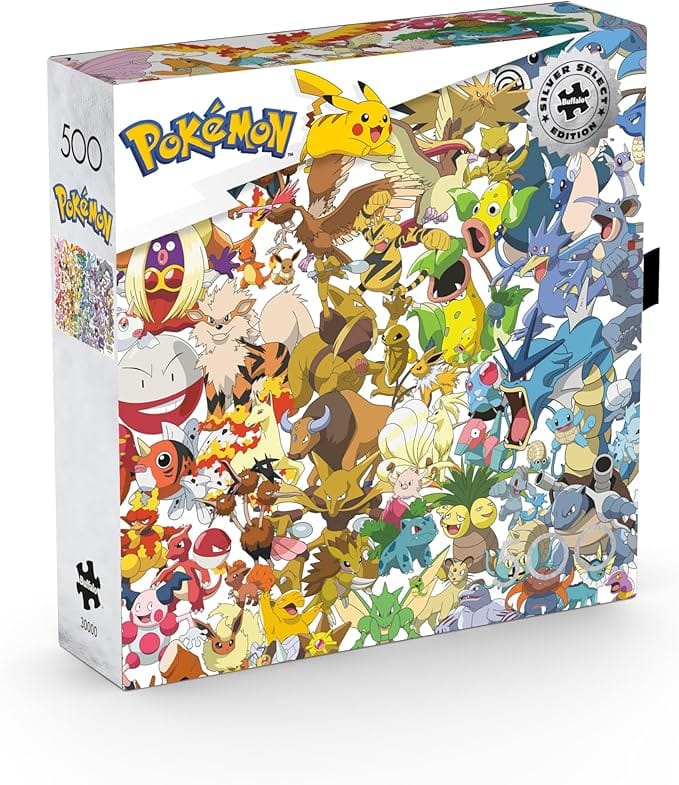
Buffalo Games is one of the more widely available puzzle brands in the US, and for good reason — they make a reliable, affordable product that usually delivers on its basic promise. Their 500-piece puzzles are built on 100% recycled paperboard and use what they call “Perfect Snap” technology, which in practice means the pieces fit together with a reasonably satisfying click and hold their shape well once placed. Each box includes a full-color bonus poster of the image, which is a small but genuinely useful touch, especially for puzzles with busy or detailed artwork. The image library leans heavily into Americana nostalgia, licensed themes (Star Wars, Marvel), and the work of artists like Charles Wysocki. The finished size of most 500-piece Buffalo Games puzzles is around 21.25″ × 15″ — on the smaller side for the piece count, which makes each piece proportionally larger and generally a bit easier to handle. The downside is that experienced puzzlers can sometimes find the fit slightly loose, and the thinner board stock doesn’t quite match premium brands. For casual evenings or as a gift for someone who puzzles occasionally, though, Buffalo Games is a dependable and cost-effective starting point.
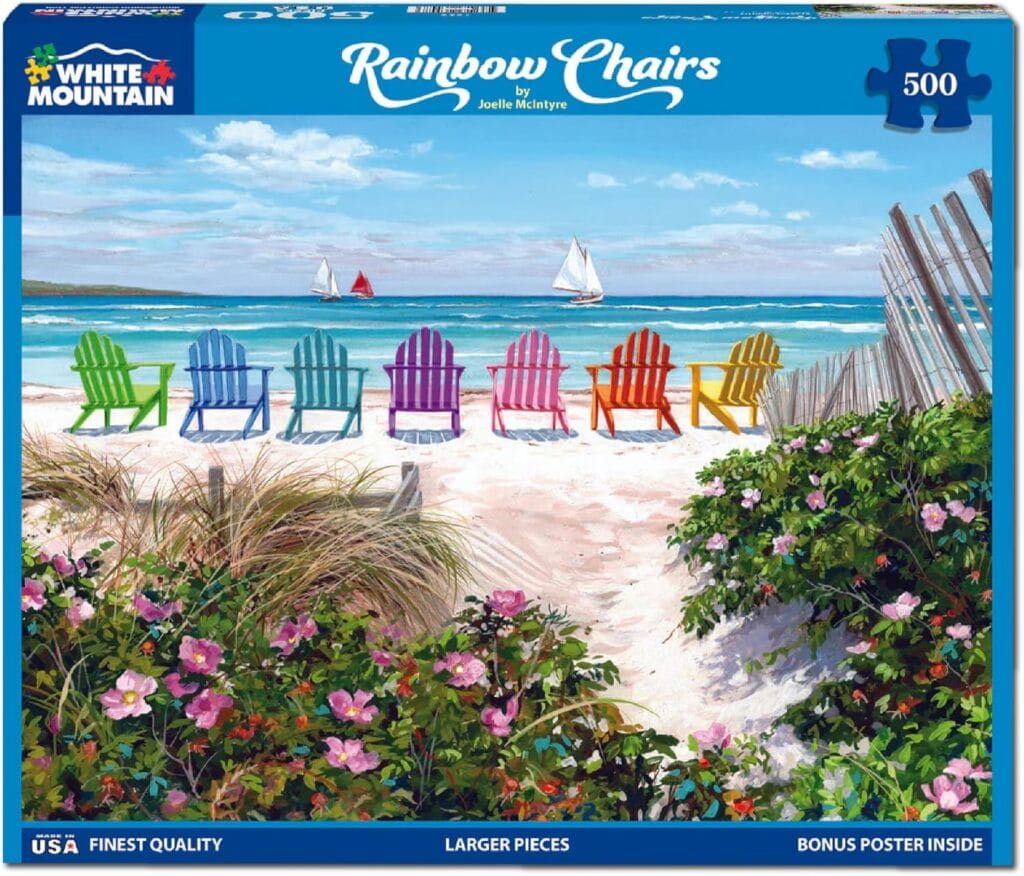
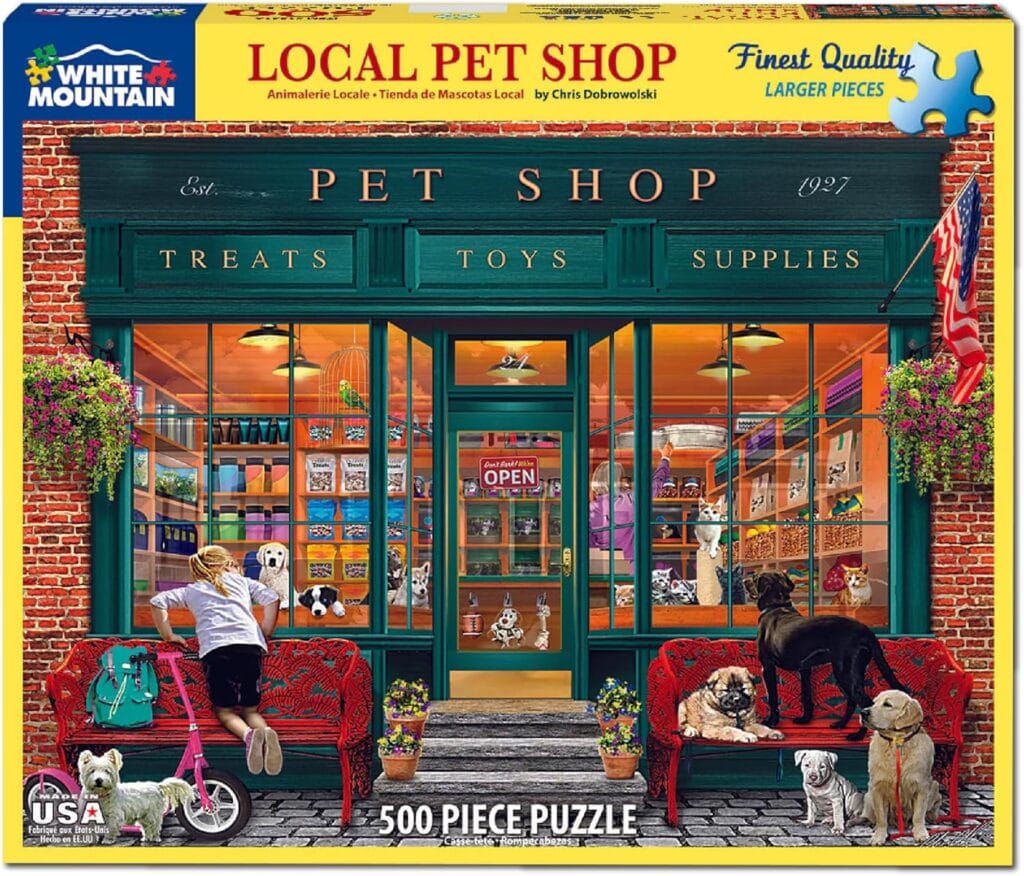
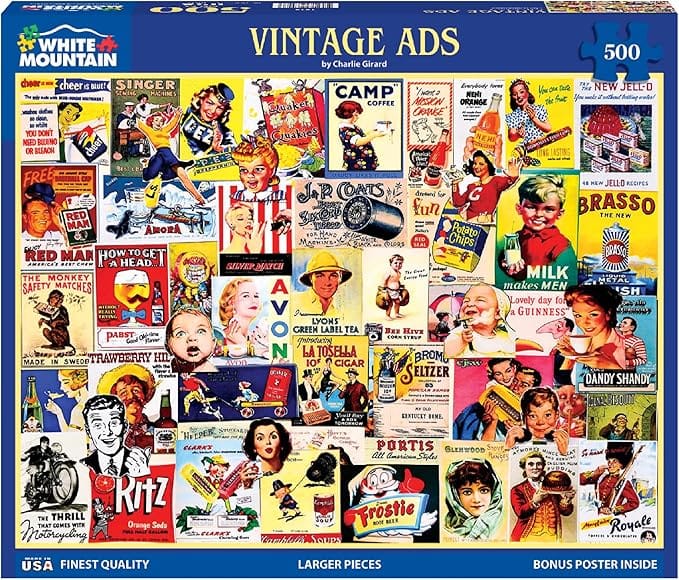
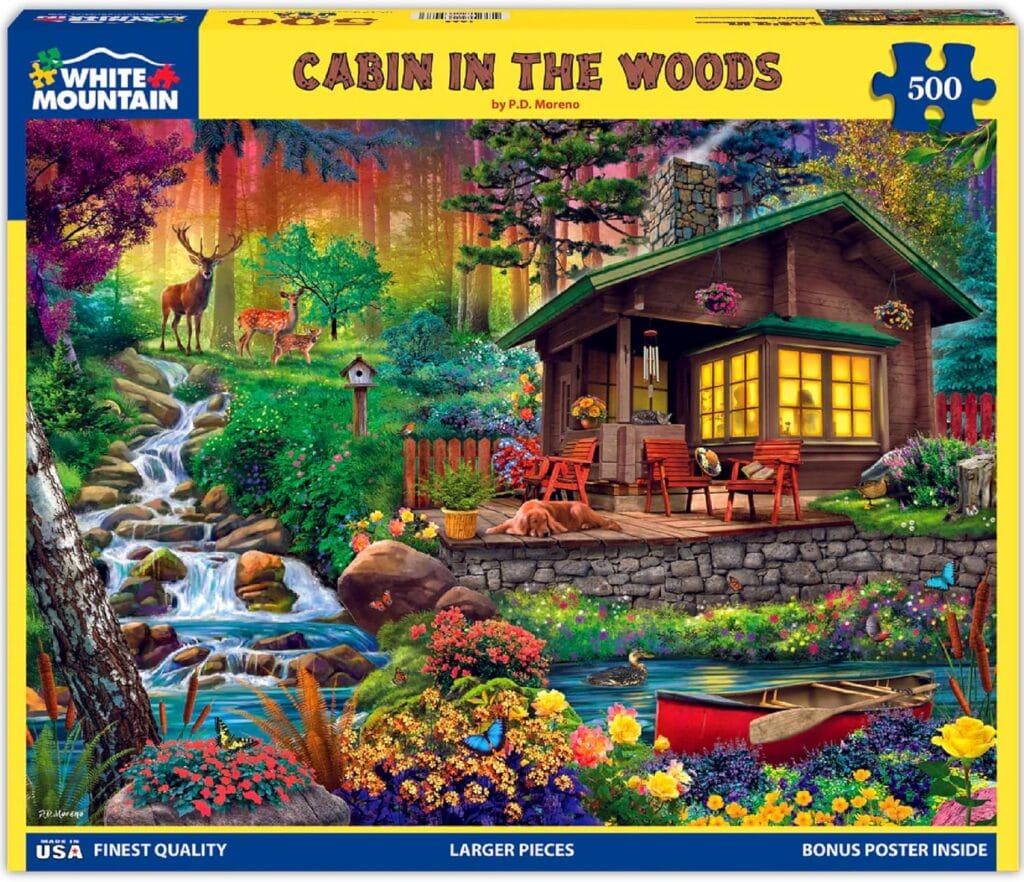
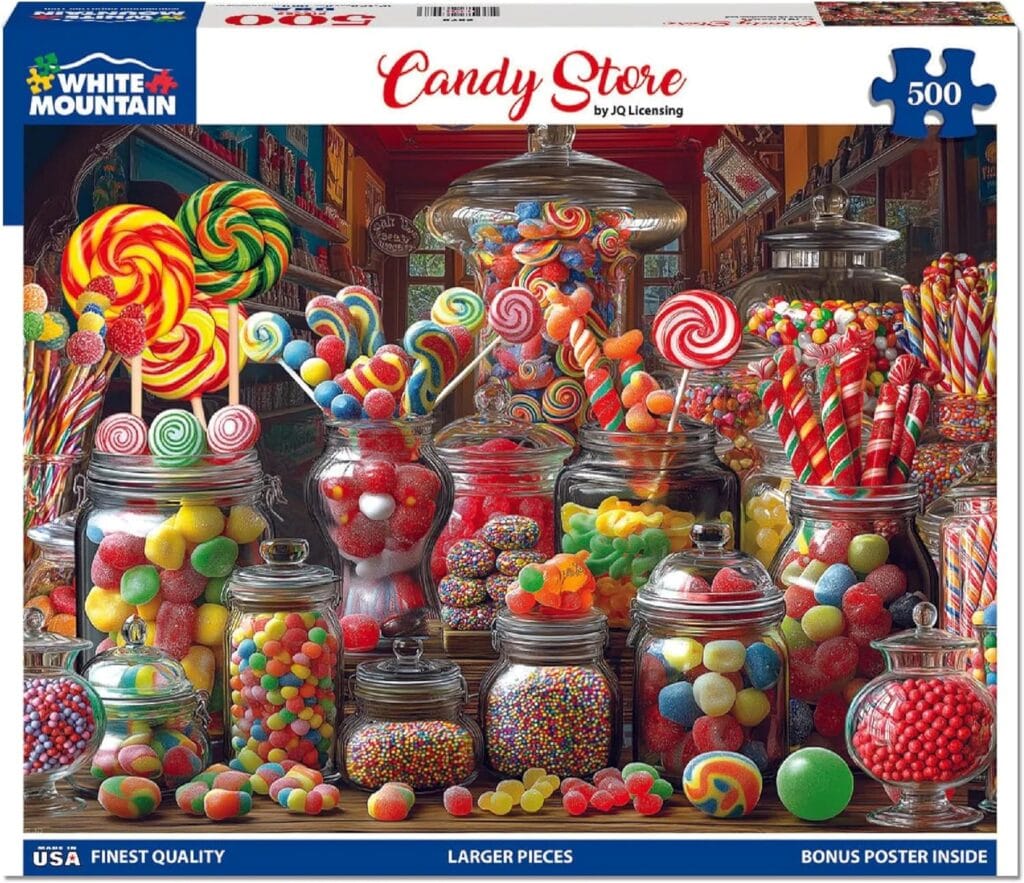
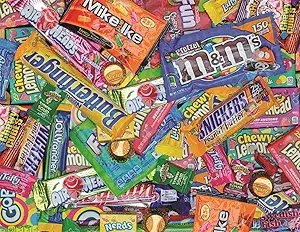
White Mountain tends to appeal to a specific kind of puzzler: someone who enjoys scenes packed with detail, usually nostalgic or Americana-flavored imagery. Their puzzles are well known for busy, “where’s Waldo”-style compositions — old general stores, bustling state fairs, cluttered kitchen scenes — where finding and placing individual pieces requires genuine visual attention. We found this makes for an engaging, almost meditative experience if you’re in the right headspace, but it can also be mentally taxing if you sit down expecting something gentle. The piece quality is solid, and the artwork is consistently cheerful without feeling saccharine. White Mountain puzzles are manufactured in the USA, which resonates with some buyers. The pieces tend to be on the thicker side, and the print quality is generally sharp. The main limitation is thematic: the catalog is fairly narrow. If you’re not drawn to vintage Americana, candy shop imagery, or classic Americana holiday scenes, there isn’t much here that will pull you in. But for that specific audience, White Mountain usually delivers exactly what it promises.
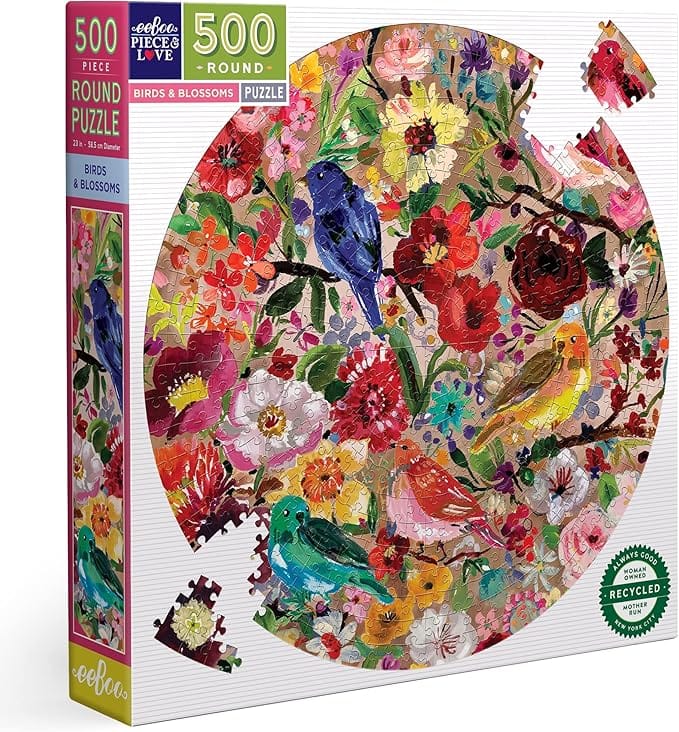
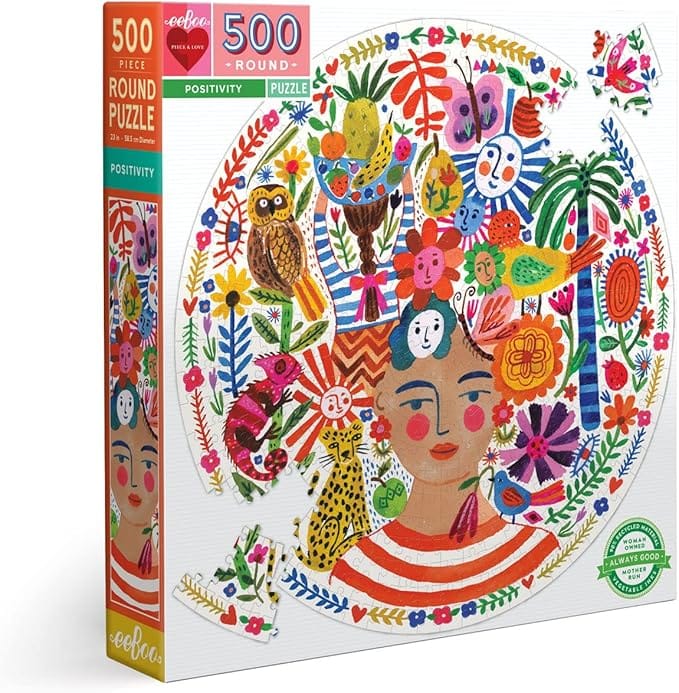
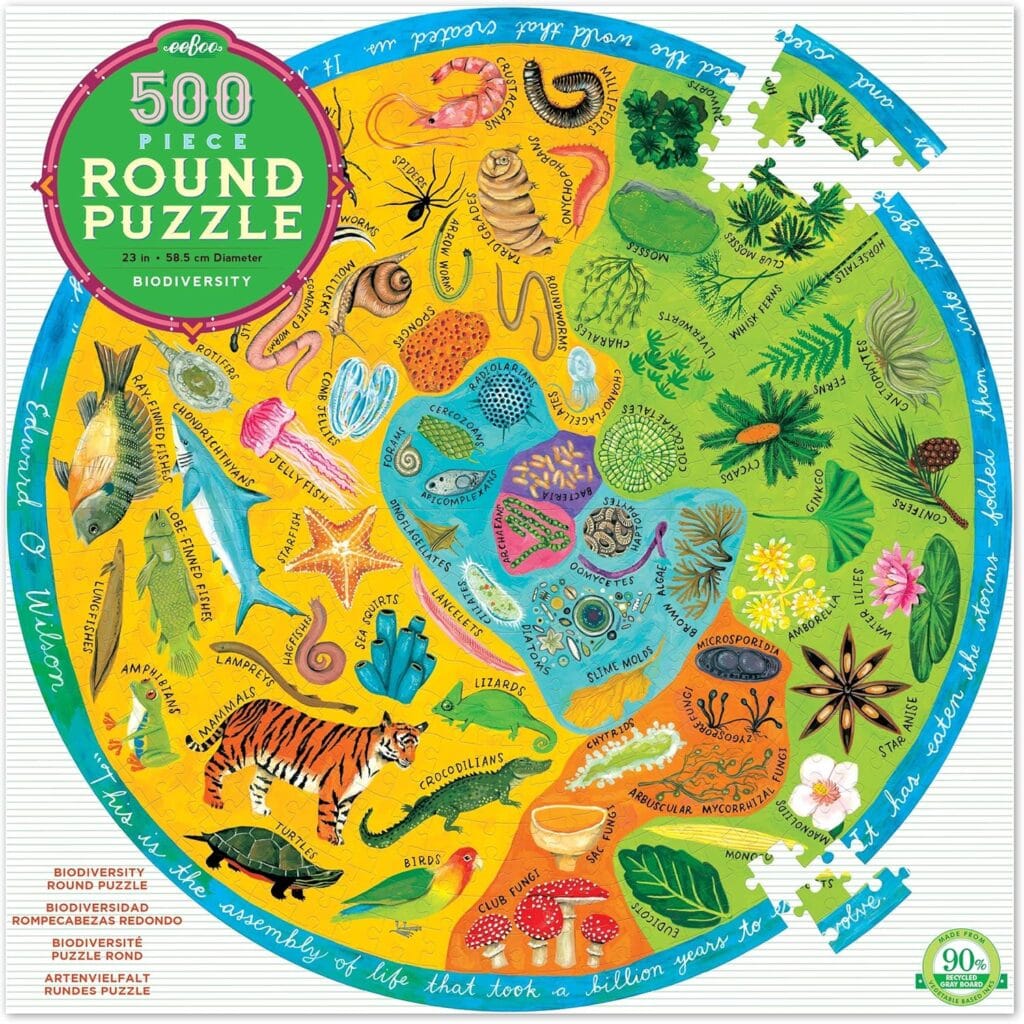
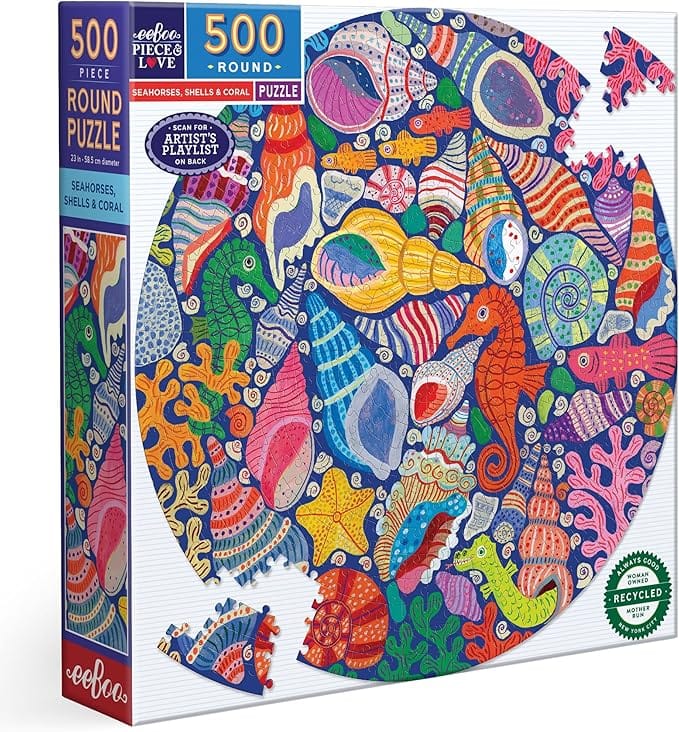
eeBoo occupies a distinctive niche in the puzzle market — the brand sits at the intersection of thoughtful illustration and progressive values, with a product line that often features artwork by independent illustrators and imagery that leans toward nature, art history, and cultural diversity. Their 500-piece puzzles are made in the USA from recycled materials and use a linen finish that makes colors look warm and muted in a way that feels intentional rather than flat. We found the piece quality to be reliably good: the cuts are precise, and the fit is snug without being stiff. The main appeal here is the artwork itself. eeBoo collaborates with illustrators whose work you won’t find on other puzzle brands, which means the finished product often feels more like a piece of art than a standard hobby item. That said, the image selection is more limited than mass-market brands, and the style — often folk art or illustrative rather than photographic — won’t be to everyone’s taste. For buyers who prioritize distinctive art and sustainability credentials, eeBoo is worth a close look.
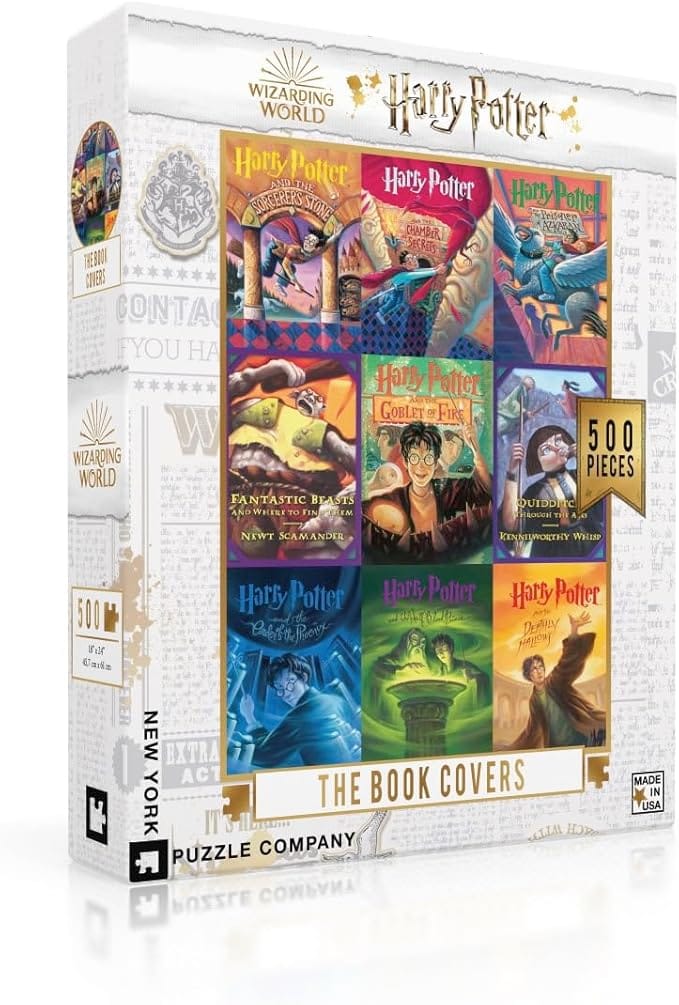
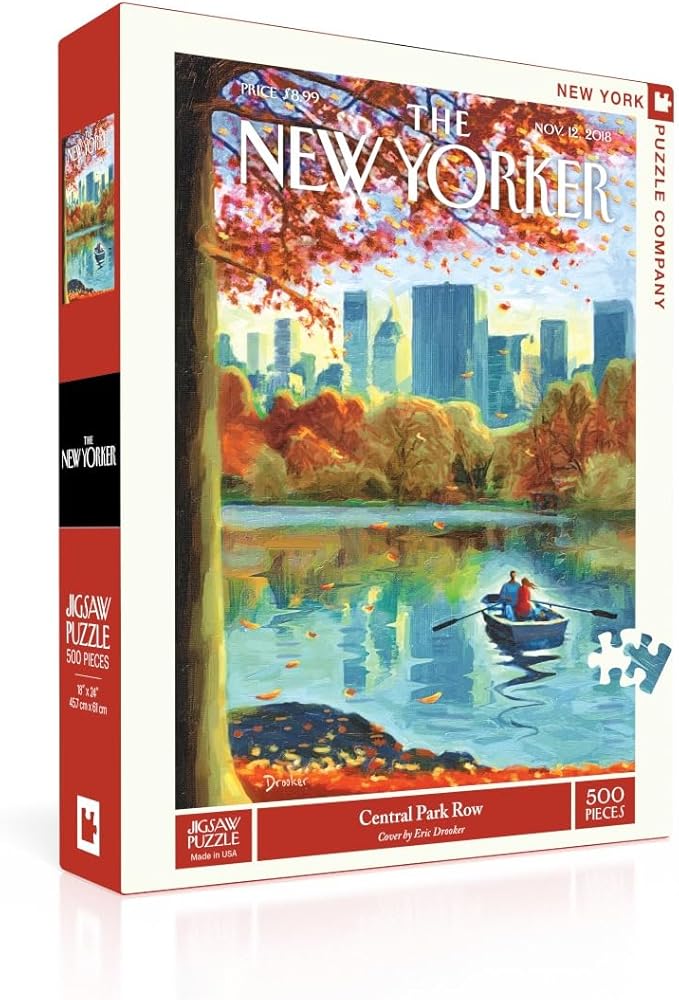
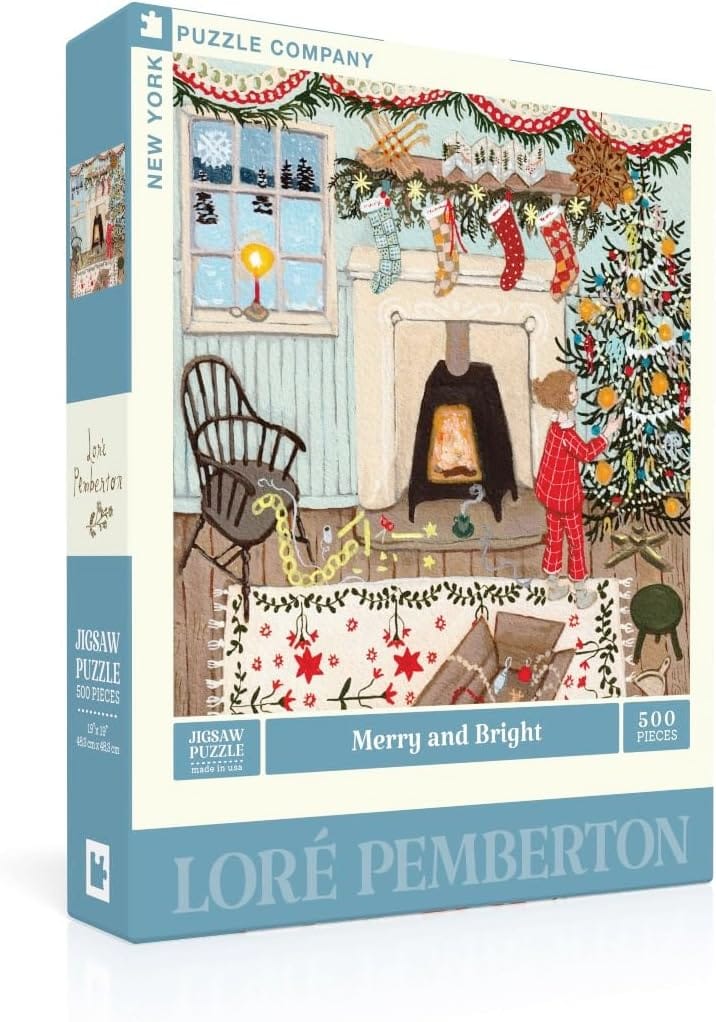
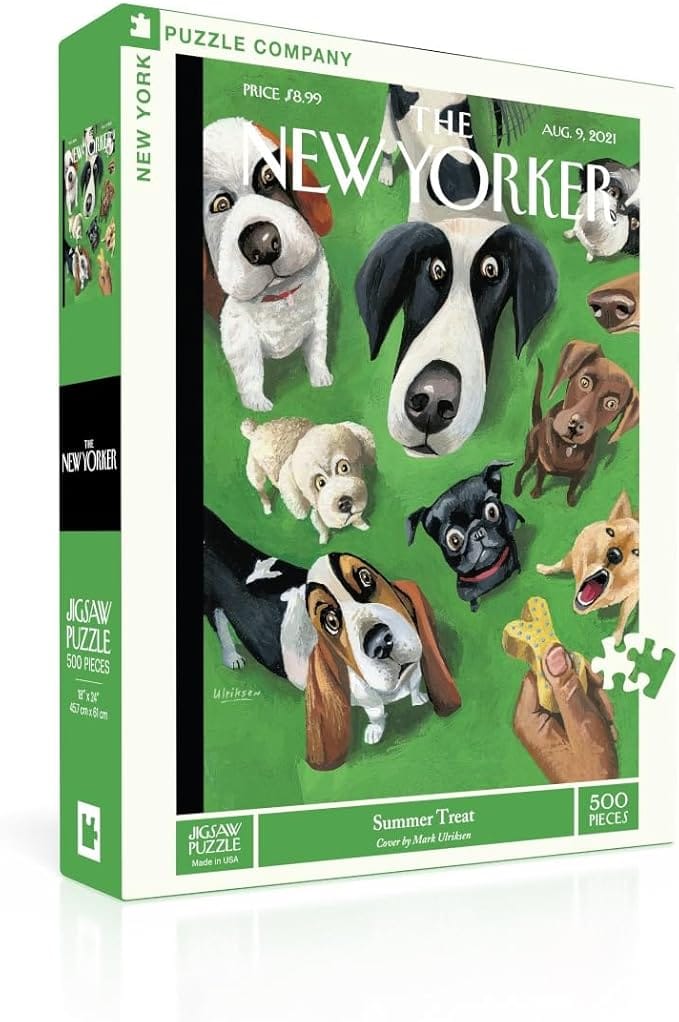
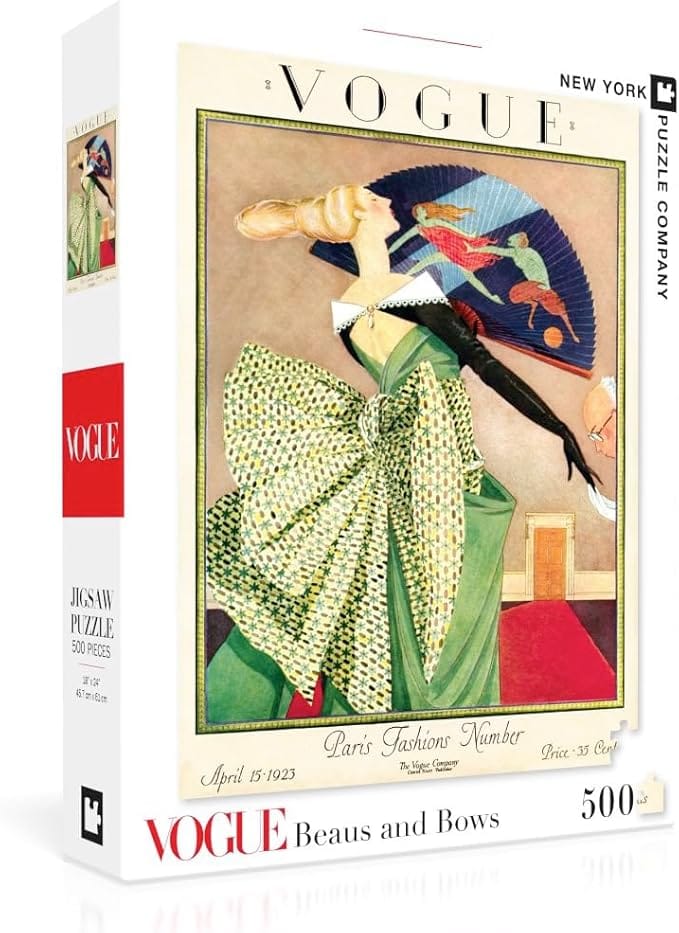
New York Puzzle Company has carved out a well-defined identity: they license iconic artwork from publications like The New Yorker, Vogue, Condé Nast Traveler, and Smithsonian Magazine, turning covers and editorial illustrations into puzzles that carry a certain cultural cachet. Their 500-piece format uses larger pieces than their 1,000-piece equivalents, which makes them accessible without feeling like a beginner product. All puzzles are manufactured in the USA from 100% recycled chipboard, and the surface uses a linen finish that cuts down on glare significantly — a practical detail that adds up over a long session. We found the piece fit to be dependable and the print clarity excellent, particularly on the more graphically bold New Yorker covers. The challenge level tends to be moderate: the images are often colorful enough that there’s always a clue to work with, but the detailed compositional artwork can still keep you searching. The limitation is that the catalog is fairly niche — if you’re not drawn to mid-century magazine illustration or editorial art, it might not be the right fit. But as a gift for someone with a cultural or artistic bent, it’s a strong choice.


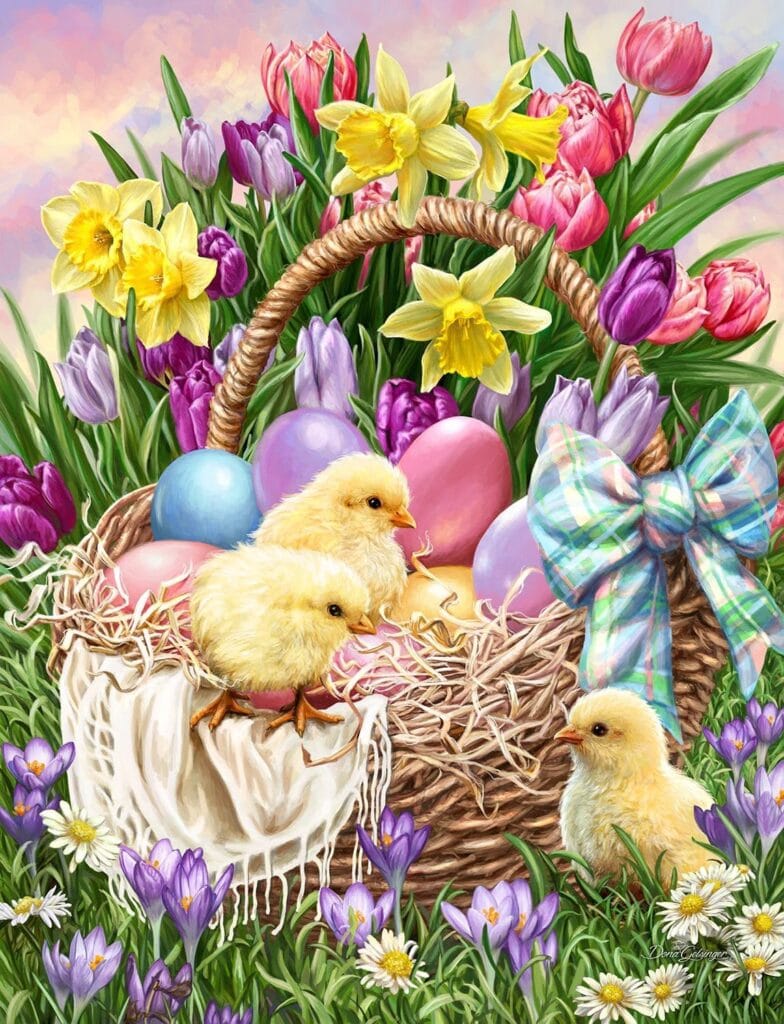
Springbok has a long history — the brand has been making puzzles in the USA since 1963 — and they’ve maintained a reputation for quirky, unusual images that you won’t easily find from other makers. Their pieces are distinctively shaped: rather than the standard grid-cut tabs and blanks, Springbok uses random, irregular cuts where no two pieces share the same shape. This sounds like a small detail, but in practice, it changes the entire solving experience. You can’t rely on shape alone to narrow possibilities; you have to think harder about color and content. The finished size of Springbok’s standard 500-piece puzzle is approximately 18″ × 24″, which is on the larger side for this piece count, meaning the pieces themselves are more generously sized and easy to handle. Materials are eco-conscious: recycled board and non-toxic soy-based inks. The trade-off is that the image library, while charming and unusual, can feel dated to some eyes — the aesthetic leans retro, and not always deliberately or ironically. For puzzlers who want something different from the usual landscape or nature scene, Springbok’s unique cut style makes it worth trying at least once.
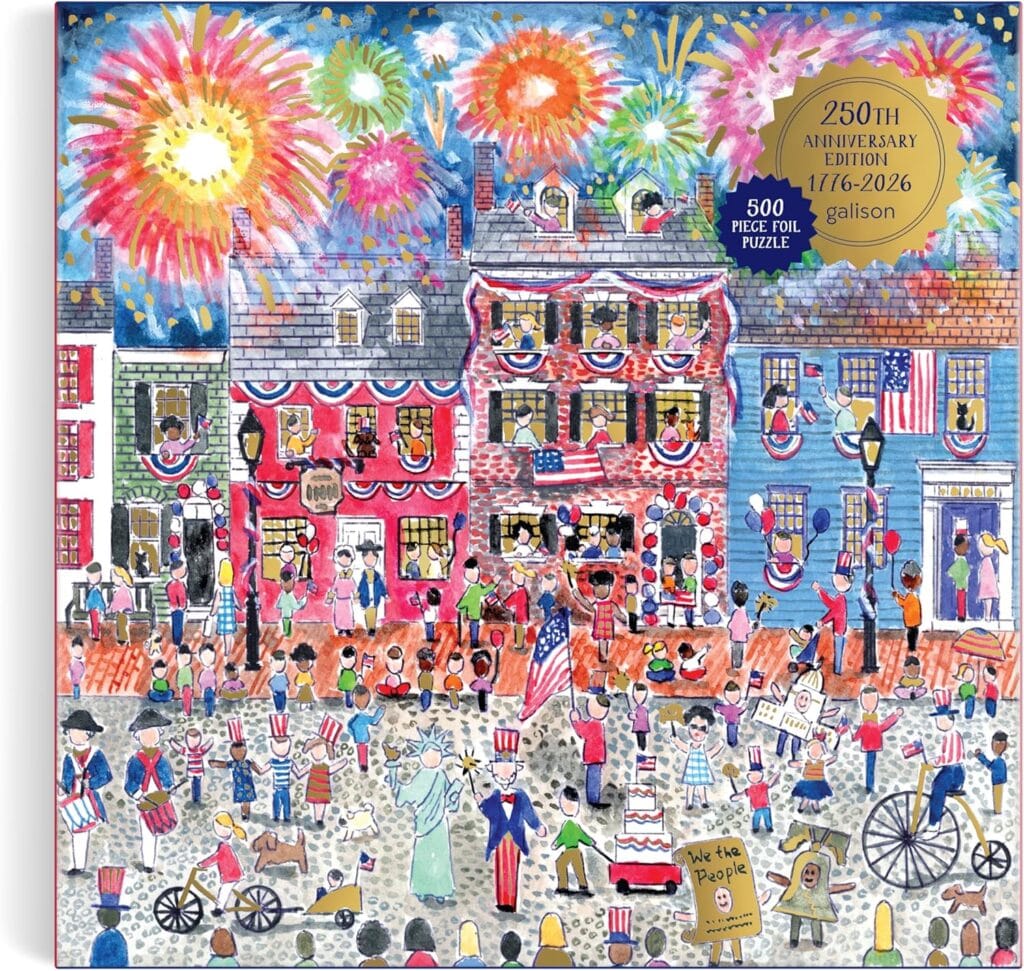
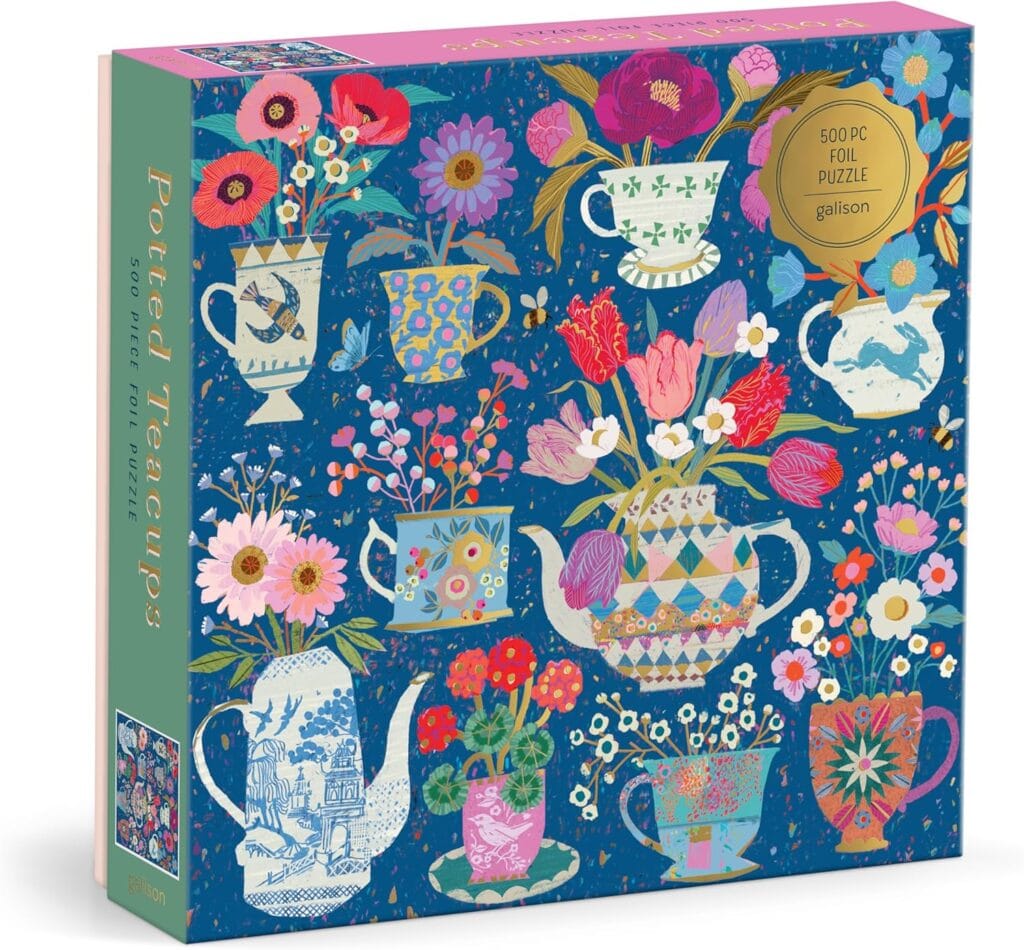
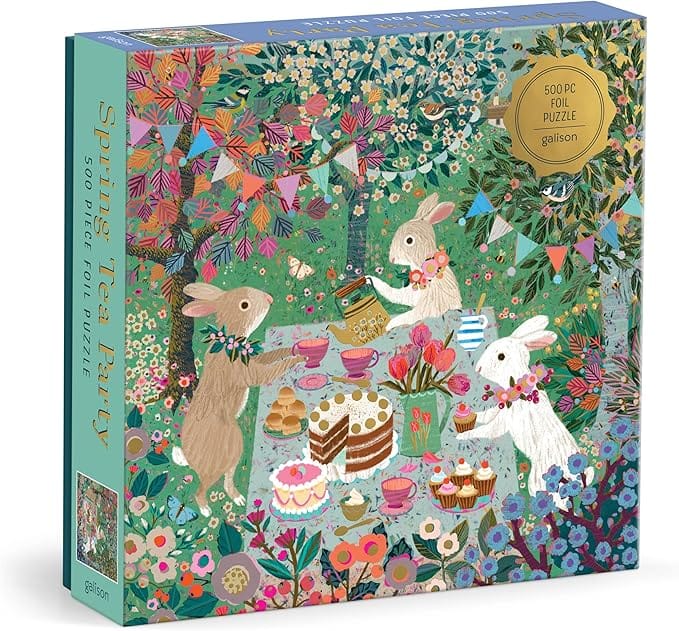
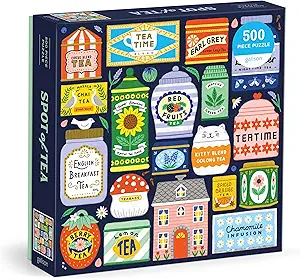
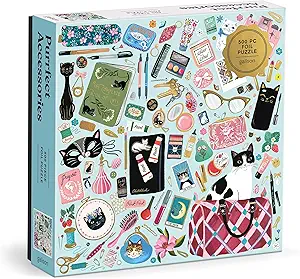
Galison has been working with museums and artists since 1979, and their puzzle line reflects that heritage. The brand collaborates with artists including Michael Storrings, Joy Laforme, and Gray Malin, as well as institutions like the Metropolitan Museum of Art, producing puzzles where the visual quality is clearly the priority. The 500-piece format is one of their most popular, and it’s easy to see why — the images are detailed and compositionally interesting enough to sustain engagement, while the piece count stays manageable for an evening session. Their Gray Malin double-sided beach puzzle is a particular standout: two different aerial beach photography scenes, one on each side, which adds a layer of challenge that’s unusual in the category. We found the overall piece quality good, with a matte surface and reliable fit. The main consideration is that Galison puzzles are priced toward the premium end, and the artistic style — often soft, painterly, or graphically stylized — may not appeal to everyone. If you value aesthetics and are looking for a puzzle that makes an attractive gift or that you might frame after completing, Galison tends to deliver.
Who Should Think Twice About 500 Pieces
Not every puzzler is a good fit for this format, and it’s worth being honest about that. If you’re a seasoned puzzler who regularly works through 1,000– or 2,000-piece puzzles, 500 pieces may feel underwhelming — the challenge isn’t gone, but it can feel like a warm-up more than a main event. Conversely, if you’re completely new to puzzles or picking one up for a child under ten, 500 pieces might be more pieces than it sounds: complex images can create sprawling, disorganized sessions that feel more stressful than fun.
For occasional puzzlers, people returning to the hobby, families with mixed age groups, or anyone who wants a project that can realistically be finished in one evening, 500 pieces is usually the right call.
Common Mistakes Worth Avoiding
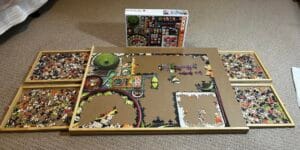
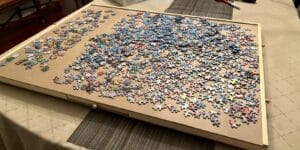
Underestimating the table space you need. A finished 500-piece puzzle can run 18 to 24 inches across, and you need room to sort and work around it. Many people underestimate this and end up cramped.
Ignoring image complexity. A puzzle described as “relaxing” with a uniform sky or snowy landscape can be genuinely difficult because there’s little visual variety to guide placement. If you’re new to puzzles or want a calm experience, look for images with multiple distinct areas of color and detail.
Storing unfinished puzzles face down. If you need to pause mid-build, slide a piece of cardboard under the puzzle before flipping it rather than sliding it to the side, which almost always scatters pieces.
Buying on image alone. A beautiful image on a mediocre puzzle is a frustrating experience. Piece quality, print clarity, and fit matter at least as much as the picture.
A Few More Things Worth Knowing
Framing after completion: If you plan to frame a finished puzzle, check the dimensions before you buy — finished sizes vary meaningfully between brands. Most craft and hobby stores carry standard puzzle frame sizes, but not all brands will match off-the-shelf frames without trimming.
Puzzle glue: If you want to preserve a finished puzzle, specialty puzzle glue (sometimes called puzzle saver) works well. Apply it evenly to the front surface, let it dry completely, and you can mount or hang it. It works for most paper-based puzzles, though the results are more reliable on flat, matte surfaces.
Storage between sessions: Resealable bags or flat zippered pouches work better than the original box for mid-session storage, especially if the box is already damaged. Sorting pieces by color or edge type before storing makes the next session considerably easier.