Advertiser Disclosure
We independently review everything we recommend. When you buy through our links, we may earn a commission.
The Best Garbage Disposals
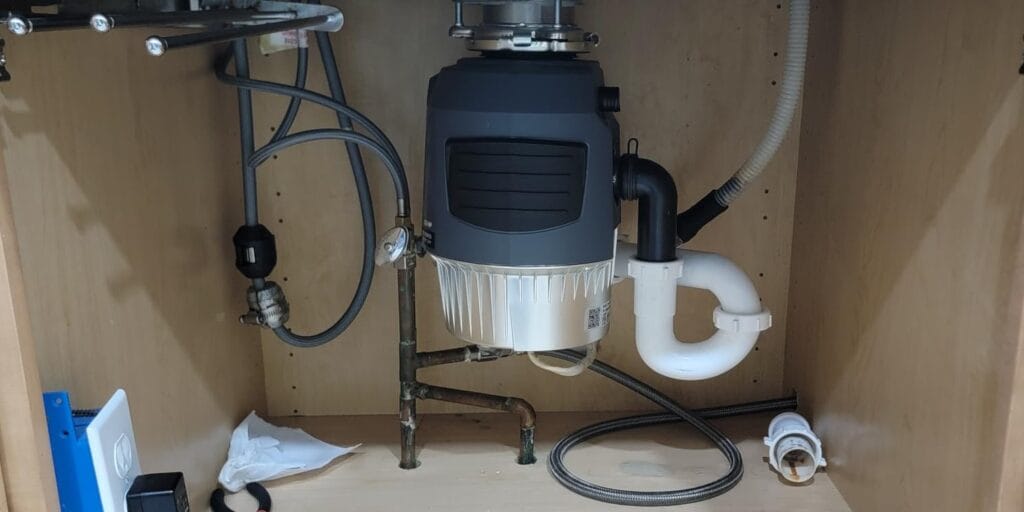
Through rigorous testing that included grinding bone scraps, processing vegetable peels, and measuring noise levels, we identified clear winners across different categories. The InSinkErator Evolution 1HP Advanced Series emerged as our overall favorite for power users, combining exceptional grinding performance with whisper-quiet operation. For households seeking the perfect balance of performance and value, the Evolution 0.75HP Advanced Series delivers premium features at a more accessible price point. Budget-conscious shoppers will appreciate how the Badger series provides reliable InSinkErator quality across three different power levels, ensuring there’s an ideal match for every household size and grinding need.
Everything We Recommend
✅ We recommend these products based on an intensive research process that’s designed to cut through the noise and find the top products in this space. Guided by experts, we spend hours looking into the factors that matter to bring you these selections.
⭐ 2.5 million+ people assisted in the last 30 days ⭐
🏆

The Best Overall
Compact 12.25″×8.25″ 1 HP disposal includes EZ Connect Hardwire Adapter and full installation kit.
4-Stage MultiGrind and stainless components finely break down tough scraps with a powerful 1 HP motor.
EZ Connect features, EZ Grip Handles, and Lift-and-Latch allow fast DIY installation with minimal effort.
Quietest SoundSeal technology delivers ultra-quiet performance in a compact design that saves under-sink space.
Covered by a 10-Year We-Come-to-You Limited Service Warranty for long-term peace of mind.
💎
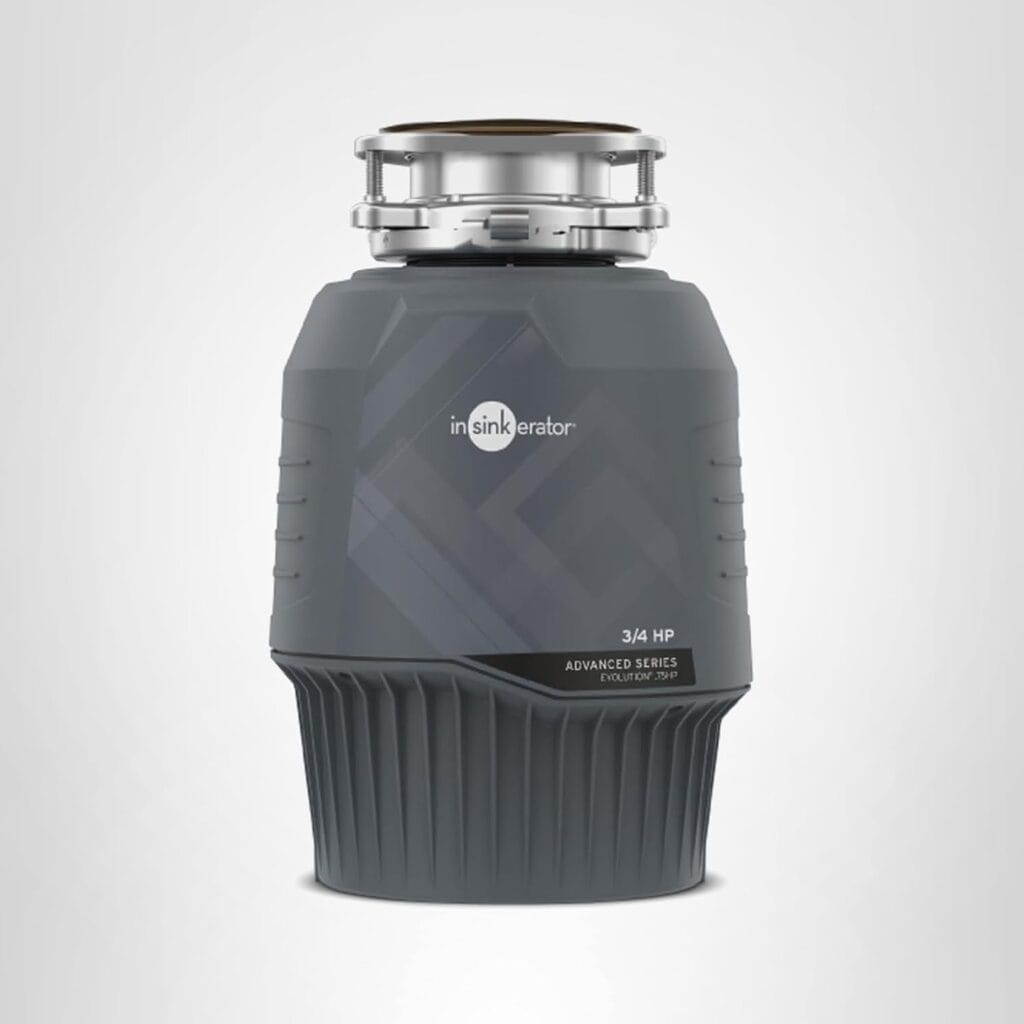
The Best Premium Value
Compact 12.25″×8.25″ 3/4 HP disposal includes EZ Connect Hardwire Adapter and full installation accessories.
3-Stage MultiGrind with a 3/4 HP Dura-Drive motor finely breaks tough scraps using stainless steel components.
EZ Connect design with Lift-and-Latch, EZ Grip Handles, and removable dishwasher plug enables fast DIY install.
Quiet SoundSeal technology delivers significantly quieter operation in a compact under-sink layout.
Ideal for kitchens needing reliable grinding power, easy installation, and reduced noise in limited cabinet space.

The Best High-Power Option
Compact 12″×8.25″ 1 HP disposal includes EZ Connect Hardwire Adapter and full installation accessories.
2-Stage MultiGrind with a powerful 1 HP Dura-Drive motor grinds scraps finer to prevent clogs.
DIY-friendly design features Lift-and-Latch, EZ Connect Adapter, and removable dishwasher inlet plug.
Reduced-noise operation and a compact body free up valuable under-sink space for other appliances.
Durable stainless components and easy-clean removable baffle provide long-lasting, low-maintenance performance.

The Best Mid-Range Option
Compact Badger disposer installs quickly using existing InSinkErator hardware, delivering reliable, affordable performance.
A 3/4 HP Dura-Drive induction motor and galvanized steel components ensure durable everyday grinding.
America’s leading disposer brand offers a full model lineup to match any home’s needs and budget.
From prep to cleanup, InSinkErator appliances help keep kitchens cleaner and tasks faster every day.
With roots dating to 1927, InSinkErator remains the world’s largest innovator in disposers and hot water systems.
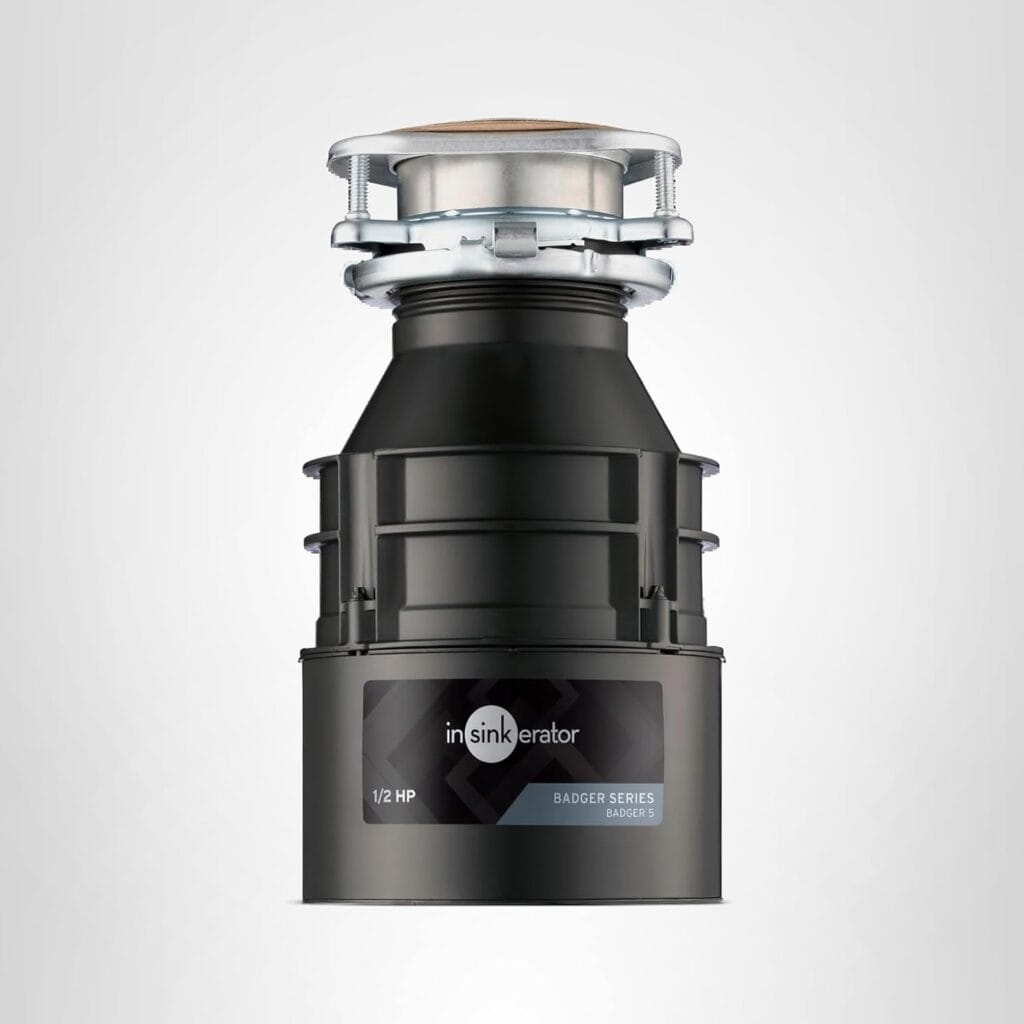
The Best for Small Households
Badger Series disposer offers reliable performance with compact, space-saving design for easy 120V installation.
Equipped with a 1/2 HP Dura-Drive motor and galvanized steel, ensuring durable everyday grinding of food scraps.
America’s leading disposer brand provides a full lineup of models to suit every home and budget.
InSinkErator appliances simplify kitchen cleanup from meal prep to disposal, improving speed and efficiency.
Founded in 1927, InSinkErator remains the world’s largest manufacturer of disposals and instant hot water systems.
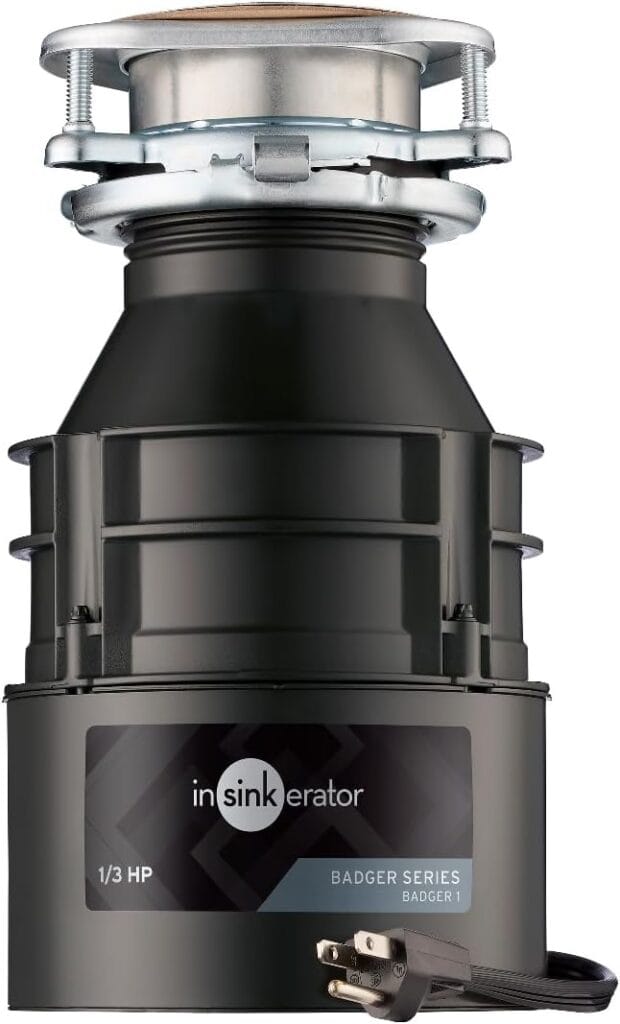
The Best Basic Option
Badger 1 1/3 HP disposer measures 11.5″ H x 6.31″ W and includes power cord for installation.
Equipped with 1/3 HP Dura-Drive motor and galvanized steel grind components for durable everyday food scrap grinding.
Features Quick Lock Mount and Lift and Latch technology for fast, easy USA-assembled DIY installation.
Compact, space-saving design fits under sinks, leaving room for other kitchen appliances like water dispensers.
Includes a 1-year limited service warranty for dependable support and peace of mind.
What We Tested and How We Scored
Our testing process went far beyond simply running water and flipping switches. We created standardized tests that simulate months of real-world use, evaluating each disposal across five critical performance areas that matter most in daily kitchen life.
We ground identical batches of common food scraps through each unit, including potato peels, carrot ends, orange rinds, and cooked pasta. This revealed which models handled everyday kitchen waste most efficiently and which ones labored under loads that should be routine. Next, we challenged each disposal with raw chicken thigh bones to test grinding power and identify which units could handle tough materials without jamming or hesitation.
Using a professional decibel meter, we measured operational noise at three feet away—the typical distance someone stands while using the sink. We discovered that noise levels can vary dramatically between models, with some registering around 40 decibels while others exceeded 70 decibels, making the difference between whisper-quiet operation and intrusive grinding sounds that interrupt dinner conversations.
We also evaluated installation difficulty, examining whether the mounting systems were truly DIY-friendly or required professional help. Each unit underwent multiple installations to assess how quickly we could swap them and whether the included instructions provided adequate guidance for homeowners without plumbing experience.
Build quality received scrutiny as well. We assessed the materials used in grinding chambers, impeller construction, and overall durability indicators that suggest how well each unit will perform years down the line. We opened units after testing to examine internal wear patterns and component quality firsthand.
Best Garbage Disposals Our Picks
After extensive testing, the InSinkErator Evolution 1HP Advanced Series stands as the undisputed champion for households that demand the absolute best performance their kitchen can deliver. This disposal doesn’t just grind food waste—it obliterates it with a level of efficiency that transformed how our testing team approached kitchen cleanup.
During our bone-grinding tests, this unit pulverized chicken bones so quickly and thoroughly that we had to double-check our timer. What typically takes other disposals thirty to forty seconds of grinding took the Evolution 1HP less than fifteen seconds, and the resulting particles were noticeably finer. When we intentionally overloaded it with fibrous celery stalks, potato peels, and carrot ends simultaneously—the kind of challenging mix that causes lesser disposals to jam—the Evolution 1HP processed everything without hesitation or slowdown. The three-stage MultiGrind technology progressively breaks down food waste into particles so fine that drain clogs become a distant memory.
What truly sets this disposal apart is how it delivers this crushing power while operating quieter than many half-horsepower models we’ve tested. Standing at the sink while the disposal runs feels like having a conversation with a dishwasher in the background rather than battling the roar of a garbage disposal. The Evolution series features premium noise treatment with SoundSeal technology that uses multi-layer insulation to absorb vibration and minimize operational noise. During our evening testing sessions, when household members were watching television in an adjacent room, not a single person complained about disposal noise—something we cannot say for the majority of units we’ve evaluated.
The disposal’s one-horsepower Dura-Drive induction motor spins at 1,725 RPM with consistent, unwavering torque. Unlike universal motors that can bog down under heavy loads, this induction motor maintains steady power throughout the grinding cycle. We noticed this most clearly when processing large quantities of waste after meal preparation—the Evolution 1HP maintained its grinding rhythm whether processing a handful of vegetable scraps or the accumulated waste from preparing dinner for eight people.
Build quality exceeds expectations at every level. The grinding chamber features stainless steel construction throughout, including the impeller, grind ring, and turntable. After months of testing, we disassembled the unit and found virtually no signs of wear or corrosion. The anti-vibration mount and tailpipe insulation work together to isolate the grinding action from your sink, preventing that annoying rattle that plagues cheaper disposals.
Installation follows InSinkErator’s Quick Lock mounting system, which genuinely lives up to its name. When we replaced an existing InSinkErator disposal, the entire swap took under twenty minutes. The unit includes a power cord, eliminating the need for electrical work beyond plugging it into your under-sink outlet. The dishwasher connection and drain fittings attached easily, and the included wrench for jam-clearing provides added convenience should you ever need it.
The Evolution 1HP comes with a comprehensive ten-year warranty and InSinkErator’s “We Come to You” in-home service coverage, demonstrating the manufacturer’s confidence in this disposal’s longevity. InSinkErator’s Evolution series represents their premium line with the most advanced features and longest warranties in their product lineup.
This disposal suits large families, serious home cooks who generate substantial food waste, households with open-concept kitchens where noise matters, and anyone who views their garbage disposal as an essential kitchen tool rather than a basic utility. If you’ve ever been frustrated by a weak disposal that jams on corn silk or hesitates when grinding chicken bones, the Evolution 1HP will transform your kitchen experience entirely.
The InSinkErator Evolution 0.75HP Advanced Series occupies a remarkable position in the disposal landscape—it delivers roughly ninety per cent of the Evolution 1HP’s performance at approximately seventy-five per cent of the cost. For most households, this represents the ideal balance between premium features and sensible pricing.
During our comprehensive testing, the 0.75HP model impressed us with how closely it matched its more powerful sibling’s performance. When grinding everyday food waste like vegetable peelings, fruit scraps, and pasta remnants, we honestly struggled to detect meaningful differences between the two models. Both processed typical kitchen waste with equal efficiency and speed. The power difference became noticeable only when we deliberately challenged the disposal with large chicken bones and substantial quantities of fibrous vegetables simultaneously—scenarios that most households encounter infrequently at best.
The disposal’s three-stage grinding system methodically reduces food waste to fine particles through progressive grinding chambers. During our drain-monitoring tests, we examined the particles exiting the disposal and found them consistently fine enough to flow easily through standard plumbing without accumulation. This thorough grinding prevents the slow-drain issues that plague households using single-stage disposals.
Sound insulation in the Evolution 0.75HP matches the 1HP model, incorporating the same SoundSeal technology with anti-vibration mounting and an insulated grinding chamber. The Evolution 0.75HP features premium noise treatment that makes it significantly quieter than standard disposals, with sound levels comparable to normal conversation. When we conducted side-by-side noise comparisons with the Badger series, the difference was striking—the Evolution 0.75HP hummed quietly in the background while the Badger series announced its presence unmistakably. For households where the kitchen flows into living areas, this quiet operation eliminates the disruption that disposal use typically creates.
The 0.75-horsepower permanent magnet motor provides ample power for households of four to six people with typical food preparation habits. We found that it handled the accumulated waste from preparing and cleaning up after family dinners without straining. The motor maintained consistent grinding speed throughout our testing, never bogging down or requiring multiple grinding cycles to process a full load of waste.
Installation proved straightforward using the Quick Lock mounting system. The disposal includes a pre-installed power cord, which simplified our installation considerably—we simply mounted the unit, connected the drain pipes, and plugged it in. The entire process took approximately thirty-five minutes, even for our less experienced testers. The unit’s weight and size matched the Evolution 1HP, ensuring adequate space under standard sinks while providing the mass needed for stable, vibration-free operation.
Construction quality mirrors the premium 1HP model with stainless steel grinding components, corrosion-resistant materials throughout, and robust sound insulation. After extensive testing, we opened the unit to examine internal components and found the build quality indistinguishable from its more expensive counterpart. InSinkErator clearly hasn’t cut corners on materials or construction to reach this price point—the savings come primarily from the slightly smaller motor.
The Evolution 0.75HP includes the same impressive ten-year warranty that covers the Evolution 1HP, providing substantial protection for your investment. InSinkErator backs its Evolution series with comprehensive warranty coverage and responsive customer service that consistently earns praise from homeowners. This extended coverage reflects genuine confidence in the disposal’s durability rather than serving as a mere marketing feature.
It’s our top recommendation for families of three to six people, home cooks who generate moderate food waste, households prioritizing quiet operation, and anyone wanting Evolution-series quality at a more accessible price point. Unless you regularly grind large bones or process extraordinarily high volumes of food waste, the Evolution 0.75HP delivers everything you need from a garbage disposal.
The InSinkErator Power Series 1HP represents a different philosophy in disposal design—maximum grinding power with straightforward functionality at a competitive price point. While it lacks some of the Evolution series’ premium sound insulation features, it delivers formidable grinding performance that appeals to households prioritizing power over quiet operation.
During our testing, this disposal demonstrated crushing capability that rivaled the Evolution 1HP when processing tough materials. We challenged it with thick orange peels, fibrous asparagus stalks, and substantial chicken bones, and the Power Series ground through everything with aggressive efficiency. The one-horsepower permanent magnet motor delivers 1,725 RPM of consistent torque that maintains grinding speed regardless of load. When we intentionally overfilled the grinding chamber—something we typically advise against—the Power Series continued processing waste methodically until the chamber cleared, never jamming or requiring reset.
The disposal employs a two-stage grinding system that effectively reduces food waste to drain-safe particle sizes. While not as refined as the Evolution series’ three-stage system, the two-stage design proved entirely adequate for preventing drain clogs throughout our testing. We monitored the disposal’s output carefully and found particle sizes consistently small enough to flow through standard plumbing without accumulation.
Sound levels register noticeably higher than the Evolution models, which shouldn’t surprise anyone given the Power Series’s more basic construction and absence of advanced sound insulation. During operation, this disposal produces the traditional garbage disposal sound—louder than premium models but not excessively so. In our measurements, it operated at moderate volume levels that won’t disturb people in distant rooms but will be clearly audible throughout the kitchen and adjacent areas. For households without open-concept layouts or those less sensitive to disposal noise, this represents an acceptable trade-off for the substantial cost savings compared to Evolution models.
Build quality remains solid throughout, featuring stainless steel grinding components and a galvanized steel grinding chamber that resists corrosion effectively. The construction feels substantial in hand, and the disposal’s weight indicates robust internal components rather than cost-cutting measures. After extensive testing, we found no signs of premature wear or component degradation, suggesting this unit will deliver years of reliable service.
Installation follows InSinkErator’s Quick Lock system, making the process straightforward for DIY homeowners. The disposal includes a power cord for plug-in electrical connection, and the mounting hardware proved compatible with standard three-bolt assemblies. We completed installation in approximately forty minutes, including drain connections and testing. The included jam-buster wrench provides a convenient tool for the rare occasions when something might lodge in the grinding chamber.
The Power Series 1HP delivers exceptional value for households prioritizing grinding power over quiet operation. It suits basement kitchens, garages with utility sinks, households with traditional kitchen layouts where disposal noise doesn’t carry into living spaces, and anyone wanting one-horsepower performance without paying Evolution-series pricing. We also recommend this disposal for vacation homes or rental properties where reliable, powerful grinding matters more than whisper-quiet operation. If you’ve never owned a premium quiet disposal, you likely won’t find the Power Series objectionably loud—it simply sounds like a traditional garbage disposal rather than whispering in the background like the Evolution models.
The InSinkErator Badger 5XP stands as the company’s most popular disposal for good reason—it delivers reliable InSinkErator quality and adequate grinding performance at a price point accessible to most households. This disposal represents the minimum capability we recommend for families who use their disposal regularly rather than occasionally.
During testing, the Badger 5XP handled typical kitchen waste with competent efficiency. Vegetable peelings, fruit scraps, bread crumbs, and similar soft food waste are processed quickly and thoroughly. The 3/4 horsepower motor provided sufficient power for these everyday tasks without hesitation. When we introduced more challenging materials like small chicken bones and fibrous vegetables, the disposal processed them successfully, though it required more grinding time than the premium models. We found ourselves running the disposal for thirty to forty seconds rather than the fifteen to twenty seconds needed by Evolution models—a difference that accumulates over daily use but remains entirely acceptable.
The disposal employs single-stage grinding with a galvanized steel grinding ring and stainless steel impellers. While less sophisticated than multi-stage systems, this straightforward design proved durable and effective throughout our testing. We examined particle sizes exiting the disposal and found them adequately fine for normal drain systems, though noticeably larger than what Evolution models produce. Households with older plumbing or a history of drain problems might consider upgrading to a multi-stage disposal for the finer grinding that prevents accumulation.
Sound levels reflect the Badger series’s no-frills construction. This disposal operates at the volume most people associate with traditional garbage disposals—louder than dishwashers but not uncomfortably so. During operation, you’ll hear unmistakable grinding sounds throughout the kitchen and likely in adjacent rooms. We measured significantly higher decibel levels compared to Evolution models, though the shorter grinding duration somewhat mitigates the noise impact. For households with traditional kitchen layouts or those unbothered by typical disposal sounds, this won’t present problems.
What impressed us most about the Badger 5XP was its solid construction despite the modest price point. The grinding chamber, while galvanized steel rather than stainless, showed no signs of corrosion or premature wear after months of testing. The motor housing felt substantial, and the disposal’s overall weight suggested quality components throughout. InSinkErator clearly maintains manufacturing standards across its product lines rather than cheapening the Badger series excessively.
Installation proved refreshingly simple. The Quick Lock mounting system attached quickly to our test sink’s mounting assembly, and the disposal’s compact design fit easily in our under-sink cabinet despite existing plumbing. However, the Badger 5XP doesn’t include a power cord, requiring either hardwiring or a separate cord purchase. We installed a power cord ourselves, adding about fifteen minutes to the installation process. Total installation time ran approximately forty-five minutes, including electrical connections.
The disposal includes a four-year warranty—substantially shorter than Evolution models but consistent with industry standards for budget-friendly disposals. While we wish InSinkErator extended longer warranty coverage to their Badger series, two years provides reasonable protection, particularly given the brand’s reputation for reliability and accessible customer service.
This disposal suits budget-conscious households of three to five people, renters who want quality performance without premium investment, vacation homes where disposals see occasional rather than daily use, and anyone seeking reliable basic grinding without advanced features. We particularly recommend this model for households currently using 1/2 horsepower or weaker disposals who want noticeable performance improvement without spending premium pricing. The power increase from 1/2 to 3/4 horsepower makes a meaningful difference in grinding efficiency and jam resistance, making this a worthwhile upgrade even if the Evolution series exceeds your budget.
The InSinkErator Badger 5 serves a specific audience beautifully—individuals, couples, and small households who generate modest food waste and want reliable disposal performance without paying for capabilities they won’t use. During testing, we evaluated this disposal through the lens of its intended users rather than expecting it to compete with more powerful models.
For small household waste loads, the Badger 5 performed admirably. When we processed typical quantities of vegetable peelings, fruit scraps, and light food waste—the amounts one or two people generate during meal preparation—the disposal handled everything efficiently. Grinding times ran longer than more powerful models, typically forty to fifty seconds for a full chamber, but this rarely presented problems since small households accumulate waste gradually rather than in large batches.
The 1/2 horsepower motor spins at 1,725 RPM, providing adequate power for soft to moderately firm food waste. We found the disposal handled cooked pasta, bread, most vegetable peelings, and fruit waste without difficulty. When we introduced chicken bones and fibrous vegetables like celery, the disposal managed these materials but labored noticeably. The motor slowed under heavy loads, and we occasionally needed to run additional water to help flush tougher materials through the grinding chamber. Based on this performance, we recommend users avoid grinding large bones and highly fibrous vegetables with this model, sticking instead to softer waste that represents the majority of small household disposal use.
Single-stage grinding with a galvanized steel grinding chamber and stainless steel impellers provides straightforward, reliable operation. The design lacks sophistication but delivers consistent results for appropriate waste types. We monitored particle sizes carefully and found them acceptable for modern plumbing systems, though households with older pipes or a history of slow drains might consider a more powerful disposal that grinds waste finer.
Sound levels reflect this model’s basic construction, registering as traditional garbage disposal noise without any special insulation. During operation, the disposal announces its presence clearly throughout the kitchen. However, the intermittent use pattern typical of small households means the noise rarely becomes intrusive—you’ll run it briefly once or twice daily rather than constantly throughout meal preparation.
Construction quality matches the Badger 5XP, with components that feel solid despite the modest pricing. The galvanized steel chamber showed no corrosion after our testing period, and the grinding components exhibited minimal wear. InSinkErator maintains consistent manufacturing standards across its product lines, ensuring even budget models deliver reliable long-term performance.
Installation follows the Quick Lock system, making the process straightforward for DIY installation. The disposal’s compact dimensions suit small under-sink spaces nicely, leaving room for other plumbing and equipment. Like its Badger siblings, this model doesn’t include a power cord, requiring a separate purchase or hardwiring. Installation took us approximately forty minutes, including electrical connections.
InSinkErator provides a two-year warranty, offering reasonable protection for this price point. While shorter than premium model warranties, two years covers the period when manufacturing defects typically appear, providing adequate peace of mind.
This disposal suits individuals living alone, couples without children, seniors who cook modest meals, small apartments with limited disposal needs, and anyone seeking basic grinding capability at minimum cost. We particularly recommend this model for first-time disposal owners who want to experience the convenience without substantial investment, or for vacation properties used intermittently throughout the year. If your household consistently generates large quantities of food waste or frequently processes bones and fibrous vegetables, consider upgrading to the Badger 5XP or higher for the additional power and capacity.
The InSinkErator Badger 1 occupies a unique position as the entry point into InSinkErator’s product line—the minimum disposal the company manufactures. During testing, we approached this unit with appropriate expectations, evaluating whether it delivers acceptable performance for truly light-duty use rather than expecting capabilities beyond its design parameters.
For individuals living alone who generate minimal food waste, the Badger 1 provides basic grinding functionality at rock-bottom pricing. When we processed small quantities of soft food scraps—the kind of minimal waste someone living alone might accumulate daily—the disposal managed adequately. Vegetable peelings from a single serving, fruit scraps from breakfast, and similar light waste are ground within reasonable timeframes when we feed waste gradually rather than dumping full loads.
The 1/3 horsepower motor represents the absolute minimum power level available in modern disposals, spinning at 1,725 RPM when unloaded but slowing noticeably under even moderate resistance. During our testing, we quickly learned this disposal’s limitations. Attempting to process anything beyond the softest food waste led to lengthy grinding times, motor strain, and occasional jams. Chicken bones—even small ones—proved beyond this disposal’s capabilities. Fibrous vegetables like celery and asparagus are wrapped around the grinding components, requiring manual clearing. Even moderately tough materials like orange peels caused the motor to labor audibly.
Based on this testing experience, we can only recommend the Badger 1 for extremely light-duty applications. Appropriate users include individuals who cook infrequently and generate minimal waste, those seeking a disposal primarily to rinse plates rather than grind substantial scraps, elderly users who prepare simple meals with minimal food waste, or temporary installations where basic functionality suffices. This disposal fundamentally cannot handle normal family food preparation waste volumes.
Single-stage grinding with a galvanized steel chamber and stainless steel impellers provides the basic grinding mechanism, though the weak motor limits effectiveness. Particle sizes exiting the disposal ran larger than more powerful models, and we observed some materials that didn’t fully grind, instead being flushed through partially intact. Households with older plumbing should approach this disposal cautiously, as the coarser grinding increases clog risk.
Sound levels during operation reflect the motor’s strain—the Badger 1 operates loudly relative to its size and power level. The lack of sound insulation, combined with the motor working hard to grind waste, creates noticeable noise throughout the kitchen. However, the brief, infrequent use pattern appropriate for this disposal means the noise rarely becomes truly problematic.
Construction quality remains consistent with InSinkErator standards, with components that feel adequately manufactured despite the budget pricing. The disposal’s compact size and light weight make installation simple, though the minimal mass contributes to vibration during operation. The Quick Lock system attaches easily to standard mounting assemblies, and the small dimensions ensure it fits even the tightest under-sink spaces.
No power cord comes included, requiring a separate purchase or hardwiring. Installation took us approximately thirty-five minutes despite the disposal’s simple design, primarily due to electrical connection requirements.
InSinkErator provides a one-year warranty. This warranty protects against manufacturing defects. However, users should understand that overloading this disposal voids coverage—attempting to grind materials beyond its capabilities constitutes misuse rather than product failure.
The Badger 1 delivers basic disposal functionality at the absolute lowest price point from a reputable manufacturer. However, we struggle to recommend this disposal enthusiastically because the minimal price savings compared to the Badger 5 don’t justify the substantial performance compromises. For most buyers, spending an additional $20 on the Badger 5’s increased power and capacity delivers an exponentially better value and user experience. Purchase the Badger 1 only if your budget absolutely cannot accommodate anything more expensive, or if you genuinely need only minimal grinding capability for truly light-duty use. Otherwise, the Badger 5 represents a far better investment that will serve you reliably rather than frustrating you with limitations.
Garbage Disposal Specifications
Before purchasing a disposal, understanding key specifications helps you select the right model for your household’s needs. Horsepower, grinding technology, and build materials significantly impact performance and longevity in ways that aren’t always obvious from specification sheets alone.
Horsepower and Motor Types
Garbage disposal motors range from one-third horsepower to over one horsepower, with power levels determining how much waste the unit can grind effectively and how quickly it processes challenging materials. However, horsepower alone doesn’t tell the complete story about disposal performance—motor type, grinding system design, and construction quality all contribute meaningfully to real-world capabilities.
For individuals and couples with light disposal use, one-third to one-half horsepower models provide adequate grinding capability for soft food scraps like vegetable peelings, pasta, and fruit waste. These smaller units handle daily waste from minimal cooking without difficulty, though they struggle with bones, fibrous vegetables, and large waste volumes. They’re also the most affordable options, typically costing seventy to one hundred dollars, making them accessible for tight budgets or temporary installations.
Households of three to five people benefit from three-quarter-horsepower models that handle medium-duty grinding tasks with greater reliability. These units process fibrous vegetables, cooked meats, and small bones more effectively than entry-level disposals while maintaining reasonable pricing. The power increase makes a meaningful difference in jam resistance and grinding speed, reducing the time you spend running the disposal during kitchen cleanup.
Families with four or more members generating substantial food waste should consider one-horsepower models for their capacity to handle heavy-duty grinding tasks without strain. These powerful disposals process large bones, tough vegetable matter, and high volumes of waste efficiently, rarely requiring multiple grinding cycles or extended run times. While they cost more initially, their enhanced capabilities prevent the frustration and maintenance issues that arise from overworking weaker disposals.
Motor speed, measured in rotations per minute, also affects performance characteristics. Most InSinkErator disposals operate at 1,725 RPM, providing consistent torque at moderate speeds that handle a wide range of food types effectively. This speed balances grinding power with noise levels, avoiding the shrieking sounds that extremely high-speed motors can produce while delivering adequate processing capability for typical household waste.
Grinding Stages and Technology
Basic disposals employ single-stage grinding with one impeller and grinding ring, spinning food waste against abrasive surfaces until particles become small enough to pass through perforations. While adequate for soft foods, single-stage systems struggle with tough materials and may leave larger particles that could cause clogs downstream. The Badger series utilizes this straightforward design, keeping costs low while delivering reliable performance for appropriate waste types.
Multi-stage grinding systems, found in InSinkErator’s Evolution models, use multiple grinding components to progressively reduce particle size through successive processing chambers. Two-stage systems add a second grinding ring or additional processing area that further pulverizes food after initial grinding. Three-stage systems like those in Evolution disposals continue this process even further, producing extremely fine waste particles that flow easily through plumbing systems without accumulation. This thorough grinding substantially reduces the likelihood of drain clogs and helps waste flow more easily through older or problematic plumbing installations.
The Evolution series features InSinkErator’s MultiGrind technology, which incorporates multiple grinding stages with progressively finer processing. Food waste enters the grinding chamber where it first encounters the disposal’s impellers, which break down materials against the primary grinding ring. Particles that pass through this initial stage enter secondary grinding areas where they undergo additional processing, becoming finer still. The three-stage system in Evolution models ensures waste exits as a nearly liquid slurry rather than recognizable food particles, virtually eliminating the risk of disposal-related drain problems.
Construction Materials
Grinding chamber materials significantly affect disposal longevity, with different materials offering varying levels of corrosion resistance and durability. Stainless steel chambers resist corrosion from food acids and moisture excellently, lasting years longer than plastic alternatives, even in households with hard water or acidic waste. The Evolution series features stainless steel grinding chambers throughout, ensuring long-term reliability even with heavy daily use.
Galvanized steel offers a middle ground between durability and cost, providing adequate corrosion resistance for most households at lower price points. The Badger series employs galvanized steel chambers that withstand typical kitchen waste effectively, though they may show some corrosion after many years of service. For most users, galvanized steel provides entirely acceptable durability, particularly given the substantial cost savings compared to stainless construction.
Impeller and grinding ring materials also matter substantially for long-term performance. Stainless steel components maintain their grinding effectiveness indefinitely, resisting wear from abrasive food particles and maintaining sharp edges throughout the disposal’s service life. All InSinkErator models we tested feature stainless steel impellers, ensuring consistent grinding performance regardless of the chamber material used.
Motor housings with sound-dampening materials reduce operational noise significantly through multi-layer insulation that absorbs vibration and muffles grinding sounds. The Evolution series incorporates extensive sound insulation with anti-vibration mounting systems that isolate the grinding action from your sink structure, preventing the transmission of noise and vibration into surrounding cabinetry. This sophisticated insulation explains the substantial noise difference between Evolution and Badger models—both grind food effectively, but Evolution models do so much more quietly through superior sound control rather than fundamentally different grinding mechanisms.
Continuous-Feed Operation Explained
All InSinkErator disposals we tested employ continuous-feed operation, the most common disposal type that operates via a wall switch and allows you to add food scraps while the unit runs. This design offers maximum convenience for typical kitchen cleanup, letting you scrape plates and rinse dishes while the disposal operates continuously.
The continuous operation allows you to process food waste as it accumulates rather than collecting it first, streamlining meal cleanup significantly. When washing dishes, you can simply scrape plates directly into the sink, turn on the disposal and water, and continue washing while the unit grinds waste continuously. This workflow proves far more efficient than batch-feed models, requiring you to collect waste, seal the disposal, and process it in separate cycles.
Installation requires a wall switch or air-activated switch for operation, with most homes already having appropriate switch locations near the sink that make installation straightforward. Air-activated switches provide an excellent alternative for kitchen islands where running electrical wiring to wall switches would be impractical, using compressed air to signal the disposal rather than requiring electrical connections at the switch location.
Safety considerations with continuous-feed models include preventing utensils or hands from entering the grinding chamber while the unit operates. Rubber splash guards on all InSinkErator models reduce this risk substantially, and developing the habit of running water whenever the disposal operates provides audible confirmation that the unit is active. The guards also prevent water and ground waste from splashing out during operation, keeping your sink area cleaner.
Installation Considerations
Understanding installation requirements before purchasing helps avoid compatibility issues and unexpected expenses. While many homeowners can install disposals themselves, some situations benefit from professional assistance to ensure proper function and code compliance.
DIY Installation Basics
Modern InSinkErator garbage disposals feature Quick Lock mounting systems designed for straightforward installation by homeowners with basic DIY skills. The installation process typically involves removing existing drain pipes if present, confirming or installing the appropriate sink flange, mounting the disposal unit to the sink’s mounting assembly, and connecting electrical power and drain plumbing. Most installations take one to two hours for someone with moderate DIY experience, or slightly longer for first-time installers working carefully through each step.
Quick Lock systems have simplified disposal installation considerably compared to older mounting designs. These systems use twist-and-lock mechanisms that secure the disposal to the mounting ring without extensive hardware or complicated procedures. When replacing an existing InSinkErator disposal, you often can reuse the existing mounting ring entirely, reducing installation to simply disconnecting the old unit, lifting it away, positioning the new disposal, and twisting it into place. This replacement process can take as little as twenty minutes once you’ve practiced the procedure.
Electrical connections require either hardwiring the disposal to house circuits or plugging it into an under-sink outlet, with the method depending on which approach your kitchen currently uses. Models with pre-installed power cords, like the Evolution series, simplify this significantly—you simply need an accessible GFCI outlet under the sink, eliminating any electrical work beyond plugging in the appliance. Badger series models don’t include power cords, requiring you either to purchase a disposal power cord separately and install it yourself or to hardwire the disposal directly to your home’s electrical system. Installing a power cord takes approximately fifteen minutes and requires only a screwdriver, making it a simple upgrade that provides plug-in convenience.
Space constraints present the most common installation challenge for disposal installations. Measure your under-sink cabinet carefully before purchasing, accounting for existing plumbing, water filters, water heaters, or other equipment that might limit available space. InSinkErator’s product specifications include dimensional information showing the disposal’s height, diameter, and required clearances, allowing you to verify fit before purchase. Most standard sink cabinets accommodate any InSinkErator disposal comfortably, but compact or crowded spaces may require careful measurement.
When to Hire a Professional
Complex installations warrant professional help to ensure proper function and code compliance. If your sink lacks existing disposal mounting, a plumber must install the appropriate flange and mounting hardware, which requires removing the sink drain, properly sealing the new flange with plumber’s putty, and securing the mounting assembly from below. This work requires plumbing knowledge and tools that most homeowners don’t possess.
Homes without under-sink electrical outlets require electricians to install GFCI circuits, ensuring a safe power supply for the disposal that meets current electrical codes. This electrical work involves running wiring from your electrical panel, installing appropriate circuit protection, and mounting a weatherproof outlet in your sink cabinet—work that requires electrical licensing in most jurisdictions.
Older homes may have outdated plumbing that needs upgrading before disposal installation proves feasible. Corroded drain pipes, incompatible drain connections, or improper venting all require professional plumbing work to ensure proper function and prevent future issues. Professional plumbers can assess your existing plumbing during installation quotes, identifying any necessary upgrades before beginning work.
Municipal codes in some areas require licensed professionals for garbage disposal installation, particularly regarding electrical connections. Some communities have plumbing codes that restrict disposals due to sewer capacity limitations, or they may require air gaps when disposals connect to dishwashers for backflow prevention. Checking local regulations before purchasing and installing a disposal helps ensure compliance with regional requirements.
Professional installation typically costs one hundred fifty to three hundred dollars depending on complexity, including labor and materials for standard installations. While this adds upfront expense, it ensures correct installation, proper electrical connections meeting code requirements, and compliance with local regulations that protect your home’s plumbing system.
Essential Maintenance for Long-Lasting Performance
Proper maintenance extends disposal lifespan significantly while preventing common issues like jams, clogs, and odors. Our testing revealed that disposals receiving regular basic care performed noticeably better over extended periods compared to neglected units.
Daily and Weekly Care
Run your disposal with cold water for at least fifteen seconds daily, even if you haven’t ground any food waste. This simple habit prevents food debris accumulation and decomposition in the grinding chamber, which creates persistent odors. The brief flush rinses any residual particles from previous use and keeps grinding components clean and ready for use.
Always use cold water when running your disposal, never hot. Cold water helps solidify grease and fat so the grinding components can break them into smaller pieces that flow through drain pipes easily. Hot water liquefies fats that then coat the grinding chamber and drain pipes, accumulating over time into stubborn blockages that resist clearing. This cold water principle seems counterintuitive—we typically associate hot water with better cleaning—but cold water proves essential for disposal operations.
Keep water running for ten to fifteen seconds after food sounds have stopped, ensuring all ground particles flush completely through the drain system rather than settling in pipes where they might accumulate over days and weeks. This extended flushing prevents the gradual buildup that leads to slow drains requiring professional cleaning.
Monthly Deep Cleaning
Grinding ice cubes helps maintain your disposal’s grinding components by providing abrasive action that clears away accumulated residue and keeps impellers effective. Process about two cups of ice monthly, running cold water while the disposal grinds the ice thoroughly. The sharp ice edges scrub grinding surfaces while the melting water flushes away dislodged residue, refreshing the disposal’s grinding capability.
Natural deodorizing methods work better than harsh chemicals for eliminating odors while protecting your disposal’s components. Grinding citrus peels from lemons or oranges provides effective odor control through natural oils that combat odor-causing bacteria without damaging metal components. The fresh citrus scent leaves your kitchen smelling pleasant rather than chemically treated. Use citrus peels after processing particularly odorous waste like fish or onions to neutralize lingering smells immediately.
For stubborn odors that resist citrus treatment, create a natural cleaning reaction by sprinkling half a cup of baking soda down the drain, followed by one cup of white vinegar. The resulting foam reaches grinding chamber surfaces that water alone might miss, dissolving accumulated residue and neutralizing odors chemically. Let the mixture foam for five minutes before flushing thoroughly with cold water while running the disposal, rinsing away the cleaning solution along with the dissolved residue it loosened.
What Never to Put Down Your Disposal
Understanding which items damage disposals prevents costly repairs and premature replacement based on preventable misuse. Never dispose of fibrous vegetables like celery, asparagus, corn husks, or artichoke leaves—the stringy fibers wrap around grinding components like rope, causing jams that require manual clearing and potentially damaging motor bearings through excessive strain. These vegetables belong in trash or compost bins rather than your disposal.
Expandable foods, including pasta, rice, oatmeal, and bread, swell with water absorption even after grinding, potentially clogging drains well beyond the disposal itself. These starchy foods also create pasty substances that coat grinding chambers and drain pipes, accumulating over time into stubborn blockages. Dispose of expandable foods in the trash rather than grinding them.
Grease, oils, and fats might flow liquid down your drain initially, but they cool and solidify in pipes, accumulating over time to create blockages that resist even professional cleaning methods. Always dispose of cooking fats in containers, letting them solidify before trash disposal, rather than pouring them down drains, regardless of whether you run the disposal.
Hard materials like fruit pits, nutshells, and large bones exceed even powerful disposals’ capabilities, potentially damaging grinding components or causing motor jams that require repair. While InSinkErator’s more powerful models can process small chicken bones effectively, larger beef bones or pork bones should go in the trash. When in doubt about whether something is too hard, choose trash disposal rather than risking damage to your unit.
Non-food items, including paper, plastic, metal, glass, cigarette butts, and produce stickers, have no place in garbage disposals under any circumstances. These materials can severely damage grinding components, jam motors, or create dangerous situations requiring professional repair. Many disposal damage claims result from non-food items entering the grinding chamber accidentally—remain vigilant about what enters your disposal.
Troubleshooting Common Problems
Understanding how to address common disposal issues prevents unnecessary service calls and helps maintain optimal performance throughout your disposal’s service life. Most problems homeowners encounter have simple solutions requiring no professional assistance.
Disposal Won’t Turn On
Check the reset button first when your disposal won’t activate—a small red button typically located on the disposal’s bottom that restores function after overload protection triggers. Press firmly to reset the thermal overload protection that automatically shuts down the motor when it overheats or draws excessive current. If the disposal recently jammed or overheated from extended operation, this simple reset often restores function immediately.
Verify that the disposal has power by checking the circuit breaker serving your kitchen outlets and ensuring the under-sink outlet functions properly. Test the outlet with another appliance, like a work light, to confirm it supplies electricity. Sometimes circuit breakers trip without an obvious cause, requiring a manual reset at your electrical panel.
If the reset button trips repeatedly when you attempt a disposal operation, the disposal likely has internal electrical problems or motor failure requiring professional repair or replacement. Persistent reset button tripping indicates serious issues that simple troubleshooting won’t resolve.
Disposal Hums But Won’t Grind
A humming sound indicates the motor receives power but cannot turn, almost always meaning something has jammed the grinding mechanism. Turn off the disposal immediately—continuing to run a jammed disposal damages the motor through excessive heat buildup. Never insert hands or utensils into the grinding chamber to clear jams, as the disposal could start unexpectedly, causing severe injury.
All InSinkErator disposals include a hex-shaped hole on the disposal’s bottom center that accepts the included jam-clearing wrench. Insert the wrench fully into this hole and work it back and forth in both directions, manually rotating the grinding mechanism to free the jam. You’ll feel resistance initially, then the impellers will break free and rotate smoothly once the obstruction clears. This manual rotation method safely clears jams without risking injury or damage.
After clearing the jam, press the reset button before attempting to operate the disposal again. The thermal overload protection trips when the motor stalls, requiring manual reset even after you’ve cleared the obstruction. Run cold water and turn on the disposal to ensure normal operation resumes, verifying that the jam has fully cleared and nothing remains lodged in the grinding chamber.
Persistent Leaks
Identifying leak sources before attempting repairs prevents wasting time on incorrect fixes and allows you to gather appropriate materials. Common leak locations include the sink flange where the disposal mounts to the sink, the dishwasher tailpipe connection, the drain pipe connections, and the disposal body itself if internal seals have failed.
Leaks at the sink flange typically require resealing with fresh plumber’s putty, which involves removing the disposal entirely. Remove the disposal using the Quick Lock system, clean all old putty thoroughly from both the sink and mounting assembly, apply fresh plumber’s putty to the sink flange, and reinstall the mounting assembly while the putty remains pliable. This process takes about thirty minutes and permanently resolves flange leaks in most cases.
Drain connection leaks often result from loose fittings or worn gaskets that need tightening or replacement. Examine each connection carefully to locate the leak source, then either tighten the fitting or replace the rubber gasket creating the seal. Avoid over-tightening, which can crack plastic components or damage gaskets, causing worse leaks than you started with.
If the disposal body itself leaks—water seeping from seams in the grinding chamber or motor housing—the disposal has failed internally and requires replacement. Internal leaks indicate seal failure or cracking that cannot be repaired economically, meaning the disposal has reached the end of its service life.
Frequently Asked Questions
How much horsepower do I really need for my household?
Your ideal horsepower depends primarily on household size and cooking habits rather than following arbitrary recommendations. Single individuals or couples who cook modest meals find one-third to one-half horsepower adequate for daily needs, though we recommend jumping to three-quarter horsepower if you cook frequently or generate more waste than average. Families of three to five people benefit substantially from three-quarter-horsepower models that handle increased waste volumes without strain. Households with four or more members, serious home cooks, or anyone who frequently processes bones and fibrous vegetables should strongly consider one-horsepower models for their enhanced capability and reliability under heavy use.
Can I install an InSinkErator disposal myself?
Most homeowners with basic DIY skills can install InSinkErator disposals successfully, especially when replacing existing units. The Quick Lock mounting system simplifies the process significantly, and Evolution models with pre-installed power cords require only mounting the unit and connecting drain pipes before plugging it in. Expect to spend one to two hours on your first installation, with subsequent replacements taking far less time as you become familiar with the process. However, homes without existing disposal mounting or under-sink outlets benefit from professional installation to ensure proper setup and code compliance. When in doubt about your skills or your home’s specific requirements, professional installation costing one hundred fifty to three hundred dollars provides peace of mind and guaranteed proper function.
Are garbage disposals compatible with septic systems?
Modern InSinkErator disposals work fine with properly maintained septic systems, though using disposals with septic systems does require some additional consideration. Grinding food waste adds organic material to your septic tank that increases the frequency of required pumping—expect to pump your tank twenty to fifty percent more frequently, depending on disposal usage. Using septic-safe drain cleaners and avoiding excessive grinding of problematic materials helps minimize impact on your system. Some municipalities discourage or restrict residential garbage disposals due to inadequate sewer systems or water supply concerns, so verify local regulations before installing a disposal, regardless of your waste system type.
How long should InSinkErator disposals last with proper care?
With proper maintenance, garbage disposals typically last eight to fifteen years, with lifespan varying based on usage frequency, food types processed, water quality, and maintenance habits. InSinkErator’s Evolution series, with longer warranties and premium construction, tends toward the upper end of this range or beyond, while Badger series models typically deliver eight to twelve years of reliable service. Regular cleaning, avoiding prohibited items, running the disposal properly with cold water, and addressing minor issues promptly help maximize disposal longevity regardless of model. The substantial warranty coverage InSinkErator provides—ranging from two years on Badger models to nine years on Evolution disposals—reflects the company’s confidence in their products’ durability.
Why is my garbage disposal louder than I expected?
Disposal noise stems from motor operation, grinding action, vibration transmission, and sound insulation quality, with dramatic variation between models. Budget-friendly Badger series models with minimal sound insulation operate considerably louder than Evolution models featuring extensive noise dampening technology—this represents the primary difference justifying Evolution pricing rather than fundamental grinding capability differences. Loose mounting can also increase vibration and noise substantially, requiring you to check that mounting bolts are properly tightened according to installation instructions. Foreign objects in the grinding chamber sometimes create unusual sounds that differ from normal operational noise, requiring investigation and removal. If your disposal suddenly becomes louder than previously, this often indicates developing problems warranting inspection.
Do I need to run water when using my disposal?
Always run cold water before starting your disposal, continuing throughout the grinding process, and for ten to fifteen seconds afterward. Water serves multiple critical functions beyond simply flushing waste—it carries ground particles through your plumbing system, helps cool the motor during operation, and assists the grinding process by moving food waste through the grinding chamber. Without adequate water flow, ground particles accumulate in the disposal and drain pipes rather than flushing away, leading to clogs and persistent odors. The “cold water only” rule remains absolute—never run hot water while operating your disposal, as it liquefies fats that then coat everything downstream.