Advertiser Disclosure
We independently review everything we recommend. When you buy through our links, we may earn a commission.
The Best LEGO Sets for Kids
Listen, we’ve spent countless hours watching kids build, rebuild, and occasionally throw LEGO pieces across the room (hey, it happens when that one tiny brick won’t fit). Our testing team has assembled everything from pirate ships to tiny plants, and we’re here to share what actually works for different ages and interests.
The LEGO landscape has exploded beyond what any of us could’ve imagined. We’re not just talking about basic brick sets anymore. Today’s kids can build everything from their favorite video game characters to realistic botanical displays that fool adults into thinking they’re real plants. After testing dozens of sets with kids ranging from preschoolers to teenagers, we’ve narrowed down the absolute best options that deliver on fun, learning, and replayability.
Everything We Recommend
✅ We recommend these products based on an intensive research process that’s designed to cut through the noise and find the top products in this space. Guided by experts, we spend hours looking into the factors that matter to bring you these selections.
⭐ 2.5 million+ people assisted in the last 30 days ⭐

The Best for Creative Builders
Build three LEGO forest animals from one 667-piece set, including a detailed red fox for ages 9+.
Kids enjoy imaginative woodland stories with rebuildable models: a fox, a red owl, and a red squirrel.
Each animal is fully posable, featuring movable heads, paws, tails, and a 360-degree rotating owl head.
Includes themed stands such as a snow-covered stump, branch with posable twigs, and an acorn for the squirrel.
The set offers a fun 3-in-1 building experience, with the owl model standing over 7 in. (18 cm) tall.
The Best Adventure Set for Kids
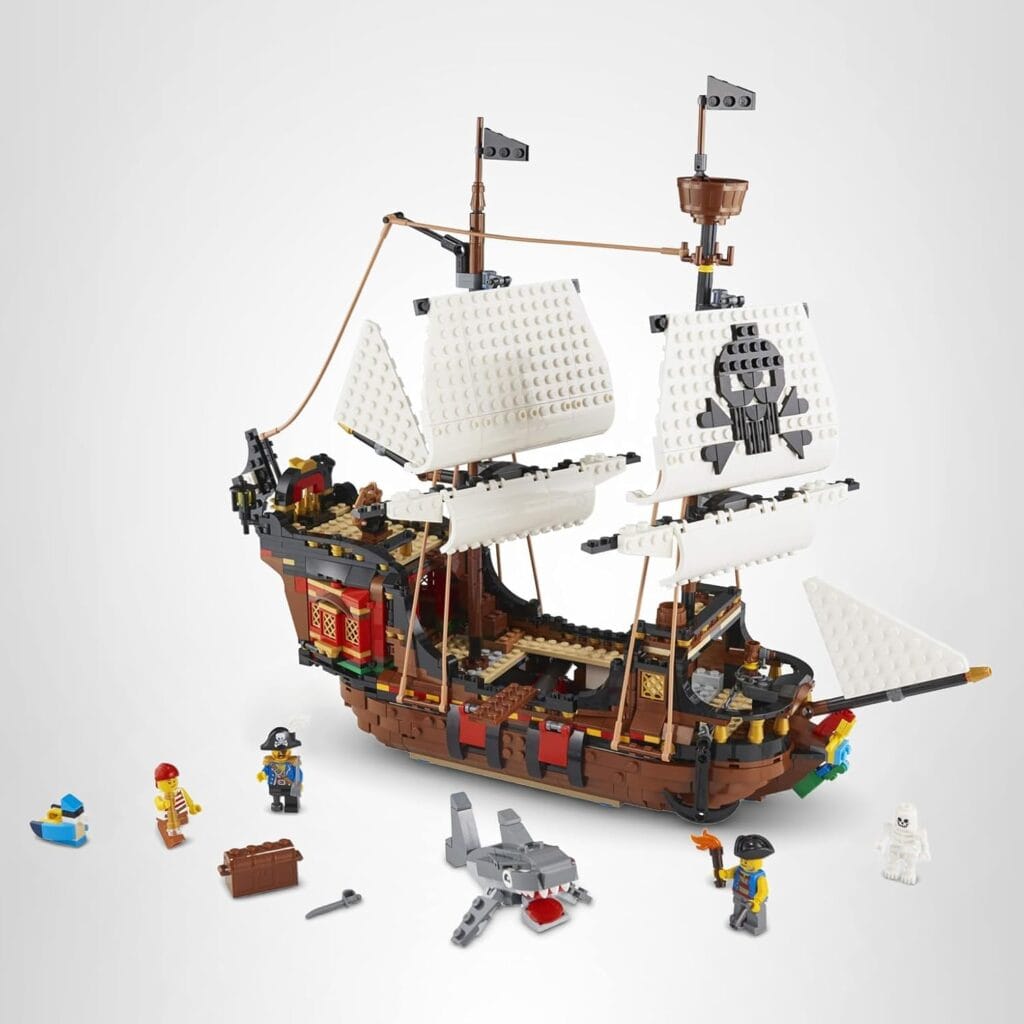
Build three models in one set, including a detailed pirate ship, Pirates’ Inn, and Skull Island for kids aged 9+.
The pirate ship features an opening cabin roof, lookout platform, and rotating cannons for dynamic adventures.
Includes 2 pirate minifigures, a deckhand sailor, and buildable shark, bird, and skeleton figures for immersive play.
Packed with accessories like a treasure chest, map, telescope, lanterns, barrels, and pistols to enrich storytelling.
Skull Island adds action with a handle to open the giant skull or hide treasure in the Inn’s secret compartment.

The Best for Anime and Manga Fans
Build the iconic 75639 Going Merry pirate ship for ages 10+, standing over 34 cm tall.
Includes five original crew minifigures—Luffy, Zoro, Nami, Usopp, and Sanji—with character accessories.
Features detailed interiors like the cabin, kitchen, storage rooms, workshop, plus masts, cannon, and working rudder.
Kids can pose Luffy, train Zoro, grow Nami’s tangerines, and let Sanji cook for character-specific play.
Finished ship measures 39 × 20 cm and works with the LEGO Builder app for 3D guidance.
The Best Video Game Build
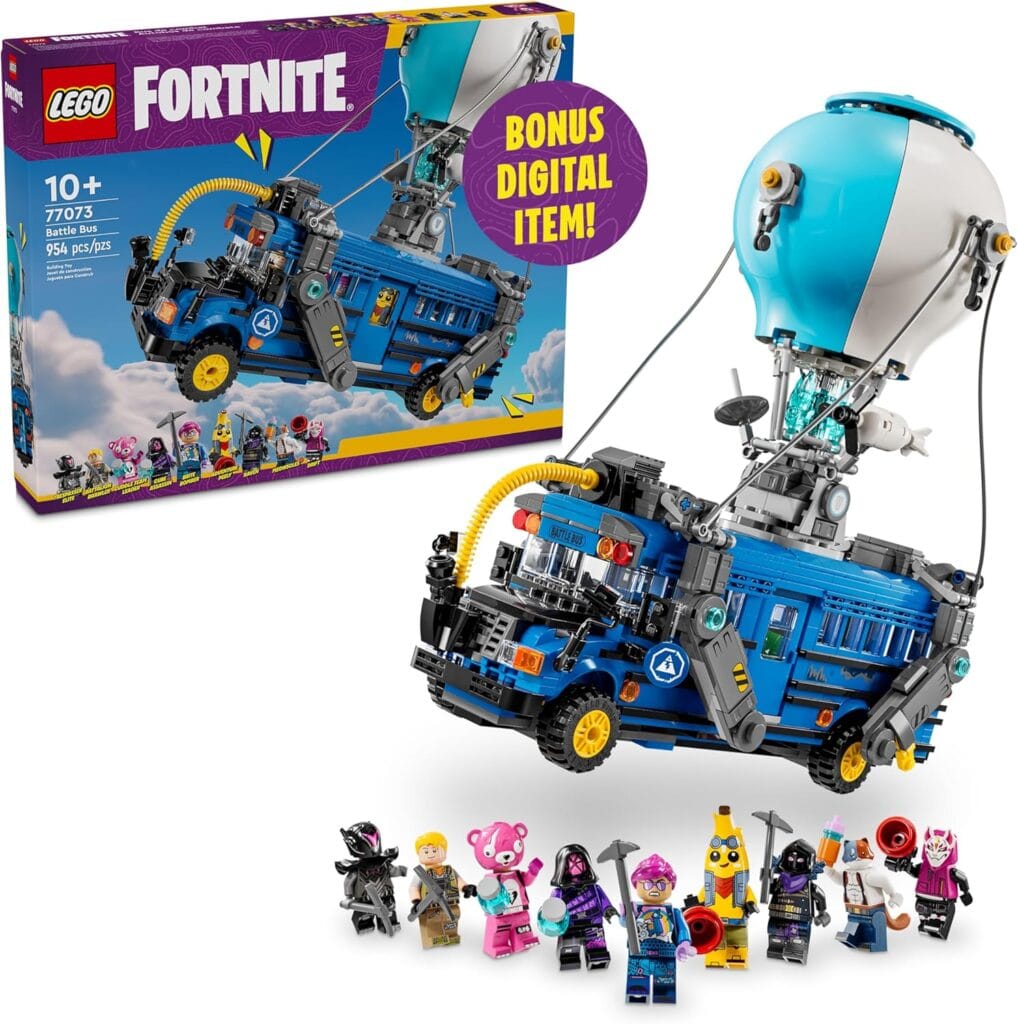
Build the LEGO Fortnite Battle Bus toy for ages 10+, perfect for video-game-inspired adventures.
Fans can recreate the iconic Battle Bus with a detailed brick-built collectible model from Fortnite.
Set includes fun accessories like Slurp Juice, Slap Juice, Pickaxes and a Grappler for added play.
Features 9 minifigures including Drift, Meowscles, Peely, Raven, Brite Bomber and more for full action.
Finished Battle Bus measures 28 cm high, 28 cm long and 13 cm wide for an impressive display.
The Best City Life Set
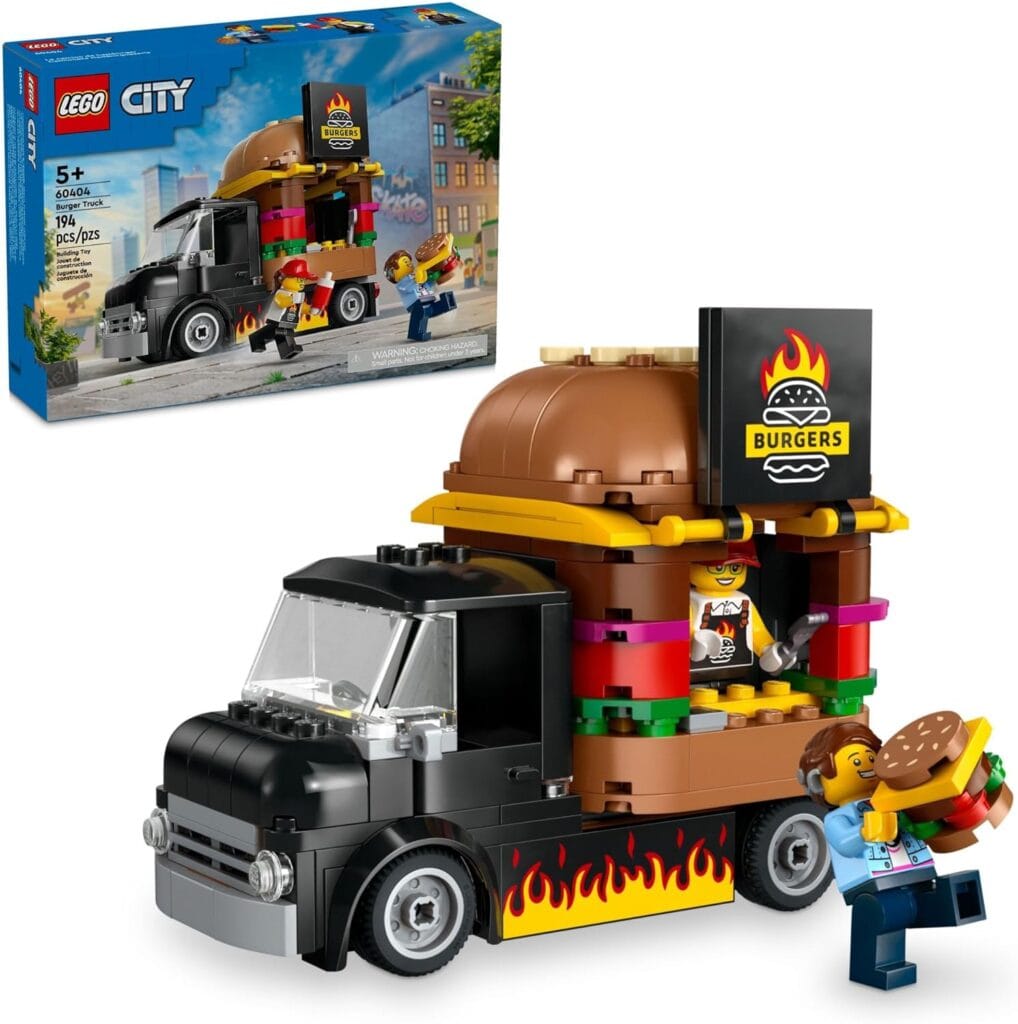
Build a fun 5+ LEGO City Burger Truck featuring a vendor and customer with cochlear implant.
Set includes pieces to create the burger truck plus condiment accessories for realistic play.
Kids open the service hatch, reveal the flame-grilled sign, and serve customers from the prep area.
The LEGO Builder app lets kids zoom, rotate, and track progress for an interactive building experience.
A great anytime gift that expands imaginative play when combined with other LEGO City sets.
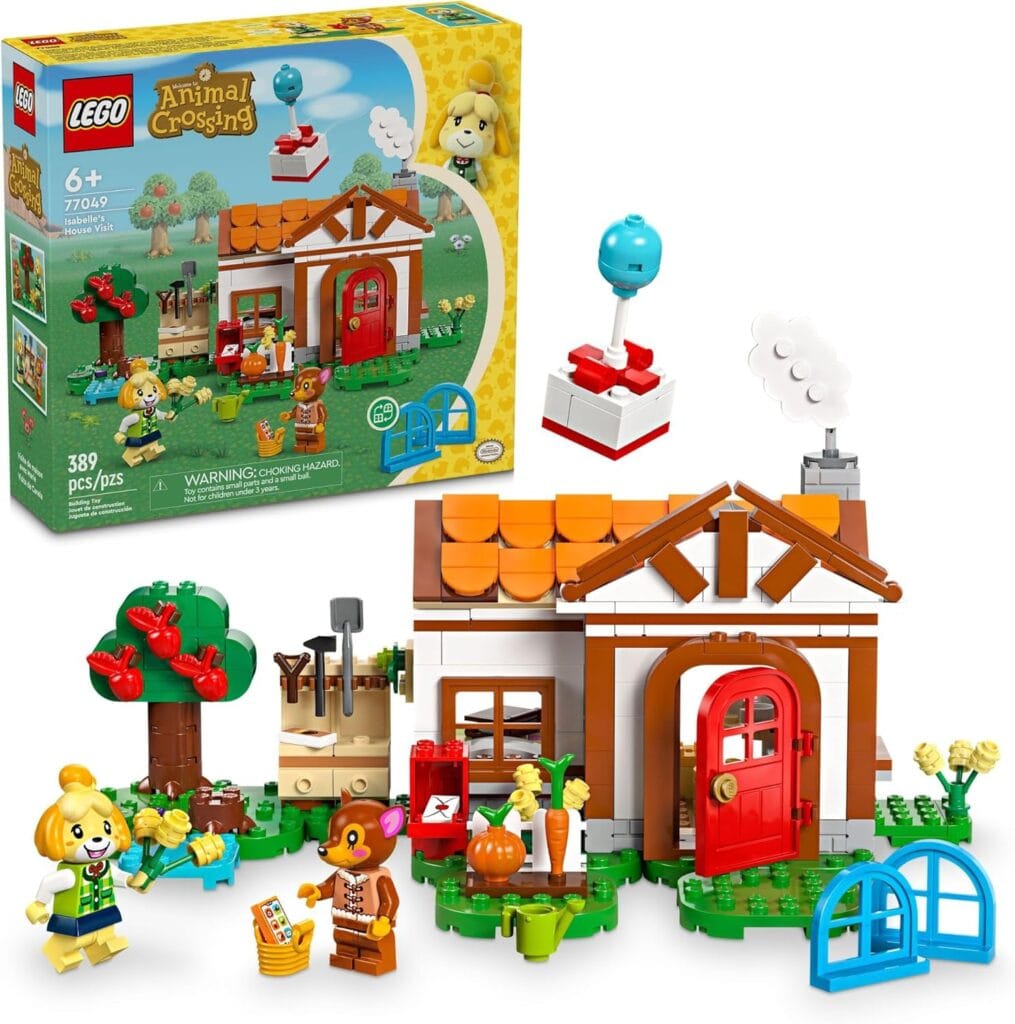
The Best Cozy Life Sim Build
Build Isabelle’s House Visit, a creative 6+ LEGO Animal Crossing set offering hours of hands-on role play.
Feature-packed pieces let kids customize scenes freely and create endless Animal Crossing stories.
Includes Isabelle and Fauna figures plus fun elements like a workbench and balloon-delivered present.
Modular baseplates and accessories allow kids to redesign the house layout anytime they want.
A great gift for fans seeking creative off-screen play, supported by digital instructions in the LEGO Builder app.
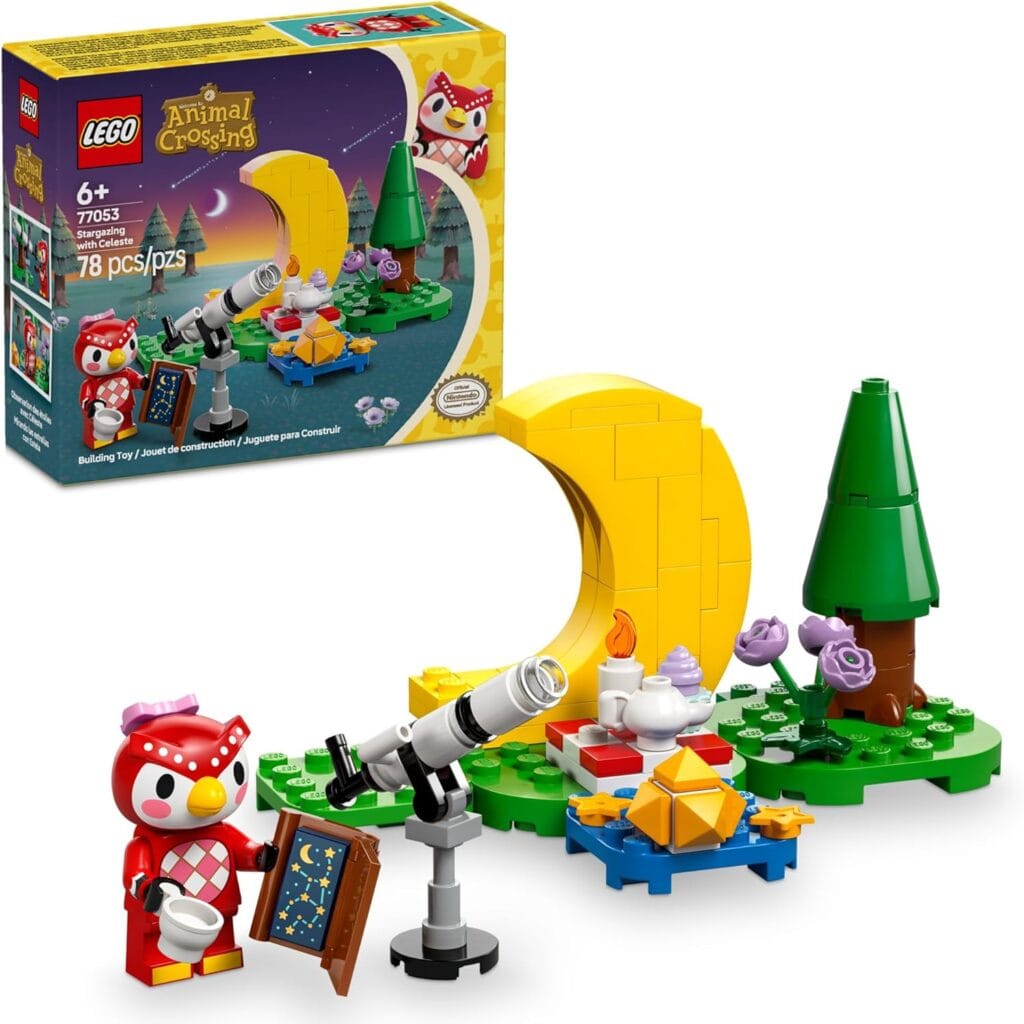
Perfect for Nighttime Dreamers
- Build Stargazing with Celeste, a creative LEGO Animal Crossing playset designed for fans ages 6+.
- Includes Celeste the owl, a telescope, astronomy book, campfire, teapot, cupcake, and collectible star fragments.
- Kids role-play stargazing, wishing on shooting stars, and decorating Celeste’s crescent-moon chair.
- Features four reconfigurable baseplates so kids can rebuild scenes and customize their island layout.
- A fun birthday or holiday gift for young Animal Crossing fans who enjoy imaginative, hands-on play.
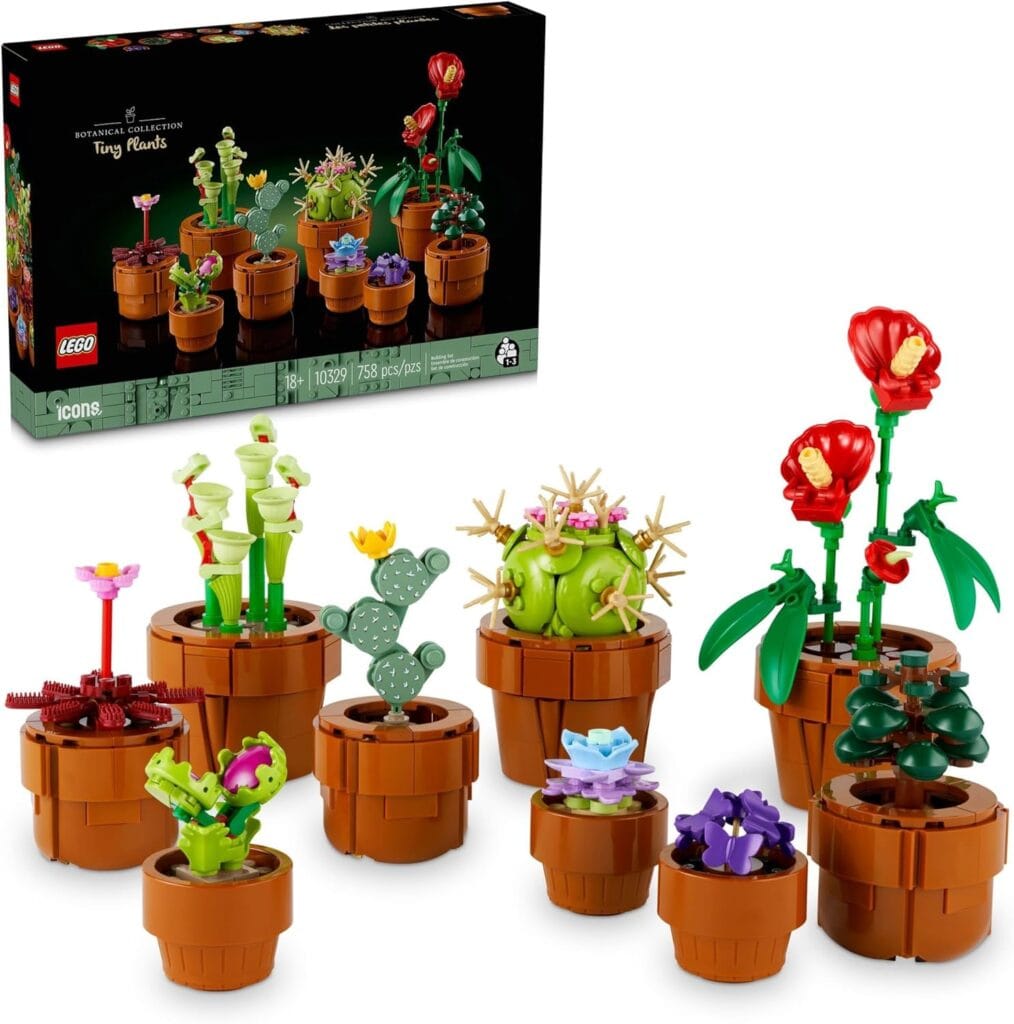
Most Surprisingly Delightful
Enjoy a calming build with this adult LEGO Icons Tiny Plants home-decor set for creative relaxation.
Craft nine arid, tropical, and carnivorous plants displayed in terracotta-style buildable pots.
Create vibrant, zero-maintenance décor that adds lasting color to shelves, desks, or coffee tables.
A thoughtful gift for plant lovers, perfect for birthdays, anniversaries, Mother’s Day, or special occasions.
This 758-piece set includes digital instructions and features plants up to 6.5 in. (16 cm) tall.
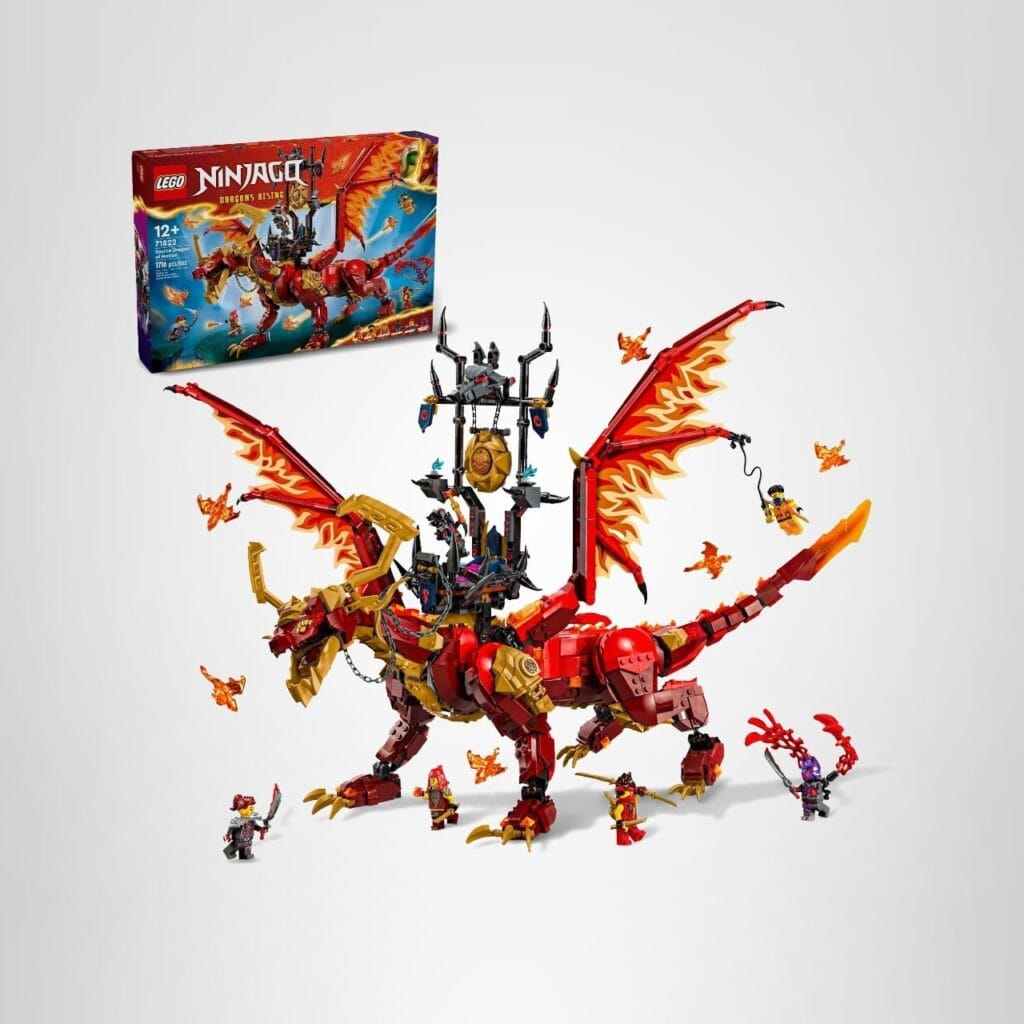
The Best Action-Packed Build
Ages 12+ recreate NINJAGO Dragons Rising aerial action with the massive posable Source Dragon of Motion.
The dragon features articulated legs, tail, jaw, neck, and 29-in. wings for dynamic sky battles.
A large saddle-throne on its back lets kids seat a minifigure and stage high-flying adventures.
Includes Kai, Wyldfyre, Arin, Lord Ras, Jordana, and a Wolf Mask Warrior with detailed weapons.
This 1,716-piece dragon model measures 15 x 24.5 x 29 in., delivering an epic build-and-play experience.

Cutest Set for Little Ones
Kids ages 4+ explore an 8-room, 34 cm-tall LEGO Gabby’s Dollhouse packed with show-accurate accessories.
Includes Gabby, Pandy Paws, MerCat, and Cakey plus 20+ accessories like instruments, brushes, and treats.
Children bake, slide, paint, play music, relax, nap, and dance across themed rooms for endless pretend play.
Starter Brick design makes this dollhouse an ideal gift that builds skills and fuels imaginative adventures.
The 13.5 × 12.5 × 3.5 in. dollhouse includes digital instructions and pairs with other Gabby’s Dollhouse LEGO sets.

Most Impressive Technical Build
Kids ages 9+ can build the 452-piece LEGO Technic NEOM McLaren Formula E model with pull-back action.
The double pull-back function lets children race the car toy across floors for fast-paced, exciting play.
Steering functionality allows kids to move wheels and simulate professional motorsport driving during creative play sessions.
This 12 × 4.5 × 2.5 in. race car set makes a fun birthday gift for vehicle-loving kids.
LEGO Technic introduces young builders to realistic engineering mechanisms with intuitive 3D instructions via the LEGO Builder app.

The Best Open-Ended Creative Set
Kids ages 4+ can enjoy creative pretend play with this 484-piece LEGO Creative Brick set.
The set includes 35 colorful bricks, 18 tires, windows, toy eyes, and a green baseplate.
Children can build trains, tiger figurines, or any creation, fostering creativity and imaginative playtime.
Compatible with all LEGO construction sets, this kit allows endless building possibilities for extended play.
The green baseplate measures over 3 in. long and 6 in. wide for stable construction displays.
Why LEGO Sets Are Still the Gold Standard for Kids' Toys
Before we dive into our top picks, let’s talk about why LEGO continues to dominate toy boxes everywhere. Building with LEGO bricks helps kids develop both EQ skills like socialization and emotional intelligence, plus IQ skills including cognition and creativity. We’ve watched this play out in real time during our testing sessions.
One mom in our testing group told us her eight-year-old, who typically struggled with patience, spent three solid hours working through a challenging build without once asking for help. That’s the magic of these sets—they meet kids where they are and gently push them just beyond their comfort zone.
The educational benefits go deeper than most parents realize. Fine motor skills, spatial reasoning, problem-solving, and even early engineering concepts all come into play when kids snap those bricks together. Plus, the storytelling and imaginative play that happens after the build? That’s where the real development magic happens.
How We Tested These LEGO Sets
Our testing process wasn’t just about building sets ourselves and calling it a day. We brought in kids aged 4 through 14, matched them with age-appropriate sets, and watched what actually happened. We noted which sets kept kids engaged beyond the initial build, which ones frustrated younger builders, and which sparked the most creative play afterward.
We also talked to parents about value, storage, and whether the sets held up to rough play. Some sets looked gorgeous on the shelf but fell apart if you breathed on them wrong. Others became instant favorites that kids returned to day after day. Those patterns helped us identify the real winners.
Best LEGO Sets for Kids Our Picks
Walking into our testing room and seeing the completed red fox from this set sitting on the table, I genuinely did a double take. The detail and articulation LEGO managed to pack into this animal build is remarkable. But here’s what really sold us on this set during testing—it’s actually three completely different builds in one box.
Kids can construct a beautifully detailed red fox with a poseable head, legs, and tail, then completely rebuild it into either a wise-looking owl perched on a branch or a charming squirrel clutching an acorn. One of our ten-year-old testers rebuilt all three models over a weekend and told us the fox was his favorite because “the tail actually moves in a realistic way.” His mom appreciated that the set kept him engaged for days instead of sitting forgotten after one build.
The value proposition here is exceptional. Most LEGO sets offer one building experience, but this delivers three distinct models that each feel substantial and display-worthy. The Forest Animals set represents LEGO Creator 3-in-1 at the top of its game, with sculpting that’s unparalleled at this scale.
We found this set perfect for kids aged 7-12 who love nature and animals. The building techniques teach important skills without overwhelming younger builders, and the finished models look impressive enough that kids actually want to display them. One unexpected benefit our testers discovered: the different builds mean siblings can each have their own animal without fighting over the same model.
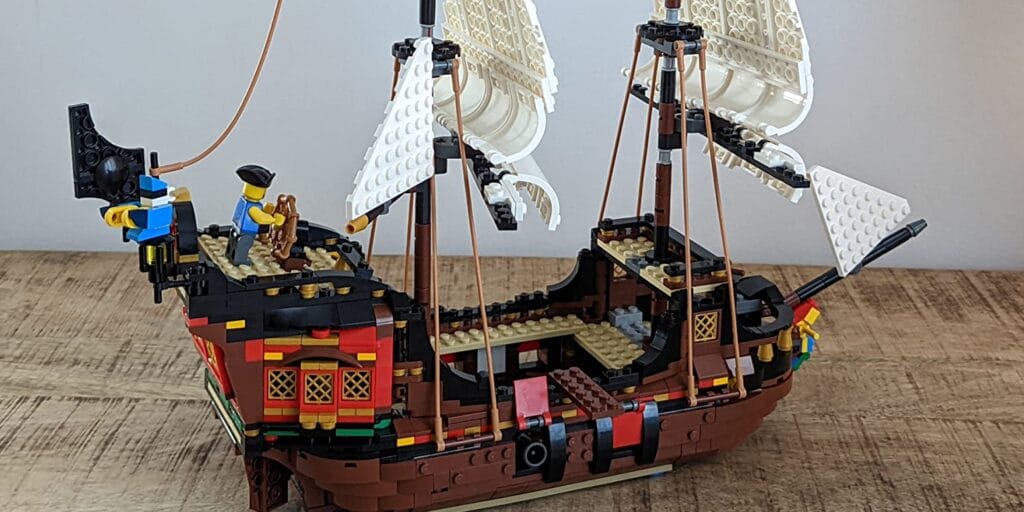
Every kid goes through a pirate phase, and this set delivers exactly what they’re dreaming about. Our testing group included several kids who’d never built a LEGO ship before, and watching their faces light up as the hull took shape was genuinely delightful. The set transforms between three different builds: a detailed pirate ship complete with cannons and sails, a cozy pirate tavern, or a mysterious skull island.
What impressed us most was how much play value existed beyond the initial build. The ship includes a cabin, crow’s nest, and plank for walking (obviously), plus it actually floats if kids want to take the adventure to the bathtub. One seven-year-old in our group spent an entire afternoon creating elaborate pirate stories with the three included minifigures, completely ignoring the other toys in the room.
The alternate builds aren’t just afterthoughts either. The pirate tavern features a turning fireplace that reveals a hidden treasure map, and kids loved that secret mechanism. The skull island build includes a skeleton and palm trees, creating a completely different play scenario. This versatility means the set doesn’t get boring after the first build—kids can completely change the story by switching to a different model.
For kids aged 7-10 who love adventure, exploration, and creative storytelling, this set hits the sweet spot. It’s complex enough to feel like an accomplishment but not so difficult that younger builders get frustrated. Parents in our testing group also appreciated that the pieces store back in the box reasonably well, which isn’t always the case with LEGO sets.
When we first announced we’d be testing this set, the excitement from our anime-loving testers was palpable. ONE Piece has a massive following, and LEGO absolutely nailed the details on this iconic ship. The Going Merry build is substantial—this isn’t a quick weekend project. Our teenage testers spent several focused sessions completing the ship, and the attention to detail kept them engaged throughout.
The completed model measures over 18 inches long and includes the ship’s distinctive ram head, detailed deck sections, and even the tiny kitchen where Sanji cooks in the series. What really stood out during testing was how display-worthy the finished build looks. Multiple parents told us this was the first LEGO set their teens actually wanted to keep on their shelf instead of disassembling for parts.
The set includes minifigures of the main crew members, which was a huge selling point for fans. One 13-year-old tester told us she’d been wanting figures of these characters for years but couldn’t find quality ones anywhere. Having them included with such a detailed ship model made the entire set feel like a celebration of the series.
We recommend this set for ages 10 and up, particularly kids who are already ONE Piece fans or anime enthusiasts in general. The building complexity is significant, so younger or less experienced builders might struggle. However, for the right kid, this becomes an instant treasured possession. Fair warning: expect it to spark interest in the anime if your child hasn’t watched it yet. Several of our non-fan testers asked their parents if they could start watching the show after building the ship.
Look, some parents might roll their eyes at Fortnite, but this build won over even our most skeptical testers. The Battle Bus is instantly recognizable to anyone who’s played the game, and LEGO captured all the quirky details that make it memorable. The blue bus body, the balloon on top, and even the texture of the exterior paneling all match the game’s aesthetic.
What surprised us during testing was how much kids enjoyed displaying this set. Unlike some video game merchandise that feels cheap or childish, the completed Battle Bus looks legitimately cool on a shelf. One 11-year-old boy in our group positioned it above his gaming setup, and even his older brother (who claimed he’d “outgrown” LEGO) admitted it looked awesome.
The build process teaches some interesting techniques, particularly around creating the curved sections of the bus. We watched kids problem-solve when pieces didn’t seem to fit initially, figuring out the correct orientation through trial and error. Those moments of struggle followed by the “aha!” breakthrough are exactly what makes LEGO valuable for developing persistence.
This set works beautifully for kids aged 9-14 who play Fortnite or just love gaming culture in general. The piece count sits right in that sweet spot where it feels substantial without becoming overwhelming. Parents told us the build kept their kids occupied for a solid afternoon, which in today’s world of 30-second attention spans, felt like a small miracle.
Sometimes kids don’t want fantasy or adventure—they want to build something that reflects the real world around them. This burger truck set charmed absolutely everyone in our testing group. There’s something delightful about recreating an everyday food truck in LEGO form, complete with tiny burgers, a working serving window, and even a menu board.
The set includes three minifigures: a burger truck owner and two customers. During testing, we watched kids create elaborate scenarios around the truck. One eight-year-old girl set up an entire “city block” using this set combined with other builds, and the burger truck became the central gathering place for all her minifigures. That kind of integration with other sets is pure gold for kids building bigger LEGO cities.
The truck itself features some clever building techniques, especially around the curved awning and the detailed interior kitchen space. Kids can open up the side to access the cooking area, which includes a grill, food prep station, and storage. One tester loved arranging and rearranging the food pieces, treating it almost like a dollhouse for minifigures.
We found this set particularly perfect for kids aged 6-10 who love pretend play and creating stories. It’s also an excellent choice for kids who might feel overwhelmed by large, complex builds—this one is achievable and satisfying without requiring hours of intense focus. Several parents mentioned their kids returned to this set repeatedly for imaginative play, long after the initial build was complete.
Animal Crossing captured hearts during the pandemic, and this LEGO set brings that same cozy, comforting vibe into the physical world. Our testing revealed something interesting: this set appealed strongly to kids who sometimes felt overwhelmed by high-action toys. The gentle, friendly nature of Animal Crossing translated beautifully into this build.
The set features Isabelle’s house exterior with adorable details like flower boxes, a brick chimney, and a welcoming front door. Inside, kids can build tiny furniture pieces and accessories that match the game’s aesthetic perfectly. One nine-year-old tester spent almost as much time arranging and rearranging the furniture as she did on the actual build, treating it like decorating her own virtual home.
The included minifigures—Isabelle and another villager—have that perfect Animal Crossing look with their big heads and sweet expressions. During testing, younger kids particularly connected with these characters. The scale feels just right for creating little scenes and stories, and the pieces are substantial enough that they don’t easily get lost (parents everywhere just breathed a sigh of relief).
This set shines for kids aged 7-11 who love cozy games, collecting things, and creating little worlds. It’s also wonderful for kids who appreciate attention to detail and enjoy decorating. The build complexity is moderate, making it accessible for younger or newer builders while still feeling rewarding for more experienced kids. Multiple testers told us this set made them feel happy and calm while building, which in our stress-filled world, is worth noting.
This might be our favorite small set from the entire testing session. The premise is simple: Celeste, the adorable owl character from Animal Crossing, has a stargazing setup complete with a telescope and observatory platform. But what makes this set special goes beyond the surface elements.
Building this set creates an experience, not just a toy. Our testers loved the nighttime theme, with the dark blue base and glowing star elements (well, LEGO’s interpretation of glowing, anyway). One ten-year-old girl told us she put this set on her nightstand because “Celeste makes my room feel magical.” That emotional connection is exactly what great toys should create.
The telescope actually adjusts, and kids can position Celeste to look through it at different angles. This small interactive element added more play value than we expected. During testing, kids created stories about Celeste discovering new constellations or hosting stargazing parties with other Animal Crossing characters from different sets.
The piece count is lower than some other sets we tested, making this an achievable build for kids aged 6-10 who might be building independently. It’s also an excellent choice for kids who love astronomy, nighttime, or just think owls are cool (and honestly, who doesn’t?). Parents appreciated the compact size—it takes up minimal space but still feels substantial and special.
Here’s where things get interesting. This set was originally designed with adults in mind, but during our testing, kids absolutely fell in love with it. The concept is simple: build nine different tiny potted plants that look remarkably realistic from a distance. What happened during testing was unexpected and wonderful.
Kids approached these builds with a level of focus and care we hadn’t seen with other sets. Creating something delicate and lifelike seemed to bring out a different building style—more contemplative, more precise. One 12-year-old boy who typically rushed through builds took his time with each plant, carefully positioning every leaf and flower. His mom was genuinely surprised by his patience.
The variety in the set is excellent. You get succulents, a bonsai tree, cacti with flowers, and other botanical varieties. Each plant sits in its own tiny pot with authentic-looking soil made from brown LEGO pieces. Several testers ended up lining all nine plants along their windowsills, creating a mini indoor garden that looked legitimately decorative.
We found this set worked beautifully for kids aged 10 and up who appreciate crafts, nature, or just want something different from typical action-oriented builds. It’s also perfect for kids who like displays and collecting—the completed plants look impressive together but each one also stands alone nicely. Several parents mentioned their kids gave individual plants as gifts to family members, which was a sweet unexpected use.
NINJAGO has been a powerhouse in the LEGO world for years, and this dragon set shows exactly why the theme endures. The Source Dragon of Motion is massive, colorful, and articulated in ways that make it actually fun to play with after building. Too many dragon builds end up as static displays, but this one moves.
The dragon features poseable wings, legs, head, and tail, allowing kids to create different flying poses and action scenes. During testing, kids immediately started swooping the dragon around the room once they attached the final pieces. That instant play value matters—nobody wants to spend hours building something that just sits there.
The set includes multiple minifigures and accessories, setting up battle scenarios right out of the box. One eight-year-old tester created an elaborate story involving the dragon protecting a mystical temple from invaders, incorporating other NINJAGO sets he owned. That cross-set compatibility is a huge strength of the NINJAGO line.
Building this dragon teaches some advanced techniques, particularly around creating the curved body segments and attaching the massive wings. We watched kids work through moments of confusion, checking and rechecking the instructions, which develops important problem-solving skills. The sense of accomplishment when that dragon finally came together was visible on every tester’s face.
This set is ideal for kids aged 8-13 who love action, adventure, and dragons. The complexity level is significant but manageable for the target age range. Parents should know this is definitely a keep-assembled set—breaking it down would be heartbreaking after investing so much time in the build.
Gabby’s Dollhouse has become a preschool favorite, and this LEGO set captures exactly what makes the show appealing. The colorful, cat-filled world translates beautifully into brick form. During testing with our younger group (ages 4-7), this set generated more squeals of excitement than anything else we’d brought.
The build creates Gabby’s iconic dollhouse shape with multiple rooms that kids can access from different angles. Each room includes tiny accessories and details from the show—a kitchen with dishes, a music room with instruments, and a cat-themed bedroom. The chunky, younger-kid-friendly pieces make building achievable for small hands still developing fine motor skills.
What impressed us was how much imaginative play happened after building. Kids moved the included cat figures between rooms, acting out show episodes and creating new stories. One five-year-old tester played with this set for an entire afternoon, completely absorbed in her Gabby-inspired adventures. Her mom mentioned it was rare for her daughter to focus on one toy that long.
The set works perfectly for ages 4-7, especially kids who watch and love the show. It’s also great for children transitioning from DUPLO to regular LEGO—the building techniques are straightforward but start introducing more complex connections. Parents told us cleanup was reasonably easy since most pieces are larger and don’t disappear into carpet fibers as readily as tiny LEGO elements.
This set represents a huge leap in complexity, and it’s not for everyone. But for the right kid—one who loves cars, engineering, or figuring out how things work—this build is absolutely captivating. The McLaren Formula E race car features authentic details and, more impressively, actual mechanical functions powered by LEGO Technic gears and mechanisms.
During testing, our older kids (ages 11-14) approached this set with a mix of excitement and intimidation. The piece count is substantial, and the building techniques are definitely advanced. But watching kids work through the challenges, seeing gears click into place and mechanisms start working, was genuinely inspiring. This is where LEGO crosses over into legitimate STEM education.
The completed car features a pull-back motor, meaning kids can wind it up and send it racing across the floor. That functional element elevates the entire experience from “cool display piece” to “awesome toy I actually want to play with.” One 13-year-old tester conducted races down his driveway, timing the car with his phone and adjusting the weight distribution to improve performance. That’s applied physics, folks.
We recommend this set for ages 10 and up, specifically kids who’ve already built several LEGO sets and are ready for a serious challenge. It’s also perfect for future engineers, mechanics, or anyone fascinated by how vehicles work. Parents should be prepared to help with some of the more complex steps—this isn’t a quick weekend build. But the learning experience and sense of achievement are well worth the effort.
Sometimes kids don’t need instructions or a specific theme—they need bricks and imagination. This classic box delivers exactly that. Our testing revealed something interesting: kids who initially complained about “just having bricks” ended up spending more time building their own creations than they did with any themed set.
The box includes 484 pieces in 35 different colors, plus wheels, windows, and other special elements that expand building possibilities. During our testing sessions, we watched kids create everything from fantastical creatures to miniature cities to abstract sculptures. One 9-year-old built an elaborate bird that honestly looked better than some of the designed sets we’d tested.
The lack of instructions initially throws kids who are used to following step-by-step guides. But we noticed something wonderful happening: after 15-20 minutes of exploration, kids stopped asking “what should I build?” and started just building. That transition from seeking external direction to trusting their own creativity is valuable beyond just LEGO play.
This set works for a wide age range—roughly 4-12—depending on what kids build. Younger children create simpler structures and vehicles, while older kids develop more complex designs. Several parents told us this box became the foundation of their child’s entire LEGO collection, with pieces getting mixed into other builds over time. That versatility and longevity make it an excellent value proposition.
Choosing the Right LEGO Set for Your Child
After watching dozens of kids build dozens of sets, we’ve identified some key factors that predict whether a set will be a hit or miss. First, interest trumps everything. A kid who loves video games will get more value from a gaming-themed set than from the “objectively best” set on the market. Match the theme to your child’s actual interests, not what you think they should like.
Second, consider building experience over age. We’ve seen confident seven-year-olds tackle 10+ sets successfully and struggling 11-year-olds get frustrated with 8+ builds. Look at what your child has successfully built before and nudge them just slightly beyond that level.
Third, think about what happens after the build. Some kids love displays and want sets that look impressive on their shelf. Others want toys they can actually play with, meaning durability and functionality matter more than aesthetics. Neither preference is better—they’re just different, and the right set depends on matching that preference.
Tips for Making the Building Experience Better
We learned several tricks during our testing that significantly improved kids’ building experiences. First, create a dedicated building space with good lighting and a comfortable chair. Searching for tiny pieces on the floor is nobody’s idea of fun, and poor lighting causes eye strain during detailed work.
Second, consider building in stages rather than pushing through in one marathon session. Most sets have natural break points where a major section is complete. Stopping there and returning fresh the next day often works better than forcing tired kids to continue.
Third, resist the urge to take over when kids struggle. We watched several well-meaning parents jump in too quickly, robbing their children of the satisfaction of figuring things out independently. Unless a child is genuinely stuck or asking for help, let them work through the challenge. That’s where the real learning happens.
Finally, celebrate the finished build. Take photos, display it prominently for a few days, and let your child feel proud of their accomplishment. That positive reinforcement encourages them to tackle more challenging builds in the future.
Storing and Organizing LEGO Sets
Let’s be real: stepping on LEGO bricks is painful, and keeping sets organized is an ongoing battle. During our testing, we asked parents what storage solutions actually worked in their homes. The consensus? Dedicated storage bins with labels work far better than just throwing everything in one giant container.
Consider keeping currently-in-use sets in their original boxes, which makes reassembly easier if pieces get mixed up. For sets kids have moved past, break them down and store pieces by type (all wheels together, all flat pieces together, etc.) in clear plastic organizers. This organization makes free-building more enjoyable since kids can actually find the pieces they need.
Some families in our testing group created “active” and “storage” zones for LEGO sets. Active zone displays currently built and played-with sets, while storage holds completed builds kids want to keep intact but aren’t actively using. This system prevents shelves from becoming overcrowded while still preserving special builds.
The Educational Value Beyond the Build
While researching this article, we connected with educators who use LEGO in classroom settings. According to educational specialists at the LEGO Foundation, building with LEGO bricks develops crucial skills across multiple domains. Fine motor control improves through manipulating small pieces. Spatial reasoning develops as kids visualize how pieces fit together three-dimensionally. Sequential thinking strengthens as they follow multi-step instructions.
But perhaps most valuable is the resilience and problem-solving mindset LEGO building cultivates. When a piece doesn’t fit, kids must figure out why and find a solution. When they make mistakes, they have to disassemble and rebuild. These experiences teach persistence and adaptability in a low-stakes, enjoyable context. Those are life skills that extend far beyond toy building.
Budgeting for LEGO: Getting the Best Value
LEGO isn’t cheap, and that’s a reality every parent faces. During our conversations with testing families, we gathered strategies for maximizing LEGO value without breaking the bank. First, consider price per piece rather than just total cost. Larger sets often deliver better per-piece value than smaller ones.
Second, watch for sales cycles. LEGO sets frequently go on sale during major shopping periods like Black Friday, back-to-school season, and post-holiday clearance. Building a wishlist and waiting for discounts can save 20-40% on sets.
Third, evaluate longevity and replayability. A $60 set that provides hours of building followed by months of creative play delivers better value than a $30 set that gets built once and forgotten. The Creator 3-in-1 sets excel here—three builds for one price extends the play value significantly.
Finally, remember that LEGO pieces last forever (unless lost in carpet fibers or accidentally vacuumed up, which definitely happens). Sets can be passed down to younger siblings, mixed together for creative building, or even sold secondhand if kids outgrow them. That longevity makes LEGO a relatively smart toy investment.
Building Confidence Through Challenges
One of the most rewarding aspects of our testing was watching kids surprise themselves with what they could accomplish. We saw frustrated moments, certainly—times when pieces wouldn’t cooperate or instructions seemed confusing. But we also saw breakthrough moments when everything clicked into place.
A particularly memorable moment involved a ten-year-old girl who almost gave up on a complex build halfway through. Her mom gently encouraged her to try the tricky section one more time, and when the pieces finally aligned correctly, her face lit up with pure joy. She told us afterward, “I didn’t think I could do it, but I did!” That confidence boost extended beyond LEGO—her mom reported she approached other challenges more positively in the weeks following.
This is the real value proposition of LEGO sets that challenge kids appropriately. They create opportunities for children to develop grit, persistence, and belief in their own capabilities. Those attributes serve them far longer than any specific toy.
Supporting Your Child's LEGO Passion
If your child develops a serious interest in LEGO building, consider ways to support that passion beyond just buying more sets. Many communities have LEGO clubs where kids can build together, share creations, and learn new techniques. Online communities also exist where young builders can share photos of their creations and get inspired by others’ work.
Some parents in our testing group mentioned their kids started watching LEGO building videos online, learning advanced techniques from experienced builders. This self-directed learning can take their skills to impressive levels. Just monitor screen time to ensure building videos don’t completely replace actual building.
For kids showing serious interest, consider more advanced sets as they grow older. The Architecture line, detailed vehicle builds, and complex Technic sets can engage teenagers and even adults. We know several families where LEGO building became a shared hobby between parents and kids, creating bonding time around a mutually enjoyable activity.