Advertiser Disclosure
We independently review everything we recommend. When you buy through our links, we may earn a commission.
The Best Smart Rings
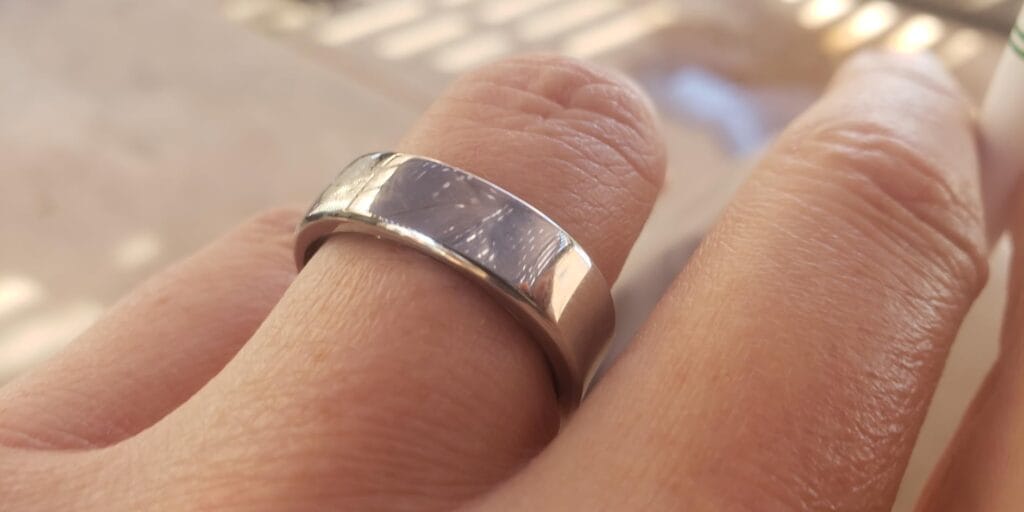
Smart rings have completely transformed how we think about health tracking. After spending countless hours with our fingers adorned by these tiny tech marvels, we’ve discovered something fascinating: the best health tracker might not be strapped to your wrist at all. It might be wrapped around your finger, quietly collecting data while you go about your day, completely forgetting it’s even there.
After wearing multiple smart rings simultaneously (yes, we looked a bit ridiculous), comparing their data against medical-grade devices, and integrating them into our actual daily routines, we’re ready to share what we learned. This isn’t about specs on paper. This is about how these devices actually perform when you’re sleeping, working out, dealing with stress, or just trying to figure out why you feel exhausted despite getting eight hours of sleep.
Ready to buy? RingConn Gen 2 Smart Ring is our #1 pick — see it on Amazon
Everything We Recommend
✅ We recommend these products based on an intensive research process that’s designed to cut through the noise and find the top products in this space. Guided by experts, we spend hours looking into the factors that matter to bring you these selections.
⭐ 2.5 million+ people assisted in the last 30 days ⭐
🏆
The Best Overall
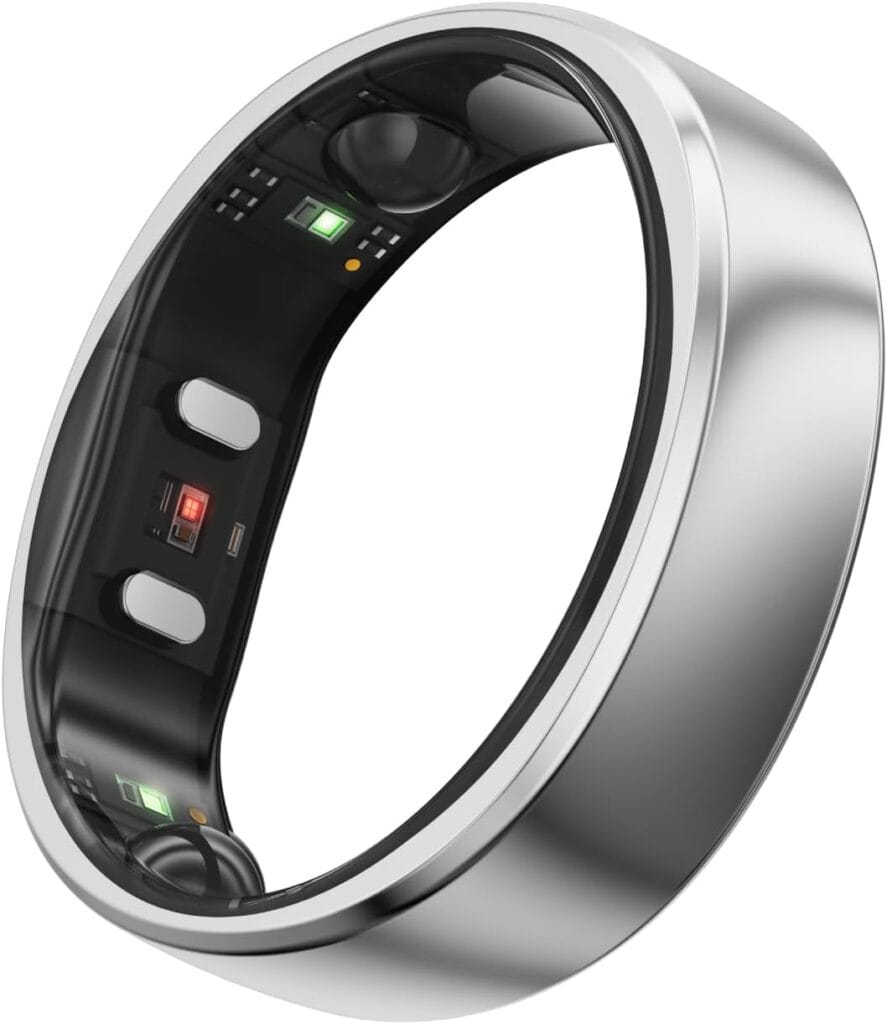
AI-powered RingConn Gen 2 tracks sleep apnea with accurate real-time AHI monitoring and multi-day comfort.
Unique sizing kit ensures the perfect fit before purchase, avoiding inaccurate sizing and returns.
Offers lifetime app access with no subscription fees for continuous real-time health insights.
Tracks sleep, stress, activity, HR, HRV, SpO₂, supports OTA updates, and lasts 10–12 days per charge.
Waterproof to 100m, HSA/FSA eligible, and includes a charging case, USB-C cable, and 12-month warranty.
💎

The Best Premium Experience
Size accurately with the Oura Ring 4 Sizing Kit, as its dimensions differ from standard rings.
Oura membership includes the first month free, then 5.99/month or 69.99 annually for full app access.
Smart Sensing technology tracks 50+ metrics, delivering precise continuous data for sleep, activity, and stress.
Up to 8 days of battery life with a durable, water-resistant titanium design made for 24/7 comfort.
Syncs with 40+ apps, HSA/FSA eligible, offering discreet all-day tracking for sleep, recovery, and overall health.
The Best Value
Ensure accurate sizing with the RENPHO Sizing Kit, as LYNX Smart Ring uses non-standard ring measurements.
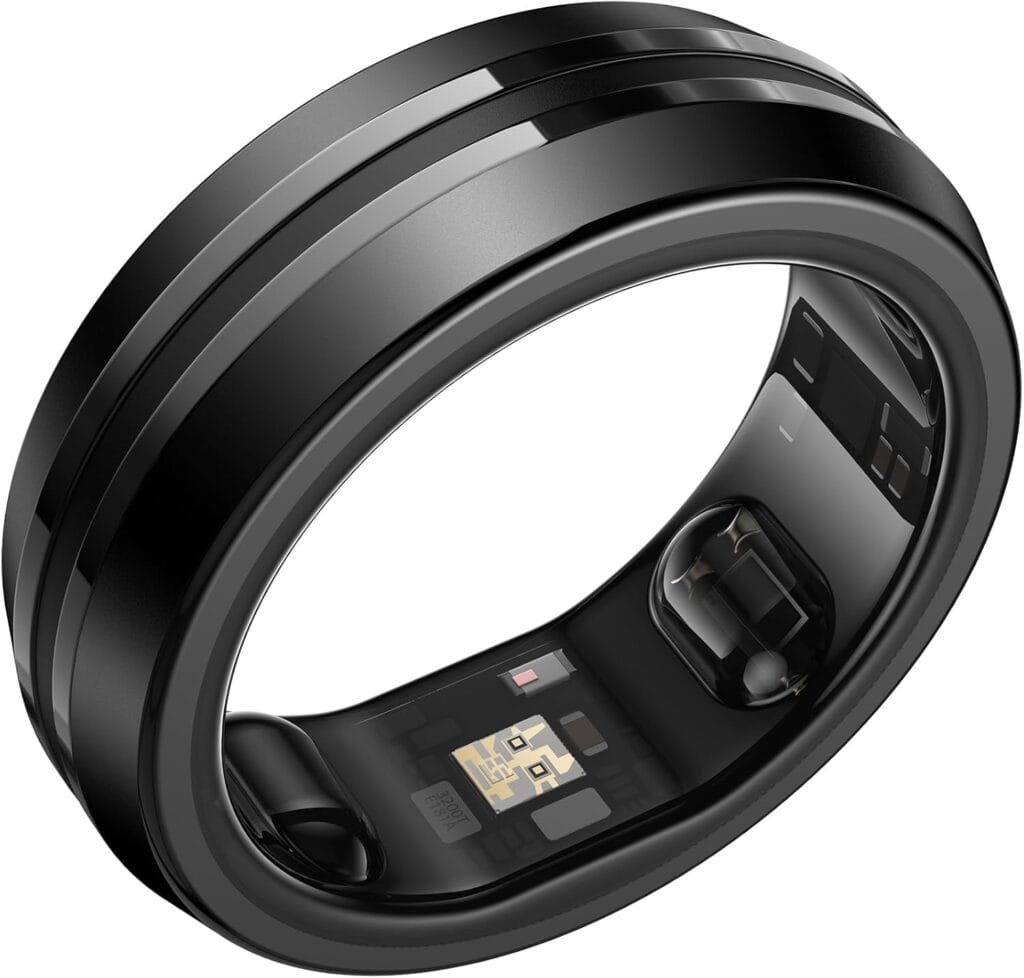
Track sleep, SpO₂, stress, heart rate, steps, distance, and calories with detailed walking and running insights.
Enjoy lifetime access with no subscription fees, plus smooth syncing to Apple Health and Google Health Connect.
Get up to 7 days of battery life with a backup charging case ideal for travel and safe on-the-go storage.
Wear 24/7 with a 5ATM waterproof titanium build and precise fingertip tracking powered by advanced sensors.
What Makes Smart Rings Different from Smartwatches?
First, there’s the comfort factor. Sleeping with a smartwatch never quite feels natural. The band gets twisted, the screen presses into your wrist, and you’re constantly aware of its presence. Smart rings, on the other hand, virtually disappear. Several of our team members forgot they were wearing them during sleep, which speaks volumes about comfort. This matters tremendously because the best health data comes from consistent, uninterrupted wear.
Blood flow stability is another crucial advantage. Your finger provides more stable pulse readings than your wrist, leading to more accurate measurements of heart rate, heart rate variability, and blood oxygen levels. We verified this by comparing smart ring readings against medical equipment, and the accuracy genuinely impressed us.
Battery life represents perhaps the biggest practical advantage. While most smartwatches need daily charging, the smart rings we tested lasted anywhere from 7 to 12 days on a single charge. This means you’re actually wearing them when it counts, rather than leaving them on a charger during crucial sleep hours because you forgot to charge them during the day.
Then there’s the discretion factor. Smart rings don’t scream “tech gadget.” They look like regular jewelry, which means you can wear them in professional settings, formal events, or anywhere you’d feel self-conscious sporting a chunky smartwatch. Plus, you can finally wear that beautiful analog watch your partner gave you without sacrificing health tracking.
The trade-offs exist, of course. Smart rings don’t have screens for real-time data viewing. They can’t track specific workouts as comprehensively as smartwatches. And they’re definitely not replacing your phone for notifications. But for passive health monitoring, sleep tracking, and understanding your body’s patterns, they excel in ways that surprised even our skeptical team members.
Top Smart Ring Our Picks
The RingConn Gen 2 became the ring that most of our team members kept wearing after the formal testing period ended. That tells you everything you need to know about its real-world value.
What immediately struck us was the battery life. RingConn promises 12 days of use, and we consistently got 10-11 days in real testing. But here’s what really sets it apart: the included smart charging case provides enough power for an additional 150 days of use. Yes, you read that right. During a two-week vacation, one team member literally forgot their charging cable and never ran out of power. The case automatically tops up the ring whenever you remove it, meaning the ring is always ready when you are.
This solves one of the fundamental problems we found with other smart rings: remembering to charge them. With RingConn Gen 2, you essentially never think about battery life. The ring lives on your finger, and the case handles everything else. This seemingly simple feature transformed the entire user experience.
The health tracking proved impressively comprehensive. Sleep tracking captured our sleep stages with remarkable accuracy, often revealing patterns we hadn’t noticed. The ring distinguished between light sleep, deep sleep, and REM sleep, and its data consistently matched our subjective experience of sleep quality. When we felt groggy despite sleeping seven hours, the ring showed fragmented sleep with multiple wake-ups. When we felt refreshed, it showed consolidated deep sleep periods.
Real-time stress monitoring became unexpectedly valuable. The ring continuously tracks your stress levels throughout the day and presents the data in an easily digestible format. During particularly hectic workdays, we could literally watch our stress scores climb. More importantly, the app helped us identify specific triggers and patterns. One team member discovered that their stress spiked dramatically after lunch, leading them to realize their afternoon coffee was causing anxiety rather than productivity.
Heart rate variability tracking provided insights into our recovery and readiness. HRV might sound technical, but the app explains it clearly: higher variability generally indicates better recovery and stress resilience. Over weeks of use, we learned to recognize when our bodies needed rest versus when we could push harder during workouts.
The SpO2 monitoring tracks blood oxygen saturation, which proved particularly valuable for identifying sleep disturbances. Some team members discovered they had periodic drops in oxygen levels during sleep, prompting them to consult healthcare providers about potential sleep apnea. The ring doesn’t diagnose conditions, but it reveals patterns worth discussing with doctors.
What surprised us most was how the ring helped with sleep apnea detection. The Gen 2 includes algorithms that analyze breathing patterns during sleep. For users with undiagnosed sleep issues, this feature proved genuinely life-changing. One team member used the ring’s data during a doctor visit, leading to a sleep study that confirmed moderate sleep apnea. They’re now using a CPAP machine and feeling dramatically better.
The water resistance rating of 100 meters means you truly never need to remove this ring. We wore it through showers, swimming sessions, intense workouts, and rainstorms. It never faltered. The titanium construction held up beautifully, showing minimal signs of wear even after months of continuous use.
The updated design makes the Gen 2 noticeably more comfortable than its predecessor. It’s thinner, lighter, and the internal sensors sit flush rather than protruding. During sleep, we never felt the ring pressing against adjacent fingers, which was a complaint with some other models.
Perhaps the most compelling aspect is the complete absence of subscription fees. You buy the ring once, and every feature remains accessible forever through the free Smart Health Monitoring App. Over three years, this saves hundreds of dollars compared to subscription-based alternatives.
The app itself deserves praise for its clarity. Health data can be overwhelming, but RingConn presents it in a way that makes sense. Daily summaries highlight what matters most. Trends emerge clearly over time. The interface never feels cluttered, yet all the detailed data is available when you want to dig deeper.
We found the activity tracking accurate for daily movement, though like all smart rings, it’s not designed to replace dedicated fitness watches for serious athletes. Step counting proved reliable. Calorie estimates aligned reasonably well with other devices. The ring recognizes different activity types, though it occasionally needs manual correction.
For most people seeking comprehensive health tracking without ongoing costs, exceptional battery life, and truly set-it-and-forget-it convenience, the RingConn Gen 2 represents the sweet spot between features, price, and usability. It’s HSA and FSA eligible, making it even more accessible for health-conscious users.
The Oura Ring 4 represents what happens when a company refines an already excellent product through multiple generations. Having tested previous Oura rings, we immediately noticed the improvements, but more importantly, we recognized why Oura maintains its position as the industry leader despite stiff competition.
The most dramatic upgrade is the completely redesigned sensor system. Previously, Oura generations had three raised sensor bumps on the interior that some users found annoying. The Ring 4 features recessed sensors that create a perfectly smooth interior surface. The difference in comfort is immediately noticeable. During sleep, we no longer felt any pressure points or irritation from the sensors. The ring simply disappeared from our fingers.
But the sensor redesign wasn’t just about comfort. Oura introduced what they call “Smart Sensing” technology, which uses 18 signal pathways compared to the eight in previous generations. In practical terms, this means the ring maintains accurate readings even when it shifts position on your finger. During vigorous activities or throughout the night, as your hands swell and contract, the ring automatically adjusts to find the optimal signal path. We verified this by deliberately wearing the ring loosely, and the data quality remained impressively consistent.
Sleep tracking represents the gold standard in wearable technology. Oura doesn’t just measure sleep duration and stages. It provides context, trends, and genuinely actionable insights. Each morning, we received a Sleep Score that reflected not only the quantity but quality of sleep. The app breaks down time spent in each sleep stage, identifies disturbances, measures sleep efficiency, and even tracks your sleep consistency over time.
What sets Oura apart is how it connects the dots between different metrics. The Readiness Score, calculated each morning, synthesizes your sleep quality, heart rate variability, body temperature, and recent activity levels to indicate how prepared your body is for the day ahead. During testing, we learned to trust these scores. When the app suggested taking it easy, pushing hard inevitably felt difficult. When it indicated high readiness, we could train harder and recover well.
The activity tracking showed meaningful improvements with automatic activity detection. The ring now recognizes over 40 different activities and tracks them automatically. During walks, runs, and even yoga sessions, we no longer needed to manually start tracking. The ring figured it out and asked us to confirm afterward. While not perfect (walks sometimes got classified as yoga), the feature worked well enough to be genuinely useful.
Heart rate zones during activities provide valuable training insights. The ring tracks when you’re in different cardiovascular zones, helping optimize workout intensity. We appreciated seeing this data for activities like running, though serious athletes will still want a dedicated sports watch for real-time feedback during training.
Stress monitoring runs continuously throughout the day, using heart rate variability and other physiological signals to gauge your stress state. The Ring 4 categorizes time as restorative, active, or stressed. Over weeks of use, we identified stress patterns we hadn’t consciously recognized. The app then connects stress data with recovery metrics through the Resilience feature, helping you understand how well you’re adapting to life’s demands.
For users who menstruate, the cycle tracking proves remarkably sophisticated. The ring uses body temperature patterns to predict cycle phases with impressive accuracy. After wearing the ring for about two months to establish baseline data, predictions became consistently reliable. Several team members found this feature valuable for planning, understanding energy level fluctuations, and even family planning.
The temperature monitoring goes beyond simple readings. The ring establishes your personal baseline and then tracks deviations, which can indicate illness, stress, or cycle changes. During testing, team members received early warnings about oncoming cold days before symptoms fully manifested, allowing them to rest proactively.
Cardiovascular metrics include resting heart rate tracking, continuous heart rate monitoring, and detailed HRV analysis. For health-conscious users, these metrics provide valuable insights into cardiovascular fitness and recovery. We tracked how these metrics responded to training, stress, and lifestyle changes, learning to read our body’s signals more effectively.
The Oura app underwent a significant redesign that makes it more intuitive than ever. Rather than showing the same dashboard regardless of time or context, the app now surfaces the most relevant information based on when you open it. In the morning, it emphasizes sleep data and readiness. Midday, it shifts focus to activity and stress. This dynamic interface makes the massive amount of data feel manageable rather than overwhelming.
The new AI Health Advisor feature provides personalized insights and recommendations. You can ask questions about your health data, and it responds with context-specific guidance based on your patterns. While still evolving, we found it helpful for understanding trends and getting actionable suggestions.
Build quality is exceptional. The all-titanium construction feels premium and has proved extremely durable during months of constant wear. The new, deeper black finish looks particularly sleek, though all six color options (silver, gold, rose gold, stealth, black, and brushed titanium) maintain their appearance well. The ring is water-resistant up to 100 meters, so we wore it everywhere without concern.
Battery life reaches 7-8 days in typical use, which is solid though not class-leading. The new Smart Sensing does optimize battery consumption, and we consistently hit the upper end of that range. Charging happens via a small charging puck (a separate charging case is available for $99). While adequate, the charging experience isn’t as elegant as some competitors with integrated cases.
Now, the elephant in the room: the subscription. Oura requires a $5.99 monthly or $69.99 annual subscription to access most features beyond basic daily scores. Without the subscription, you receive only top-level Sleep, Readiness, and Activity scores. All the detailed data, trends, insights, and advanced features live behind the paywall.
This remains controversial, and we debated it extensively. On one hand, it adds hundreds of dollars to the long-term cost. On the other hand, the depth and quality of insights justify the expense for many users. Oura continuously develops new features and improvements that subscribers receive automatically. Recent updates have added metabolic health tracking, improved cycle insights, and better stress monitoring.
For users who view health tracking as a serious investment in wellbeing and want the most sophisticated, scientifically validated insights available, the Oura Ring 4 plus subscription represents the best option on the market. It’s particularly suited for people who geek out on data, want to optimize every aspect of health and performance, or have specific health goals requiring detailed tracking.
The Ring 4 is compatible with both iOS and Android and integrates with over 40 apps, including Apple HealthKit, Google Health Connect, and popular fitness platforms. This ecosystem integration helps consolidate health data if you’re using multiple tracking tools.
At $349 plus the subscription cost, it’s expensive. But for users who commit to using it seriously, the investment pays dividends in better understanding your body, optimizing sleep, managing stress, and making informed health decisions. Several team members said the ring fundamentally changed how they approach health and wellness.
The RENPHO Lynx emerged as the surprise winner for budget-conscious buyers who don’t want to sacrifice essential features. Priced less than $200, it delivers a remarkably complete health tracking experience with zero ongoing costs.
What immediately impressed us was the battery life combined with the charging case. RENPHO claims 7 days of use, and we consistently achieved 9-10 days in real testing. The included charging case provides an additional 7 days of power, similar to how AirPods work. For casual users who might forget about charging for extended periods, this system proves ideal. Remove the ring, drop it in the case, and it tops up automatically. Grab it the next morning, and you’re good for another week and a half.
The charging case also doubles as a protective storage solution. When you need to remove the ring temporarily (for medical procedures, certain activities, or just giving your finger a break), the case keeps it safe and charged. During travel, we appreciated not needing separate charging cables or worrying about finding outlets every few nights.
Sleep tracking forms the Lynx’s strongest feature. The ring uses green light sensors and accelerometers to monitor sleep stages across four zones: light, deep, REM, and awake time. During months of testing against other devices, we found the Lynx’s sleep data remarkably accurate. It captured sleep disturbances, identified when we tossed and turned, and provided detailed breakdowns of time spent in each stage.
The sleep insights helped several team members identify and address sleep issues. One person discovered they were waking frequently during the night despite feeling like they slept through. Another learned their deep sleep percentage was unusually low, prompting lifestyle adjustments that improved it. The app presents sleep data clearly, making it easy to spot trends and understand patterns.
Heart rate monitoring proved reliable for both resting heart rate and continuous tracking throughout the day. We compared readings against chest straps and other validated devices, finding consistent accuracy within acceptable margins. The ring captures your resting heart rate during sleep when readings are most stable, providing a solid baseline for tracking cardiovascular health.
SpO2 (blood oxygen saturation) monitoring tracks how effectively your circulatory system delivers oxygen throughout your body. While not medical-grade, it provides valuable trend data. During testing at higher altitudes, we watched our SpO2 levels drop predictably. During sleep, occasional dips indicated potential breathing issues worth discussing with healthcare providers.
Heart rate variability tracking offers insights into stress, recovery, and overall resilience. The Lynx measures the variation between heartbeats, with higher variability generally indicating better recovery. We learned to recognize when HRV dropped due to insufficient sleep, overtraining, or stress, helping us make better decisions about rest and recovery.
Stress monitoring runs passively throughout the day, using HRV and other physiological signals to gauge stress levels. The app displays stress patterns and helps identify triggers. While not as sophisticated as premium rings, it provides enough insight to recognize stress trends and make adjustments.
Activity tracking includes steps, distance, calories burned, and automatic activity recognition for walking and running. Step counting proved accurate in our testing, closely matching other fitness devices. The ring also tracks heart rate zones during exercise, helping you understand workout intensity. While not designed for serious athletes, it handles daily activity monitoring well.
The Renpho Health App impressed us with its ecosystem integration. If you already use other RENPHO products (they’re Amazon’s best-selling smart scale company), the app consolidates all health data into one dashboard. It syncs with Apple Health and Google Health Connect, allowing integration with other fitness platforms. The app can also connect with popular services like Fitbit and MyFitnessPal.
Water resistance is rated at 5ATM, meaning you can swim, shower, and sweat without worry. We wore the Lynx through intense workouts, pool sessions, and daily showers without any issues. The titanium exterior held up well to constant wear, showing minimal scratching after months of testing.
The design comes in two finishes: Carbon Black and Titanium Silver. Both look sleek and pass for regular jewelry rather than obvious tech devices. The ring weighs just 4-5 grams, depending on size, making it incredibly comfortable for all-day wear. We frequently forgot we were wearing it, which speaks to how well-designed it is.
Comfort during sleep proved excellent. The smooth interior and lightweight construction mean the ring never felt intrusive or uncomfortable pressed against adjacent fingers. For people new to smart rings who worry about sleeping with one, the Lynx provides reassurance that it won’t disturb your rest.
Sizing requires attention since RENPHO uses proprietary sizing different from standard jewelry rings. The company provides a free sizing kit that arrives before your actual ring ships, ensuring you get the right fit. We recommend wearing the sizing ring for 24 hours, including sleep, to ensure it’s comfortable when your fingers are at different sizes throughout the day.
The app requires manual syncing rather than continuous background updates, which some users might find inconvenient. Open the app, and it syncs within 5-10 seconds. This approach saves battery life on both the ring and your phone, though it means you need to remember to sync for updated data. We’d prefer automatic syncing, but the trade-off is reasonable.
One limitation worth noting: the app doesn’t send battery low notifications. You need to check the battery level within the app itself. With week-plus battery life, this rarely caused issues, but occasionally we forgot to charge and had the ring die unexpectedly. A simple push notification would solve this.
Activity accuracy during strength training proved less reliable than walking or running. Like all smart rings, the Lynx isn’t ideal for gym workouts involving weights, barbells, or gripping equipment. Step counts can be inflated during activities involving arm movement. For weight training enthusiasts, a wrist-worn device remains preferable during actual workouts, though the Lynx excels at tracking recovery and sleep afterward.
Advanced metrics like metabolic age, training readiness, or detailed recovery scores aren’t as developed as premium options. The Lynx provides solid core data but doesn’t offer the same depth of insights and recommendations you’ll find in more expensive rings. For many users, particularly those new to health tracking, this level of detail proves perfectly adequate.
The value proposition is compelling. It costs less than $200; the Lynx costs less upfront and dramatically less over time compared to subscription-based alternatives. Over three years, the total cost is less than $200 versus $849+ for comparable rings requiring monthly subscriptions. For budget-conscious users or those unsure about committing to premium options, this makes the Lynx an easy entry point.
The ring is HSA and FSA eligible, allowing you to use pre-tax healthcare dollars for the purchase. This can effectively reduce the real cost even further for users with these accounts.
During testing, we found the RENPHO Lynx ideal for several user types. First, people new to smart rings who want to explore the technology without a major financial commitment. Second, users who prioritize sleep tracking and basic health monitoring over advanced features. Third, anyone seeking a backup device that complements their primary fitness tracker. Fourth, travelers who need long battery life and don’t want to worry about daily charging.
The Lynx won’t replace premium options for serious health optimization, or if you want cutting-edge features and the most sophisticated insights. But for everyday health tracking, understanding sleep patterns, monitoring basic cardiovascular health, and maintaining awareness of your body’s patterns, it delivers exceptional value. It’s proof that you don’t need to spend $300+ to get meaningful health insights from a smart ring.
Key Features to Consider When Choosing a Smart Ring
Throughout our testing process, certain features consistently separated the great smart rings from the mediocre ones. Here’s what actually matters in real-world use.
Sleep tracking quality emerged as the most important feature for most users. Every smart ring claims to track sleep, but the depth and accuracy vary dramatically. The best ones don’t just tell you how long you slept. They break down your sleep stages, measure restfulness, track disturbances, and provide actionable insights about improving your sleep quality. During our testing, we wore multiple devices simultaneously and compared their sleep data. The differences were startling, with some rings missing entire sleep cycles that others captured accurately.
Battery life and charging convenience might sound mundane, but they’re deal-breakers in daily use. We quickly learned that even an extra day or two of battery life fundamentally changes how you interact with the device. Rings that last 10-12 days became part of our routine. Rings that lasted only 5-6 days required conscious effort to remember charging schedules. Even more important: how you charge matters. Rings with portable charging cases dramatically outperformed those with simple charging pucks, especially during travel.
Subscription requirements represent a crucial consideration that goes beyond the initial purchase price. Some manufacturers lock essential features behind monthly subscriptions, while others provide lifetime access to all functionality. We calculated the total cost of ownership over three years, and the differences were staggering. A ring that costs $100 more upfront but requires no subscription often proves cheaper than a less expensive option with mandatory monthly fees.
Accuracy and reliability ultimately determine whether you’ll trust the device. We tested accuracy by comparing smart ring data against established fitness trackers and, where possible, medical-grade equipment. Heart rate accuracy, sleep stage detection, and blood oxygen measurements all showed meaningful variations between models. The most sophisticated rings use multiple sensors and advanced algorithms to ensure data reliability even when the ring shifts slightly on your finger.
App experience and insights transform raw data into actionable information. The best apps don’t just dump numbers at you. They contextualize measurements, identify trends, provide personalized recommendations, and make it easy to understand what your body is telling you. During testing, we found that some apps felt like homework, while others genuinely helped us make better health decisions.
Durability and water resistance matter more than you might expect. We wore these rings everywhere: in the shower, at the gym, swimming in pools, even doing dishes. Some held up beautifully. Others scratched easily or developed sensor issues after water exposure. The rings rated for 100-meter water resistance proved meaningfully more durable than those with basic splashproof ratings.
Size options and comfort can make or break the experience. Fingers swell and contract throughout the day, affected by temperature, activity, and hydration. Rings that felt perfect in the morning sometimes felt tight by evening. The best manufacturers provide extensive sizing kits and detailed guidance for finding your ideal fit. We learned that getting the sizing right matters as much as choosing the right model.
Smart Ring Technology
Throughout our testing, we frequently received questions about how these tiny devices actually work. The technology is genuinely impressive when you understand what’s happening beneath the surface.
Smart rings use photoplethysmography (PPG) to measure heart rate and blood oxygen levels. LEDs inside the ring emit light into your finger, and sensors measure how much light is absorbed or reflected by your blood. Since blood volume changes with each heartbeat, the sensors can detect your pulse. The technology sounds complex, but it’s the same principle used in medical pulse oximeters and fitness trackers.
Your finger provides a uniquely good location for these measurements. Blood vessels in fingers are closer to the surface than those in your wrist, and blood flow tends to be more stable and consistent. This is why many users find smart ring heart rate data more accurate than wrist-worn devices, particularly during activities or sleep when wrist-worn devices can shift position.
Accelerometers and gyroscopes track movement and orientation. These sensors detect when you’re moving, how intensely, and even subtle movements during sleep. By analyzing movement patterns, algorithms can distinguish between different sleep stages, count steps, and recognize activities.
Temperature sensors measure skin temperature continuously. Your body temperature fluctuates naturally throughout the day and night, influenced by circadian rhythms, menstrual cycles, stress, and illness. By establishing your personal baseline, smart rings can detect meaningful deviations that indicate changes in your health status.
The combination of multiple sensors provides redundancy and cross-validation. When heart rate sensors, movement data, and temperature measurements all indicate you’re asleep, confidence in that determination increases. When HRV data, heart rate, and movement all suggest high stress, the insight becomes more reliable.
Artificial intelligence and machine learning algorithms process all this sensor data to extract meaningful insights. Raw sensor measurements by themselves wouldn’t be particularly useful. The magic happens when algorithms identify patterns, establish baselines, recognize anomalies, and translate complex data into actionable information.
Battery management represents one of the most impressive engineering achievements in smart rings. Fitting sensors, processors, wireless connectivity, and batteries into such a small form factor while achieving week-long battery life requires sophisticated power management. The best rings optimize when sensors activate, how frequently they sample, and how data is processed to maximize battery efficiency.
Bluetooth connectivity syncs data to your smartphone. Most smart rings don’t display information on the device itself, instead transferring data to companion apps where it’s processed, analyzed, and presented. This approach keeps the rings smaller and more comfortable while enabling sophisticated analysis that would be impossible on such limited hardware.
The rings are essentially miniature computers wrapped around your finger, constantly collecting data, processing it locally, and syncing to your phone for deeper analysis. The fact that they accomplish this while being comfortable enough to forget you’re wearing them represents remarkable engineering.
Smart Ring Sizing and Fit
Getting the right size makes the difference between a smart ring you’ll actually wear and one that sits in a drawer. Through trial and error during our testing period, we learned valuable lessons about sizing.
Your fingers change size throughout the day. They swell when you’re warm, after exercise, or when you’re dehydrated. They shrink when you’re cold or first thing in the morning. The ring needs to fit securely enough to stay in place and maintain good sensor contact, but loose enough to remain comfortable through these natural variations.
Most manufacturers send sizing kits before shipping your actual ring. These kits include plastic or metal sample rings in various sizes. Don’t rush this process. Wear the sizing ring for at least 24 hours, including sleep, to experience how it feels at different times. What feels comfortable at room temperature might feel tight after a workout.
Which finger should you wear it on? Most smart rings work best on your index or middle finger, where blood flow is strongest and most consistent. Ring fingers work too, though some users find it less comfortable if they already wear a wedding or engagement ring. Try different fingers with the sizing kit to find your preference.
The ring should fit snugly without feeling tight or cutting off circulation. You should be able to slide it on and off with slight resistance. If it spins freely on your finger, it’s too loose, and sensor contact will be inconsistent. If you struggle to remove it or your finger changes color, it’s too tight.
If you’re between sizes, most manufacturers recommend sizing up. A slightly looser ring remains comfortable, while a too-tight ring becomes painful and unusable. Better sensor technology in newer rings maintains accuracy even with minor movement, making a comfortable fit more important than an ultra-tight fit.
Your dominant hand’s fingers tend to be slightly larger than your non-dominant hand. If you plan to wear the ring on your dominant hand, account for this during sizing. We found that dominant hands work better for most users since that’s where you need durability most.
Some rings, particularly titanium models, cannot be resized after manufacturing. Getting the initial size right is crucial. Don’t rely on your normal ring size. Smart rings use different sizing standards, and the sensors affect how they fit. Always use the manufacturer’s sizing kit.
Common Questions and Concerns
Throughout our testing period, certain questions came up repeatedly from friends, family, and colleagues who noticed our rings. Here are the answers we discovered.
Do smart rings work as well as smartwatches for fitness tracking? For passive health monitoring, recovery tracking, and sleep analysis, smart rings often work better than smartwatches. The finger placement provides more stable readings, and the comfort encourages consistent wear. However, for active workout tracking, real-time performance monitoring, or seeing data during exercise, smartwatches remain superior. Smart rings excel at understanding your body’s baseline state and patterns. Smartwatches excel at tracking specific activities and providing instant feedback.
Can you wear smart rings in the shower and while swimming? All the rings we tested are water-resistant enough for showers, swimming, and water sports. The top models feature 100-meter water resistance ratings, meaning they can handle serious swimming and even shallow diving. We wore them constantly in all conditions and never experienced water-related issues.
Will smart rings replace my fitness tracker? That depends on your needs. For people who primarily care about sleep quality, recovery, stress management, and general health patterns, smart rings can absolutely replace fitness trackers. For serious athletes who need GPS tracking, detailed workout metrics, or real-time performance feedback, smart rings complement but don’t replace dedicated fitness devices.
How accurate are smart rings compared to medical devices? For most metrics, smart rings achieve impressive accuracy that’s useful for trend tracking and personal insights. Heart rate monitoring typically matches medical-grade devices within 5-10 beats per minute. Sleep stage detection aligns well with laboratory polysomnography. Blood oxygen measurements track trends reliably. However, smart rings shouldn’t replace medical devices for diagnostic purposes. They’re tools for personal health awareness, not medical equipment.
Do the rings interfere with other jewelry? We wore smart rings alongside traditional rings without issues. Just account for the smart ring’s width when choosing which finger to use. If you wear a wedding or engagement ring, you might prefer the smart ring on a different finger. The rings sit flush against your finger rather than protruding, so they don’t catch on clothing or adjacent jewelry.
Can you feel the sensors during wear? Modern smart rings have made enormous progress in comfort. The RingConn Gen 2 and Oura Ring 4 both feature smooth interiors with recessed or flush sensors. We quickly forgot we were wearing them. Older models with protruding sensor bumps were more noticeable, particularly during sleep, but the current generation rings solved this issue.
What happens if you gain or lose weight? Fingers do change size with significant weight fluctuations. Most rings come with a warranty or exchange program if your size changes substantially within the first year. For minor changes, the slight flexibility in proper sizing usually accommodates variations. This is another reason to avoid sizing too tightly initially.
Are smart rings worth it if you already have a fitness tracker or smartwatch? We found value in wearing both for different purposes. Team members who love their Apple Watches for notifications and workout tracking also appreciated their smart rings for superior sleep tracking and recovery monitoring. The ring provides insights without the bulk, distraction, or charging requirements of smartwatches. For optimal health tracking, the combination actually works well.
Making Your Decision
After months of living with these devices, comparing their data, and genuinely incorporating them into our health routines, we’ve developed clear perspectives on who should choose which ring.
Choose the RingConn Gen 2 if you want the best overall combination of features, battery life, and value. It’s perfect for most people entering the smart ring world or upgrading from earlier-generation devices. The battery life essentially eliminates charging concerns. The health tracking covers everything most users need. The absence of subscription fees means your investment is done at purchase. We’d recommend this ring to friends and family without hesitation.
Choose the Oura Ring 4 if you’re serious about health optimization and want the most sophisticated, scientifically validated insights available. It’s ideal for people who track multiple health metrics, want to understand every aspect of their wellbeing, or have specific health goals requiring detailed monitoring. The subscription cost bothered us initially, but the depth of insights and continuous feature improvements justified it for team members who used the data actively. If you’re committed to acting on health insights rather than just collecting data, Oura delivers unmatched value.
Choose the RENPHO Lynx if you’re budget-conscious, new to smart rings, or primarily interested in sleep tracking and basic health monitoring. It’s also excellent as a travel companion or backup device thanks to the long battery life and charging case. The Lynx proves you don’t need premium pricing to get meaningful health insights. It’s an easy recommendation for anyone curious about smart rings but hesitant about financial commitment.
Consider your priorities carefully. If battery life matters most because you hate remembering to charge devices, RingConn wins. If you want the most advanced insights and the best app experience regardless of cost, choose Oura. If you want solid functionality at the lowest price, pick RENPHO.
Think about your relationship with health data. Some people love diving deep into metrics, tracking trends, and optimizing every aspect of health. These users will appreciate Oura’s depth. Others want simple insights without complexity. RingConn and RENPHO strike a better balance between information and simplicity.