Advertiser Disclosure
We independently review everything we recommend. When you buy through our links, we may earn a commission.
The Best 300 Piece Jigsaw Puzzles for Every Type of Puzzler
There’s a reason 300-piece jigsaw puzzles keep showing up on gift guides, therapist recommendations, and “screen-free evening” roundups year after year. They sit in a genuinely useful middle ground: challenging enough to keep an adult engaged for a couple of focused hours, but accessible enough that beginners, older adults, and younger teenagers can complete them without frustration.
This guide covers what to look for, who this puzzle size is really for, common mistakes people make when buying, and our honest assessments of the major brands in this space.
Everything We Recommend
✅ We recommend these products based on an intensive research process that’s designed to cut through the noise and find the top products in this space. Guided by experts, we spend hours looking into the factors that matter to bring you these selections.
⭐ 2.5 million+ people assisted in the last 30 days ⭐
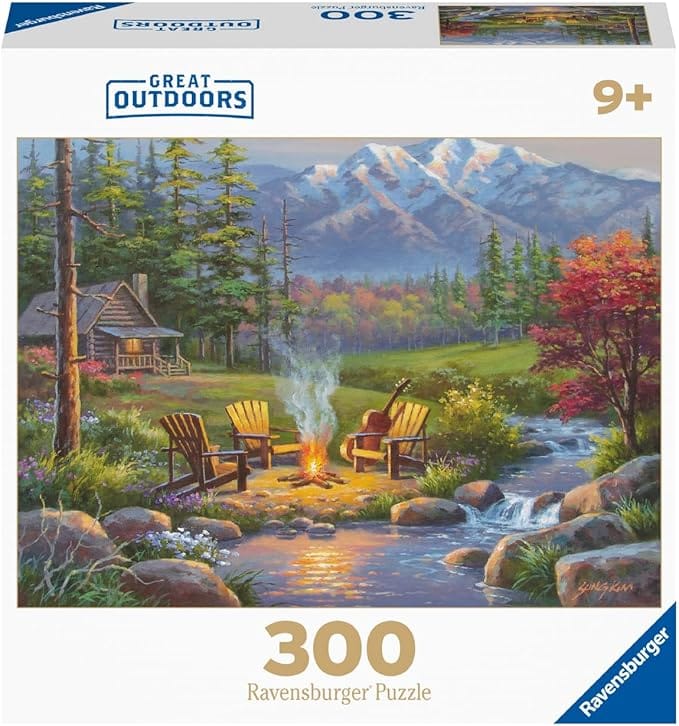
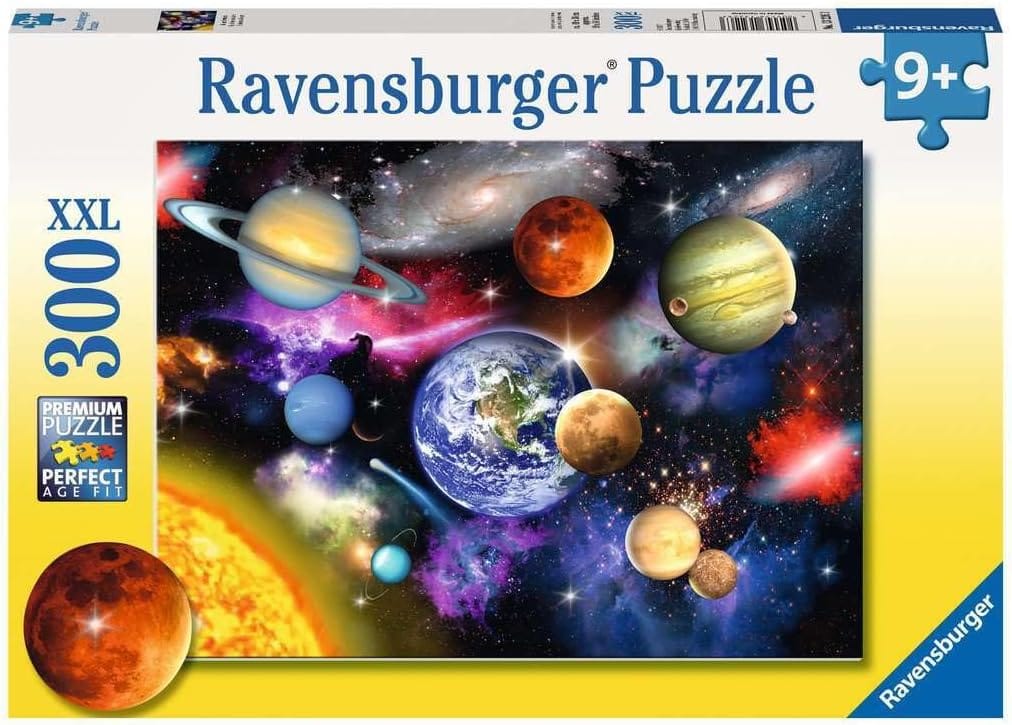
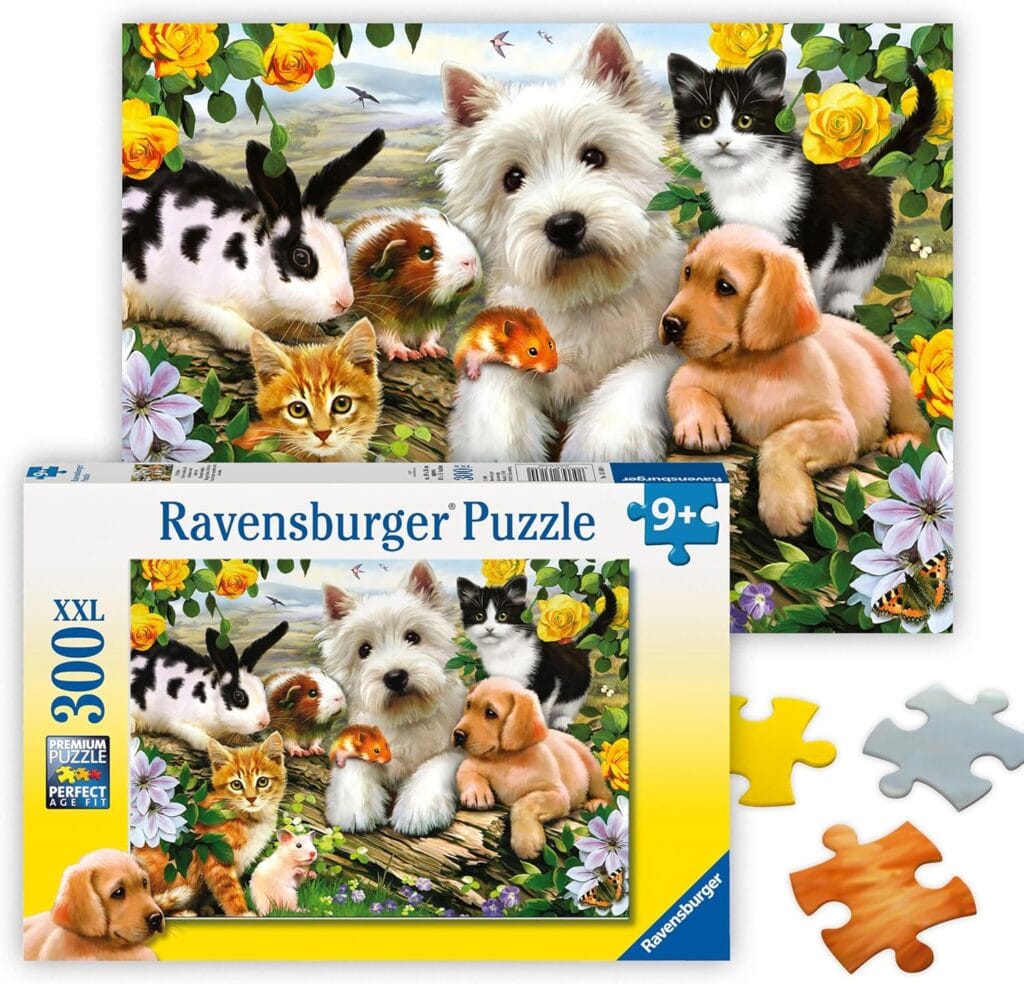
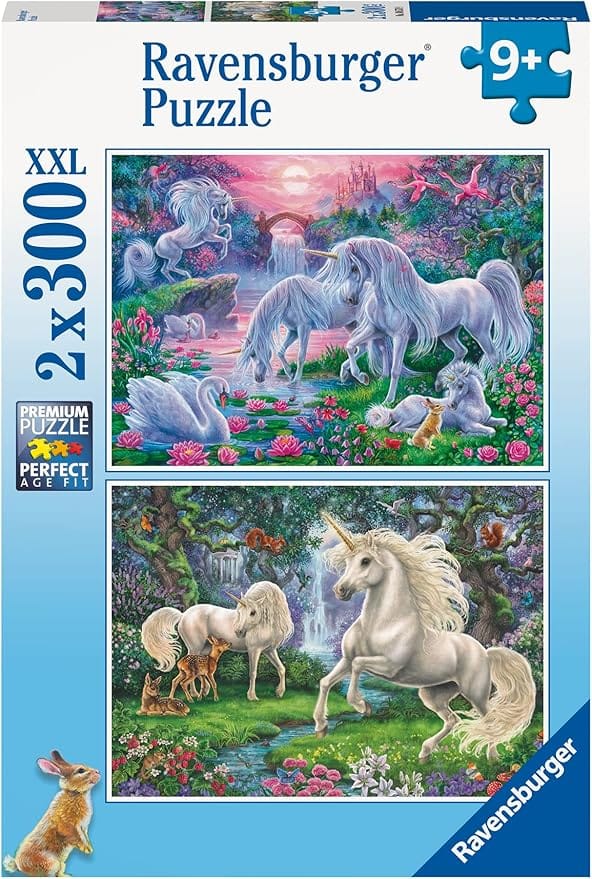
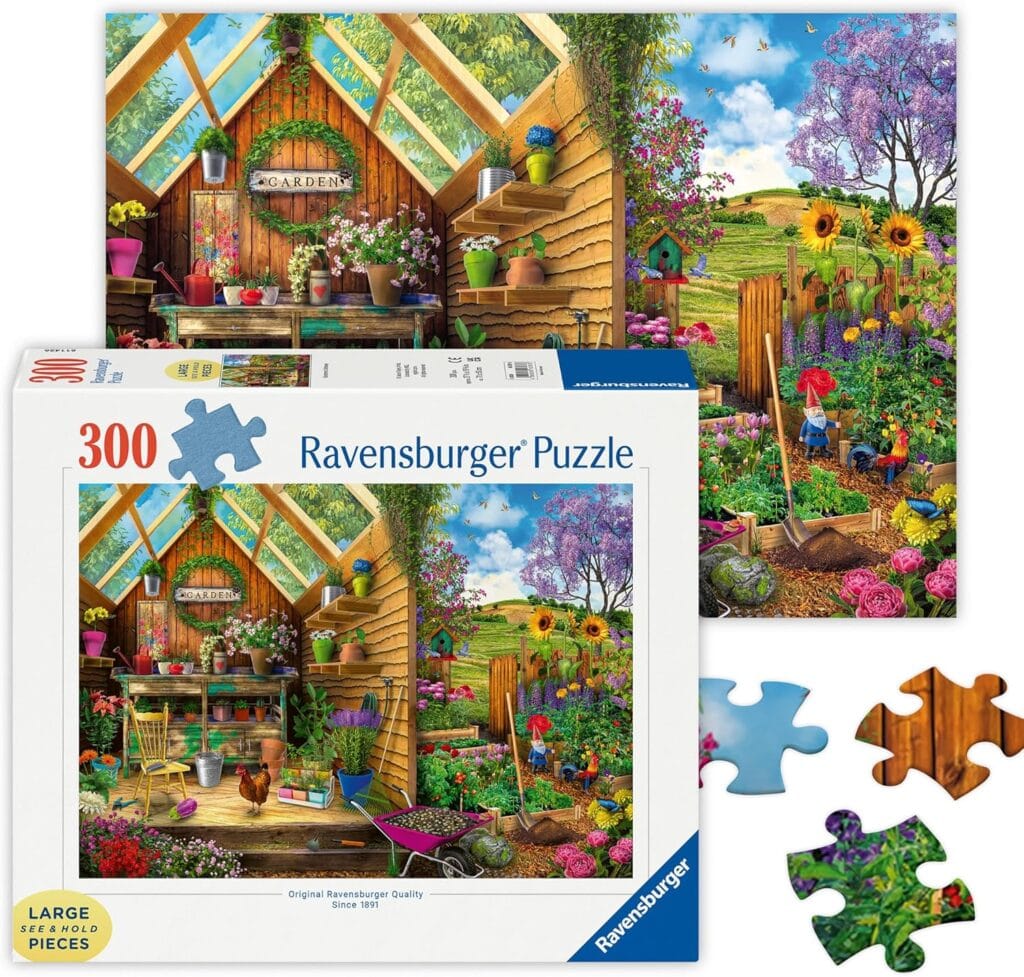
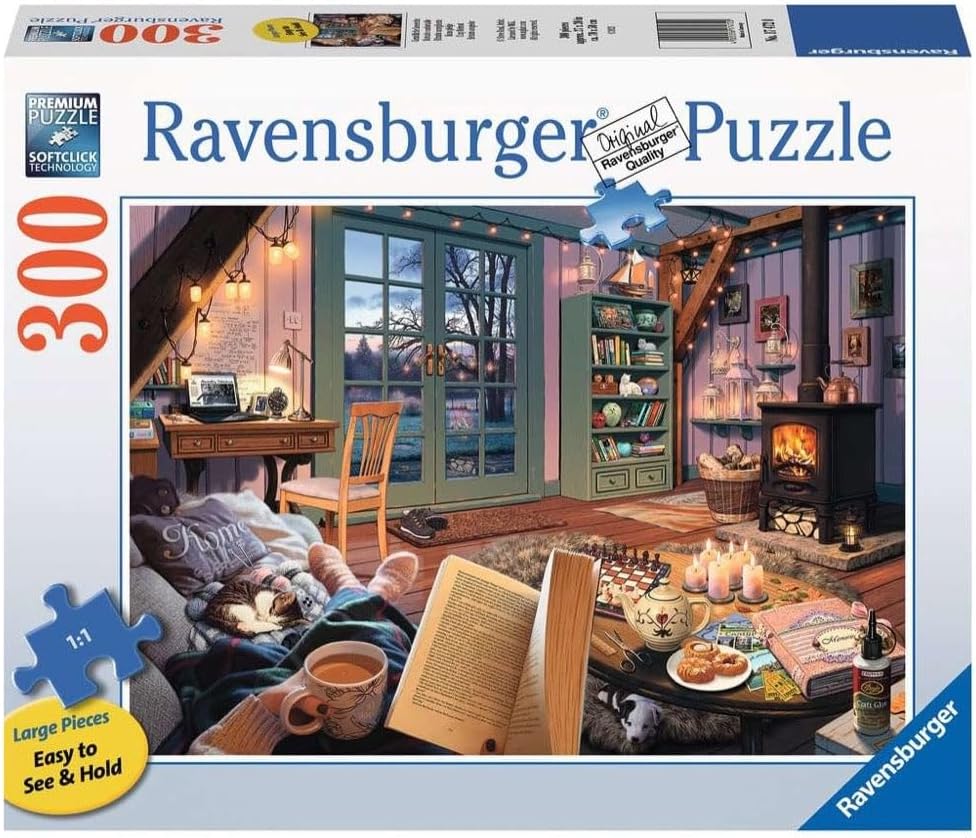
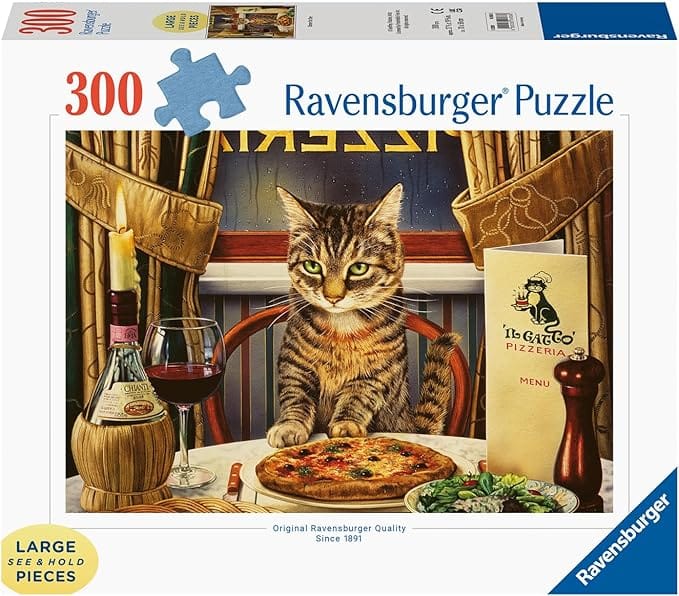
Ravensburger is often the first brand experienced puzzlers mention when asked for a recommendation, and in our testing, it’s easy to understand why. Their pieces are consistently thicker than most competitors — typically around 2mm — and the precision of the cut means pieces fit together with a satisfying snap that’s noticeably different from cheaper alternatives. We found that even after long sessions, assembled sections stay together without pieces popping out unexpectedly, which makes it much easier to work in stages across multiple evenings. Their linen-finish surface reduces glare and makes the colors feel richer. The main trade-off is price: Ravensburger typically runs $15–$25 for a 300-piece puzzle, which is higher than the budget end of the market. For someone who puzzles occasionally, that might feel steep. But for anyone who puzzles with any regularity, the quality difference is hard to argue with.
Best for: Quality-focused puzzlers, gift-givers, and anyone who wants a guaranteed premium experience.
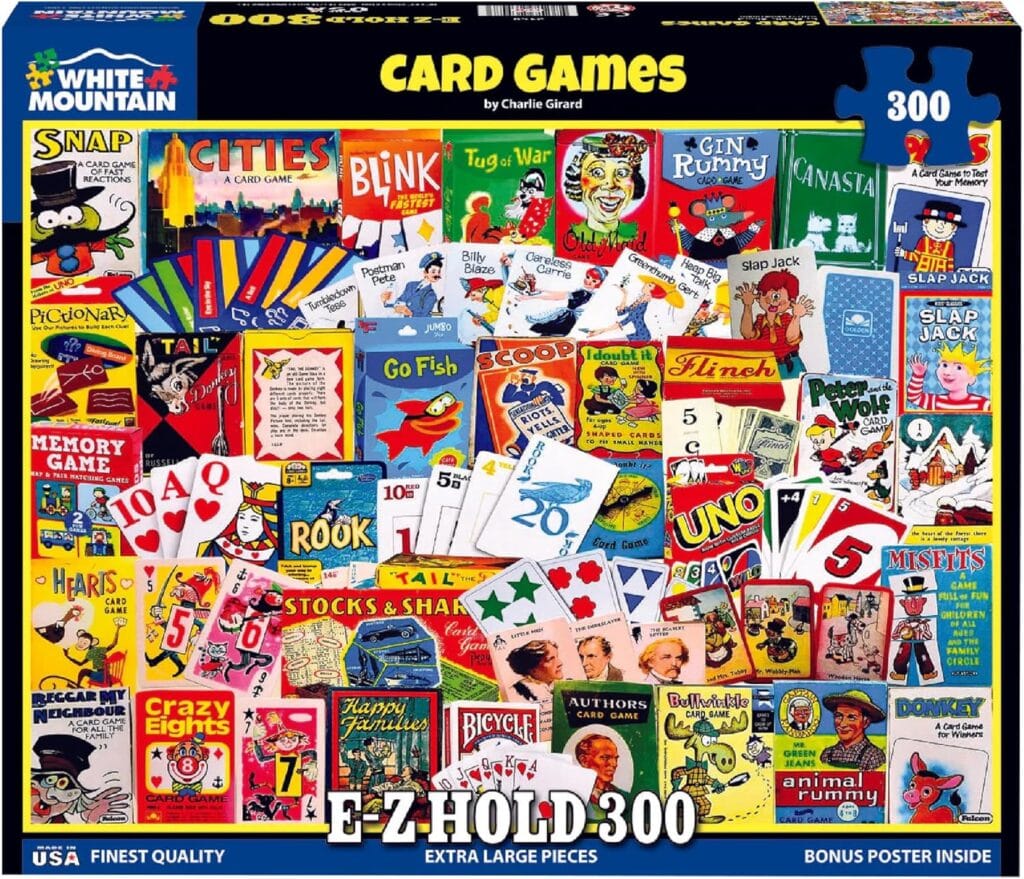
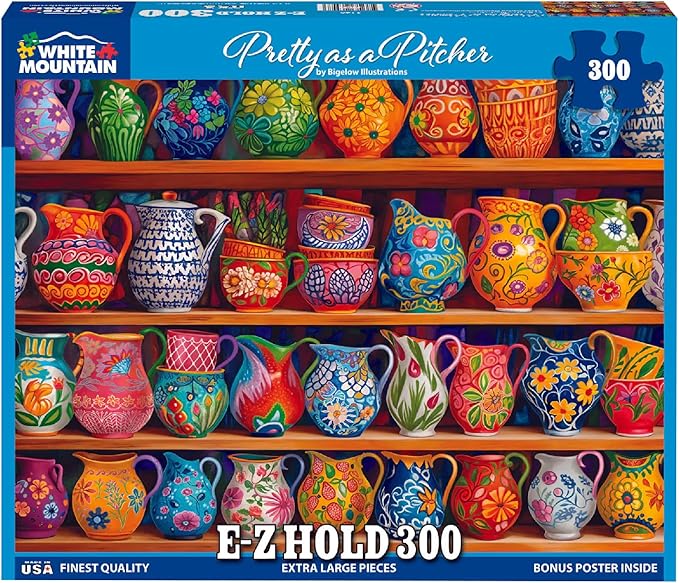
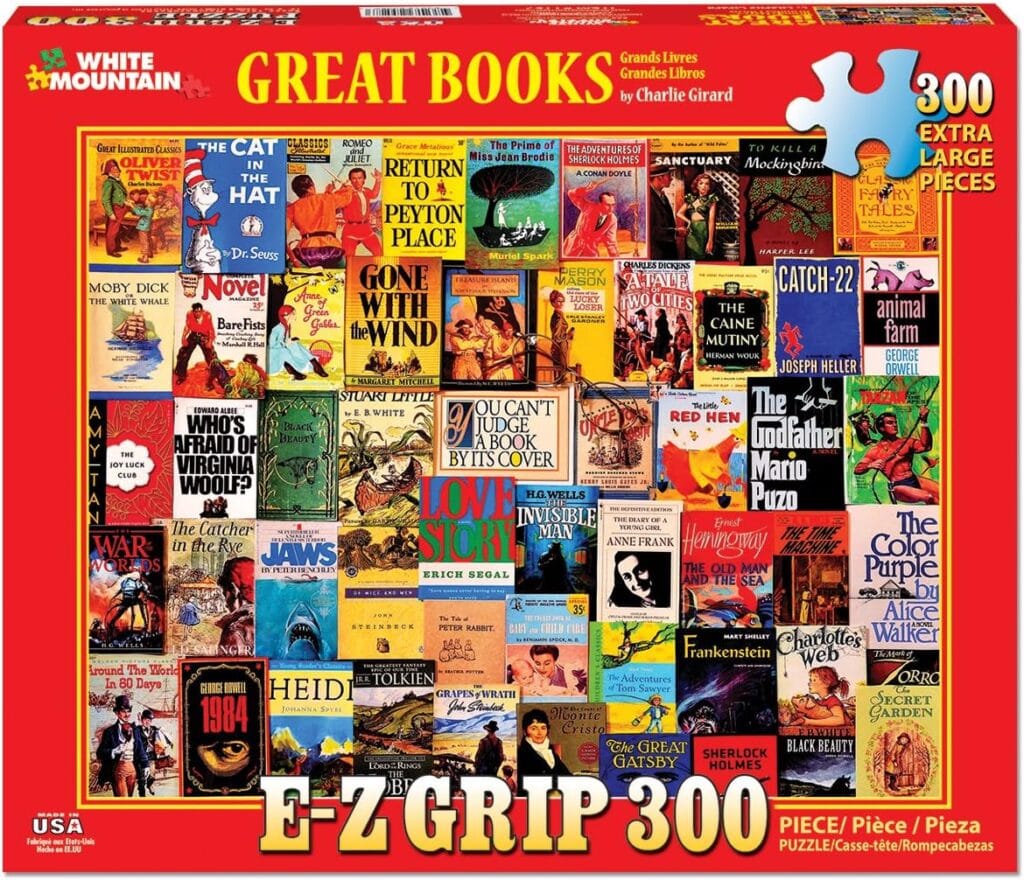
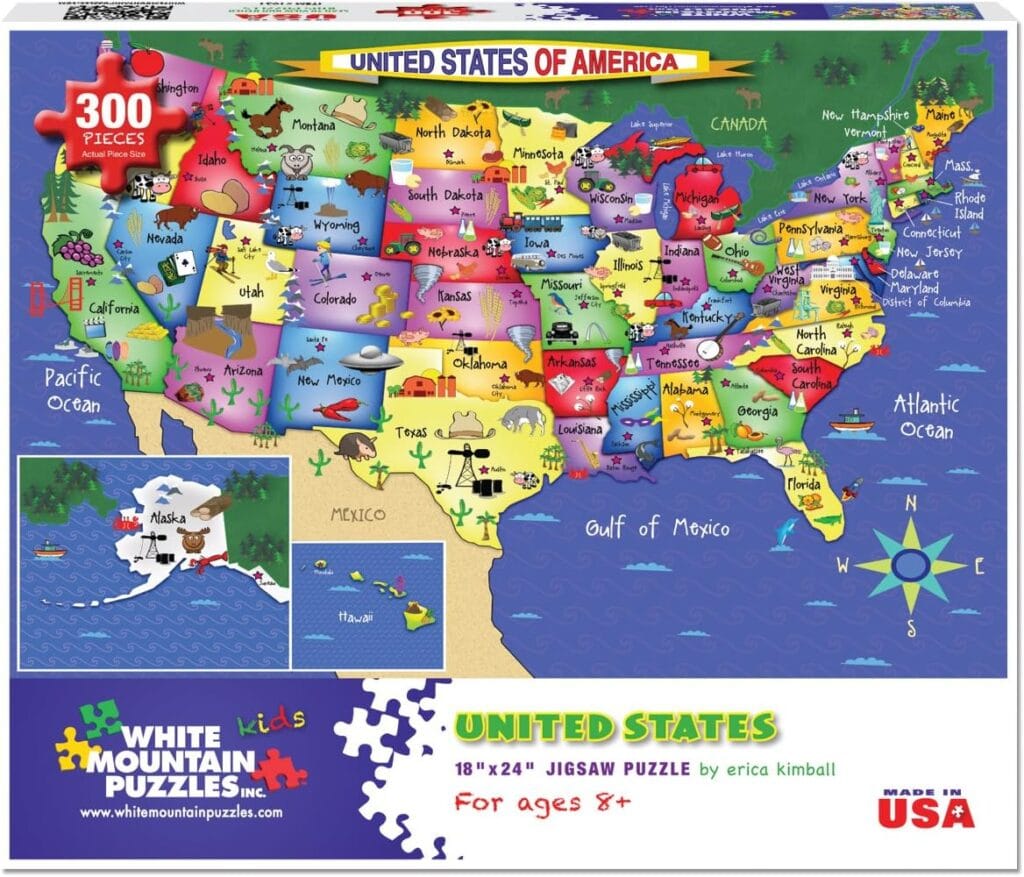
White Mountain has carved out a dedicated following — particularly among adults who grew up in the 70s, 80s, and 90s — by leaning heavily into nostalgic and Americana themes. Their images tend to feature dense, busy compositions: candy shops, general stores, vintage cereal boxes, maps of states and cities. We generally found their print quality to be solid and their cardboard respectable, though a step below Ravensburger in terms of piece thickness. The real draw here is the image library: if you’re buying a puzzle as a gift for someone with a specific nostalgic interest, White Mountain almost certainly has something on point. One caveat worth mentioning: the dense compositions that make their puzzles so visually charming can also make sorting more challenging than the piece count suggests, so they may not be the most beginner-friendly choice even at 300 pieces.
Best for: Nostalgia lovers, families, seniors, and collectors of vintage Americana imagery.
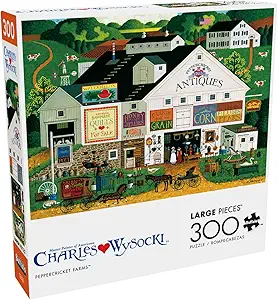
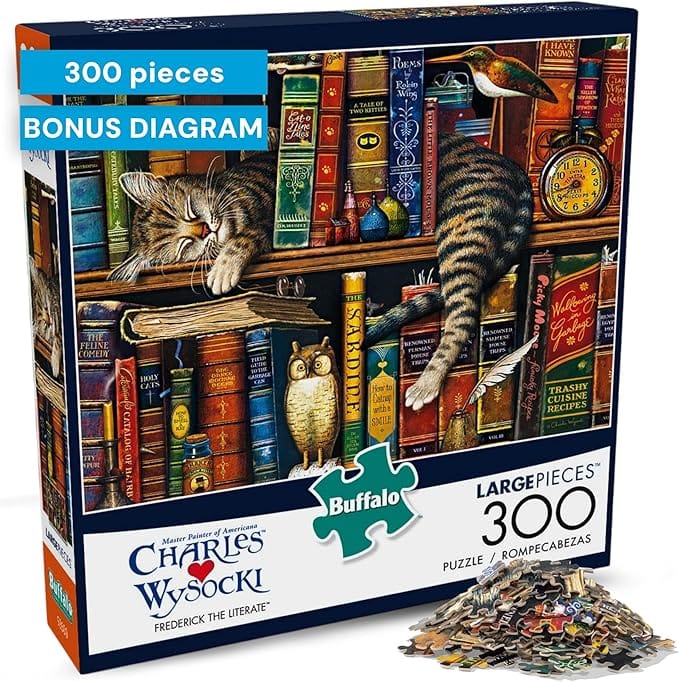
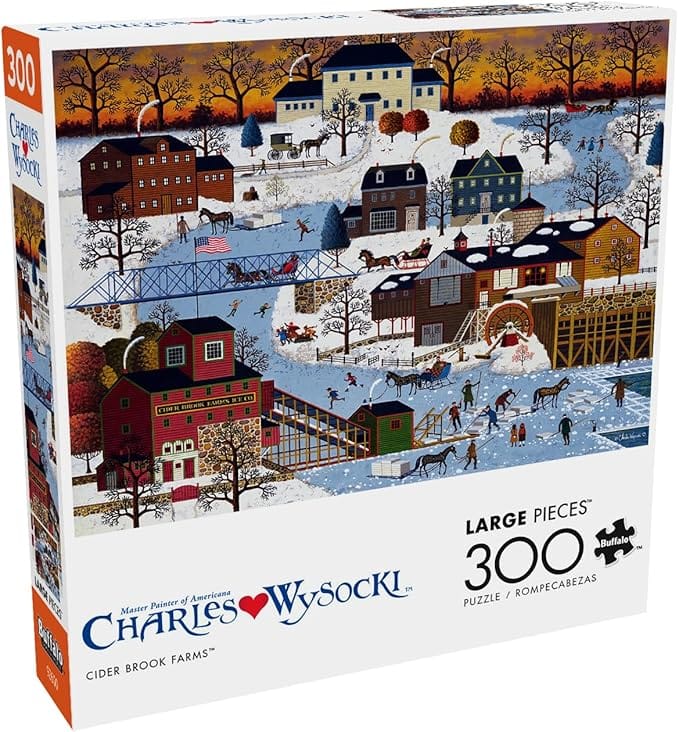
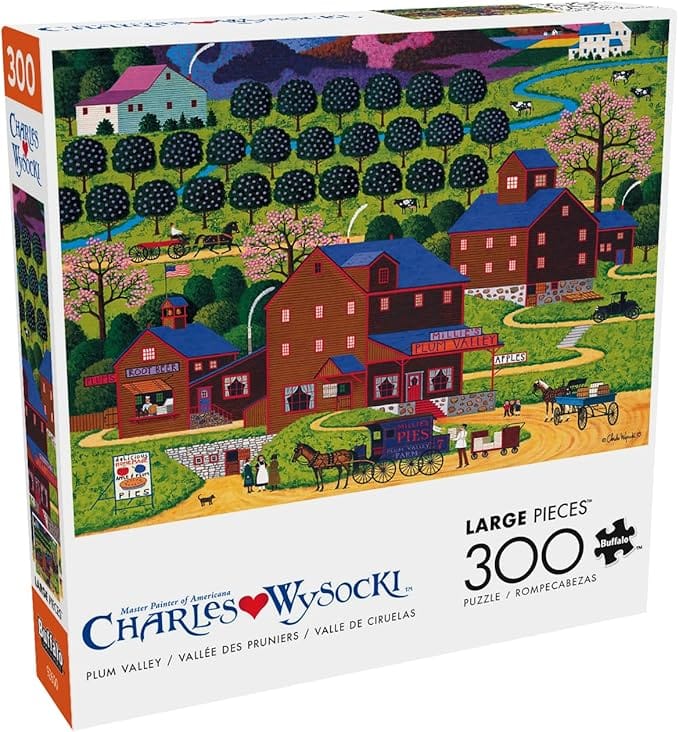
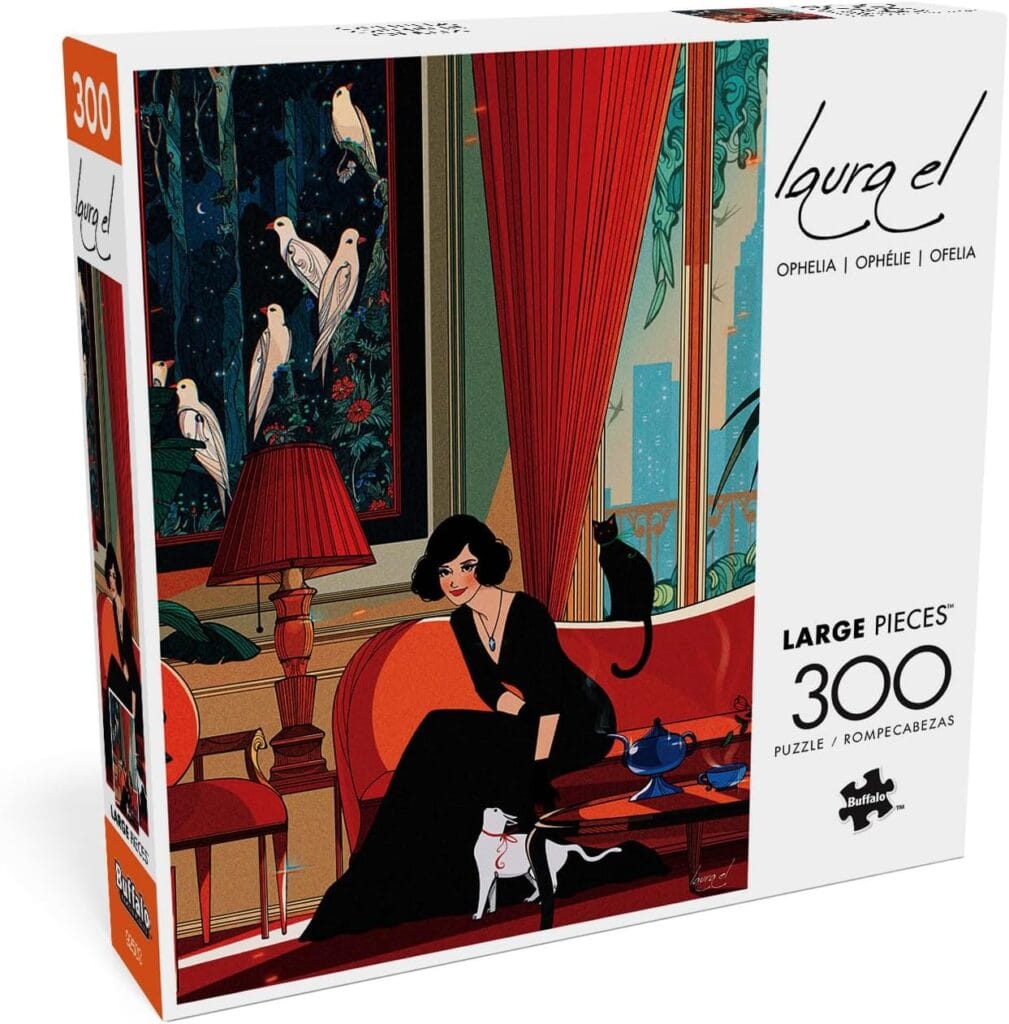
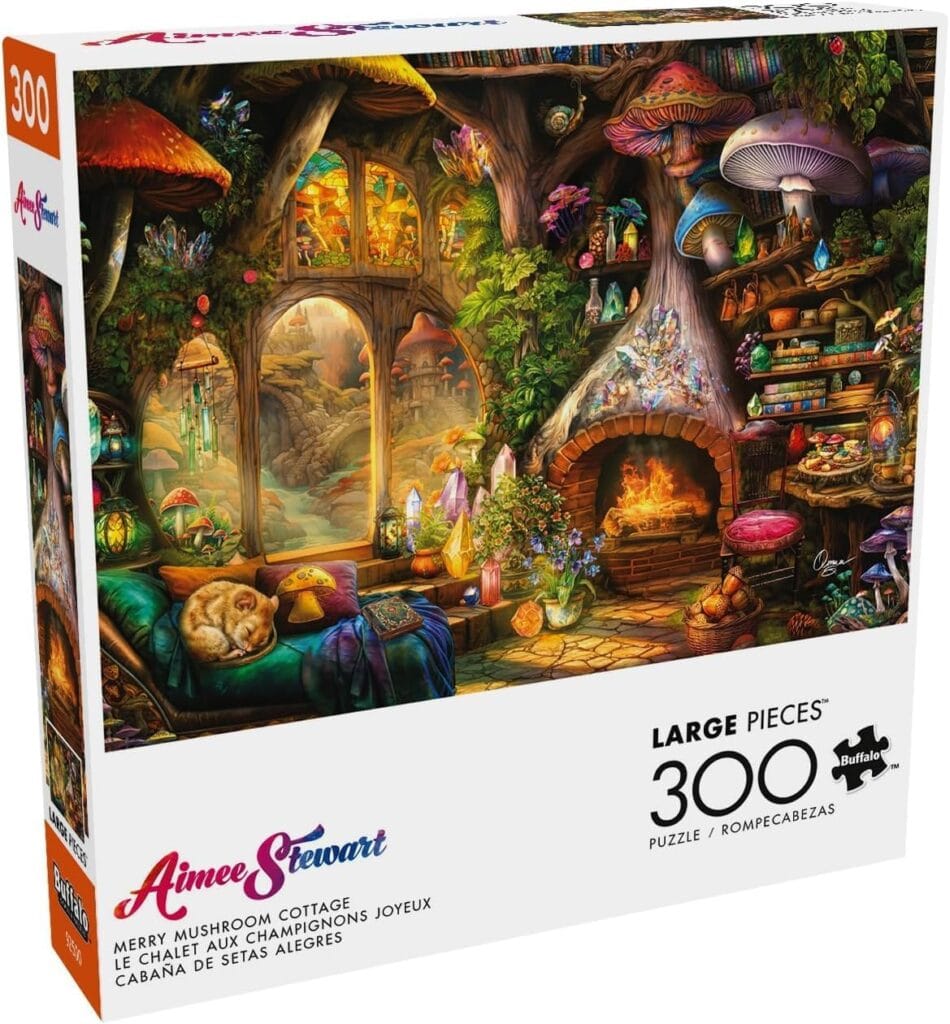
Buffalo Games occupies a useful middle position in the market — noticeably better quality than the cheapest options, and priced more accessibly than premium brands like Ravensburger. In our experience, their pieces feel reasonably sturdy and the fit is generally reliable, though we did occasionally encounter minor false-fits in areas with uniform color or pattern. Where Buffalo Games stands out is variety: they offer a wide range of themes, from licensed artwork and pop culture to nature scenes and food photography, which makes them a good choice if you’re buying for someone whose tastes you’re not entirely sure of. Their Vivid Color Technology, which they use to describe their high-contrast printing, does tend to produce vibrant images that are easy to work with. A solid, dependable choice for most casual puzzlers who don’t want to spend premium prices.
Best for: Value-conscious buyers, casual puzzlers, and anyone who appreciates practical extras like reference posters.
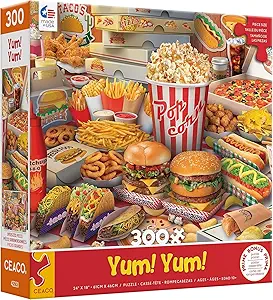
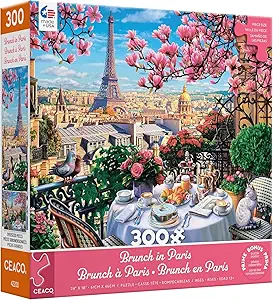
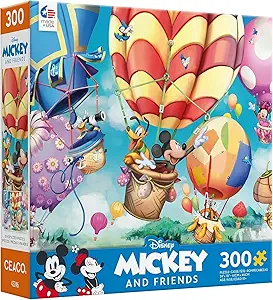
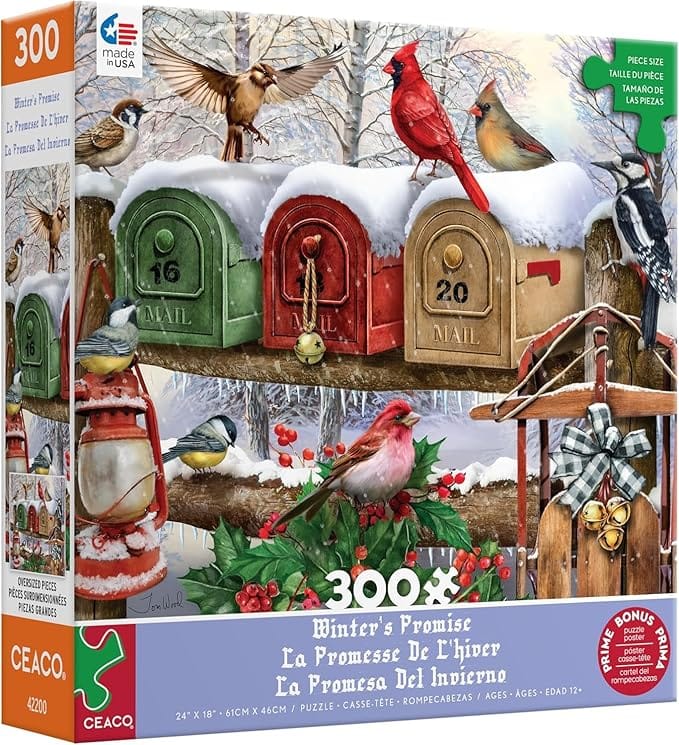
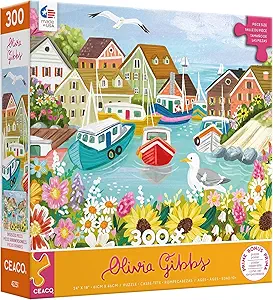
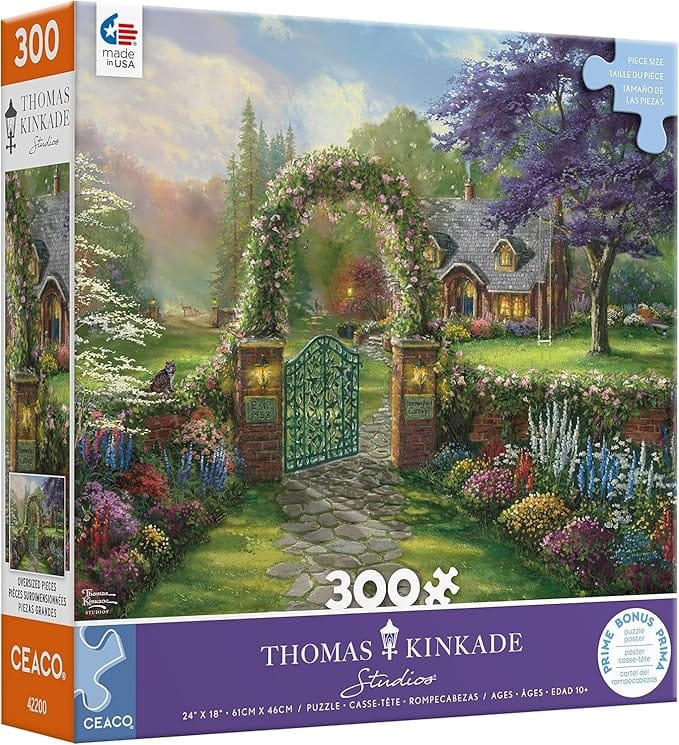
Ceaco is probably best known for their licensed imagery — they work with a range of artists and illustrators, and their catalog includes a lot of vibrant, whimsical designs that you won’t easily find elsewhere. In our testing, we found their puzzles to be generally competent but somewhat inconsistent: the better images in their lineup are fun and distinctive, but the quality of printing and piece manufacturing varies more than we’d like across the range. Some puzzles in their lineup feature a noticeably lighter-weight cardboard that feels a little less satisfying to handle. That said, if a specific Ceaco image appeals to you — their work with artists like Thomas Kinkade or various wildlife illustrators — the puzzle experience is generally good enough to justify the purchase, particularly at their typical price point of $10–$18.
Best for: Art lovers, creatives, and puzzlers who want their finished piece to look great on a wall or display board.
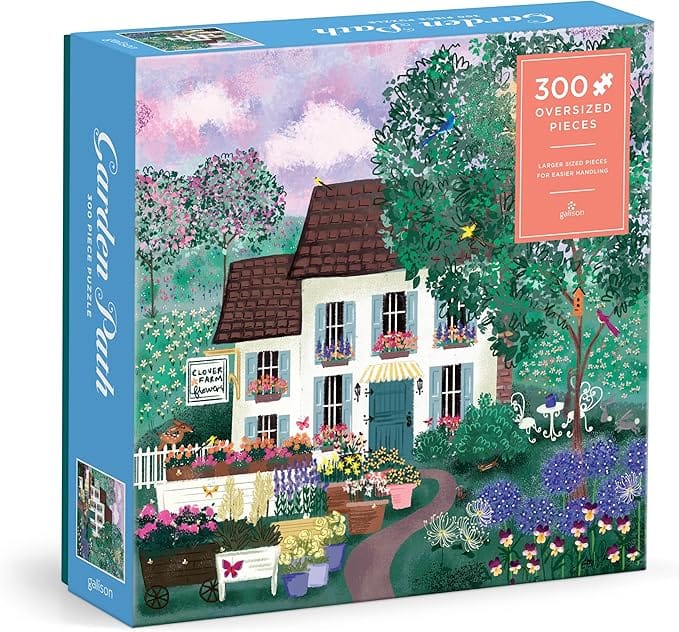
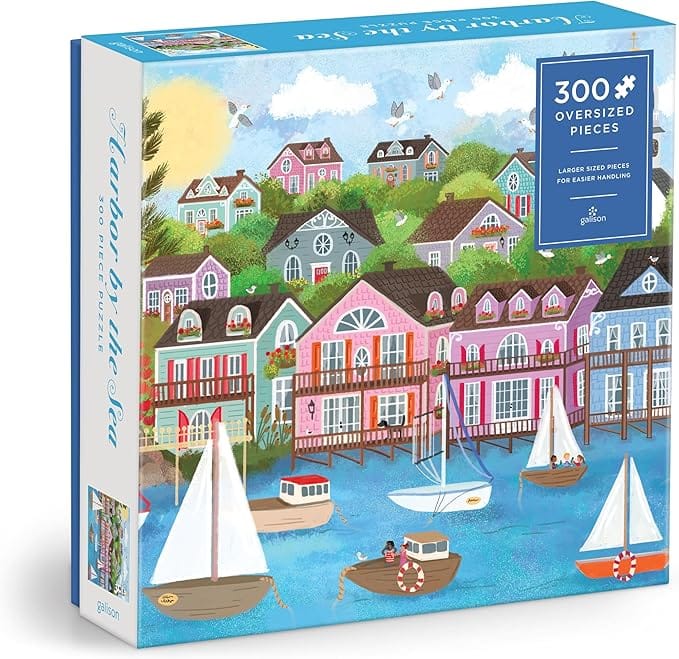
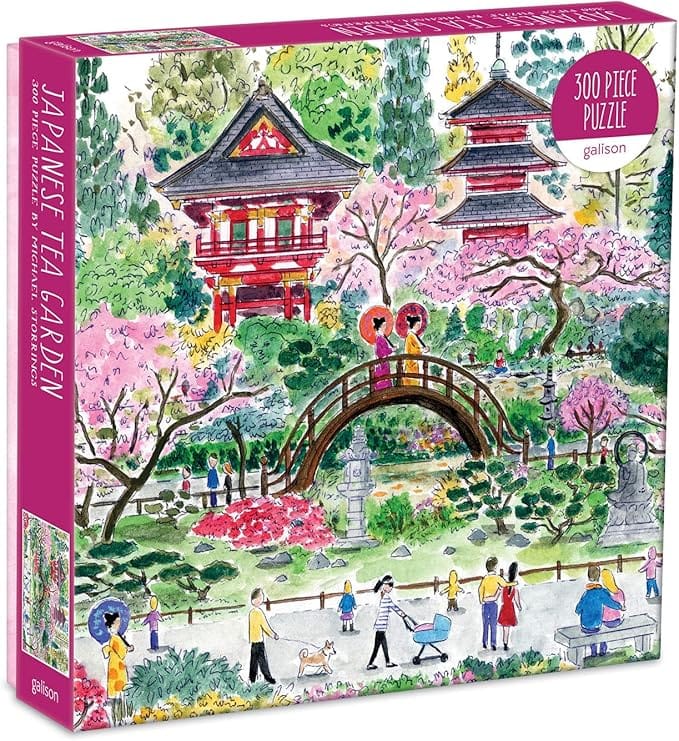
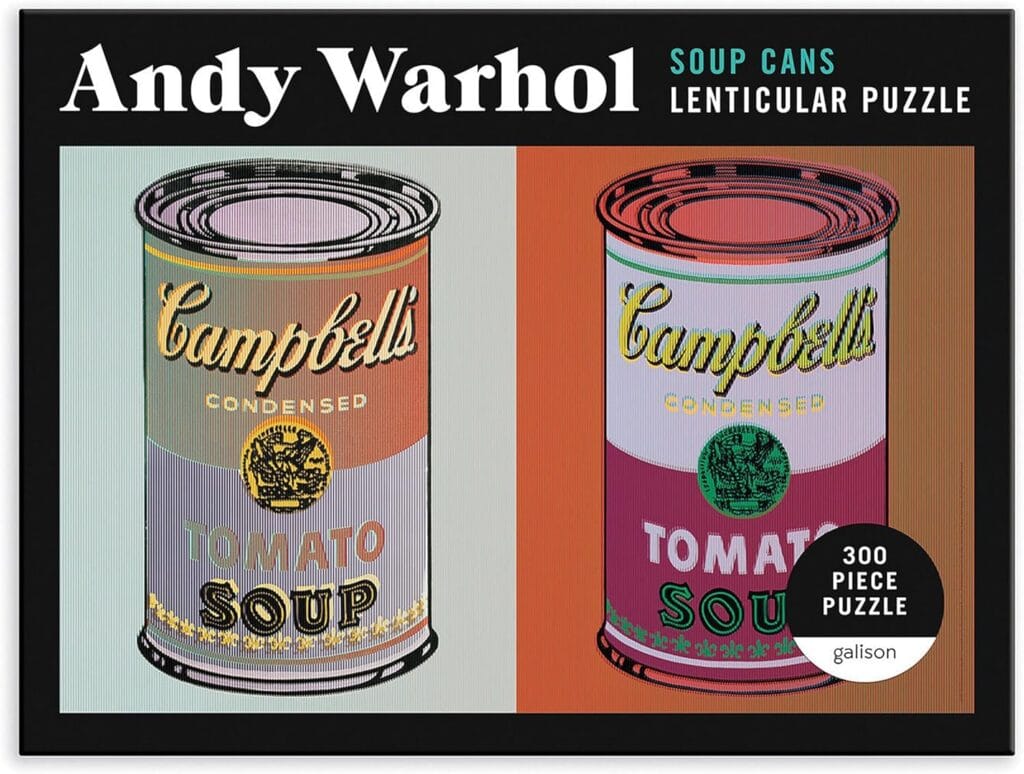
Galison occupies a specific and appealing niche: their puzzles lean toward art and design, frequently featuring patterns, textiles, and licensed museum images that feel like a step above standard puzzle fare. The packaging is notably nicer too — many Galison puzzles come in compact, bookshelf-friendly boxes with a magnetic closure, which makes them attractive as gifts. In our testing, their piece quality is good, though their cardboard tends to be slightly thinner than Ravensburger or Buffalo Games. Where they genuinely excel is image curation: if you’re someone who cares as much about what’s on the box as what’s in it, Galison’s catalog is worth browsing. They’re also a reliable source of “foil” puzzles — designs with metallic accents — which add a subtle but satisfying visual dimension to the finished product. Best suited for design-conscious puzzlers or as a gift for someone who’d appreciate the aesthetic presentation.
Best for: Gift-givers, design enthusiasts, art lovers, and anyone who wants a puzzle that feels curated and special.
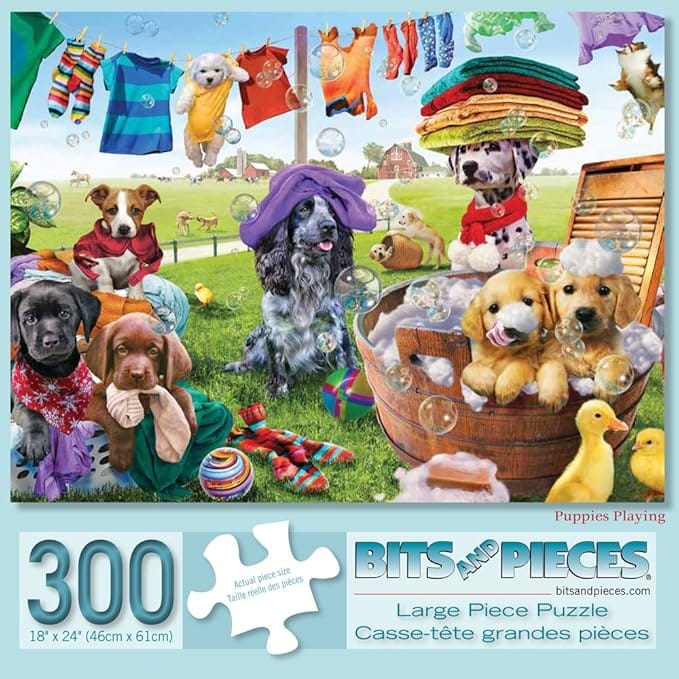

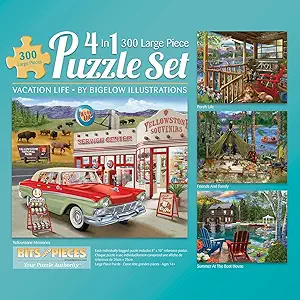
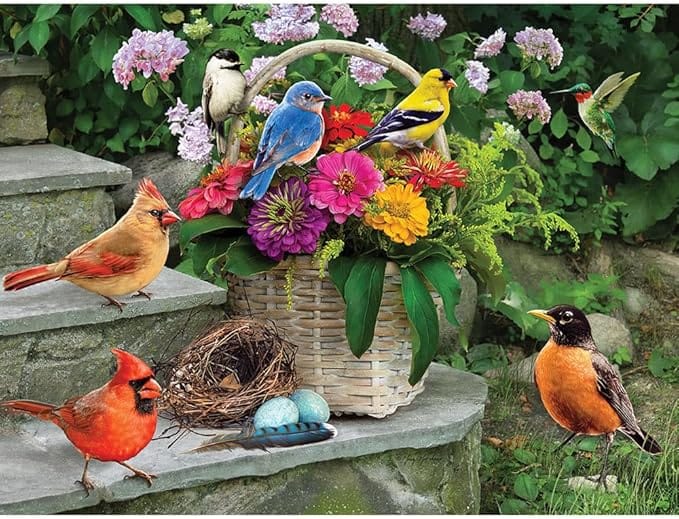
Bits and Pieces is a veteran of the puzzle space, and their catalog — particularly in the 300-piece range — skews toward themes that appeal to older adults: rural landscapes, wildlife, gardening, seasonal scenes, and the occasional humor-driven design. We found their puzzles to be a solid value option, particularly for seniors who want larger piece formats that are easier to handle. Their large-piece 300-count puzzles are among the better options in that specific subcategory. The image quality is generally decent, though we noticed that some of their older designs look a little dated compared to competitors who have more recently refreshed their catalogs. They frequently run promotions and bundle deals, which can make them a very cost-effective option if you’re buying multiple puzzles. Not the most glamorous brand in the space, but a dependable choice for a relaxed, low-pressure puzzling experience.
Best for: Seniors, beginners, families, and anyone looking to build a rotating puzzle collection without overspending.
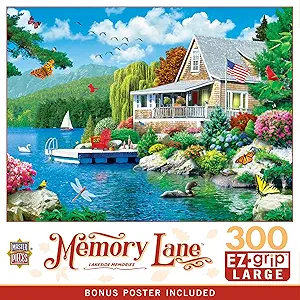
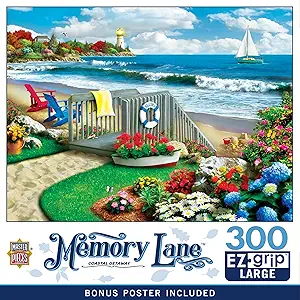
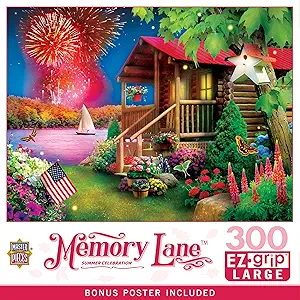
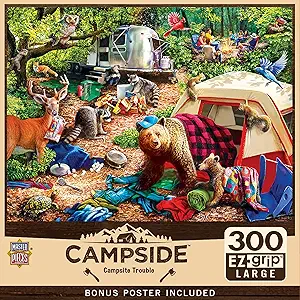
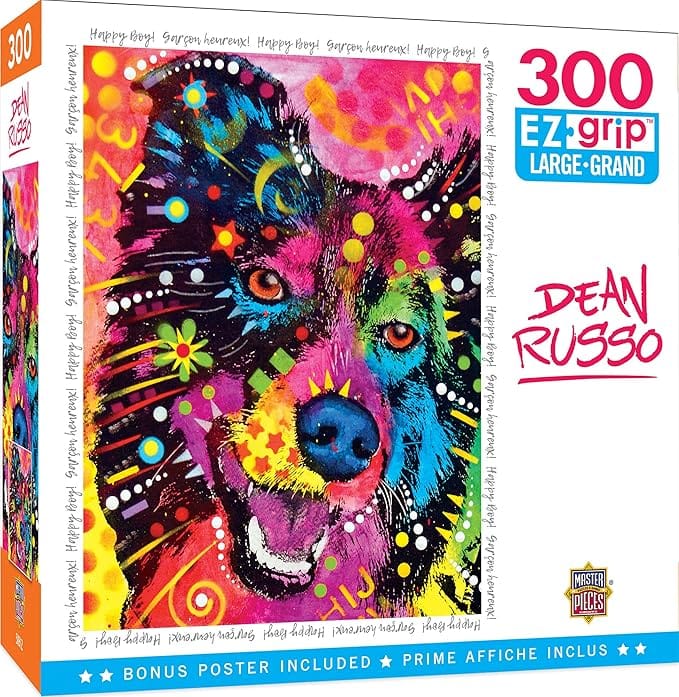
MasterPieces has a broad catalog and tends to serve the licensed imagery market well — sports teams, national parks, and Americana themes appear frequently in their lineup. We found their puzzles to be a reasonable mid-market option, with piece quality that’s generally acceptable and images that tend to be clear and well-printed. One area where they stand out is their use of “EZ Grip” pieces in some of their adult-oriented 300-piece offerings — slightly larger, chunkier pieces that are designed for ease of handling. This makes them a solid choice for older adults or anyone who finds standard-size pieces a little fiddly. The fit is sometimes slightly looser than we’d prefer in assembled sections, meaning things can shift a bit when you try to move a cluster of completed pieces. For fans of their specific themes, though — particularly the sports and national parks imagery — MasterPieces is worth a look.
Best for: Eco-conscious buyers, sports fans, families, and puzzlers who value ethical manufacturing practices.
Who Should Buy a 300-Piece Puzzle?
Before diving into specific brands, it’s worth being honest about who this size is actually right for — because buying the wrong puzzle is a surprisingly common mistake.
300-piece puzzles tend to work well for:
- Beginners who have completed 100– or 200-piece puzzles and want a modest step up
- Older adults or seniors, especially those who appreciate larger, easier-to-handle pieces
- Families with children between roughly 8 and 12 years old
- Casual puzzlers who want to complete something in one or two sittings
- Anyone recovering from illness or looking for low-stakes cognitive engagement
- People with limited table space, since most 300-piece puzzles assemble to around 18″ x 24″
They may feel too easy for:
- Regular puzzlers who typically work at the 1,000-piece level or above
- Adults looking for a multi-day project or something to display afterward
- Anyone who prefers the kind of deep focus that comes with a more intricate piece count
That said, we’ve seen plenty of experienced puzzlers reach for 300-piece formats when they want a relaxing evening rather than a challenge — so there’s no shame in it either direction.
Common Mistakes When Buying 300-Piece Puzzles
Choosing a busy, low-contrast image. A photograph of a dense forest or a pile of autumn leaves might look beautiful on the box, but it becomes torture at the table. Images with identifiable focal points and color variety are much easier to work with.
Underestimating the difficulty of certain themes. “300 pieces” doesn’t always mean “easy.” A 300-piece puzzle of a gradient sky or an abstract painting can be considerably harder than a 500-piece puzzle with lots of visual variety.
Buying purely on price. Budget puzzles often use thinner cardboard and lower-resolution printing. The $8 option might technically have 300 pieces, but the experience tends to be noticeably worse than a $15–$20 puzzle from a reputable brand.
Ignoring the finished dimensions. Make sure you actually have a surface that can accommodate the assembled puzzle before you start. Most 300-piece puzzles finish around 18″ x 24″, which fits a standard card table with a little room to spare — but it’s worth double-checking for puzzle-specific sizing from the brand.
Forgetting to check for large-piece variants. Several brands offer “large piece” versions of their 300-piece puzzles, which use bigger, chunkier pieces designed for seniors, young children, or anyone with limited dexterity. If this matters, look for “Large Piece” or “EZ Grip” designations in the product title.
How to Get the Most Out of Your 300-Piece Puzzle
A few practical notes that tend to make the experience more enjoyable regardless of which brand you choose:
Sort before you start. Even at 300 pieces, taking five minutes to separate edge pieces from interior pieces, and to loosely group interior pieces by color or pattern, will save you significant time and frustration.
Work in good light. This matters more than most people expect. A well-lit workspace — ideally with natural light or a good task lamp — makes color differentiation dramatically easier and reduces eye strain during longer sessions.
Use a puzzle mat or board if you don’t have a dedicated table. Several brands make roll-up puzzle mats that allow you to preserve your progress and store the puzzle without disassembling it. This is particularly useful in households where the dining table needs to be reclaimed between sessions.
Don’t force pieces. If a piece isn’t fitting cleanly, it’s almost always in the wrong spot. Forcing pieces damages the interlocking tabs and can make the finished puzzle look ragged. At 300 pieces, you generally have enough context from the image to know when something is off.
A Note on 300-Piece Puzzles and Cognitive Benefits
There’s a reasonable body of evidence suggesting that regular puzzling has measurable cognitive benefits, particularly for older adults. Puzzle-solving engages spatial reasoning, pattern recognition, short-term memory, and sustained attention. A 300-piece puzzle represents a particularly accessible entry point for seniors who may have found larger puzzles frustrating or who are returning to puzzling after a break. Several occupational therapists and memory care specialists recommend 300-piece formats specifically for patients with early-stage dementia or mild cognitive impairment, noting that the right difficulty level — challenging but completable — is more beneficial than either extreme.