Advertiser Disclosure
We independently review everything we recommend. When you buy through our links, we may earn a commission.
The Best Engine Building Board Games

If you only add one engine-building game to your shelf this year, Wingspan earns that spot. It threads the needle between accessibility and strategic depth better than almost anything else we tested — and it does it wrapped in artwork so gorgeous you’ll want to leave it set up on the table long after the game ends.
That said, Wingspan isn’t the right pick for everyone. If you’re chasing a cutthroat strategy, Stonemaier Games Scythe is a more confrontational experience. If you want something faster and punchier, Fantastic Factories or Arcane Wonders Furnace will serve you better. This guide walks through everything so you can figure out which engine builder is right for your group. Whether you’re new to engine-building board games or already have a shelf full of them, the picks below cover the full spectrum from approachable gateway titles to genuinely demanding strategic experiences.
Everything We Recommend
✅ We recommend these products based on an intensive research process that’s designed to cut through the noise and find the top products in this space. Guided by experts, we spend hours looking into the factors that matter to bring you these selections.
⭐ 2.5 million+ people assisted in the last 30 days ⭐
🏆

The Best Overall
Bird themed engine building game for 1-5 players nature focused wildlife preserve.
Uses dice feeder, egg miniatures, and 170 bird cards engine combos mechanics.
Includes 26 bonus goals, 8 tiles, 60-90 minute playtime, high replayability value.
Award winning 2019 Kennerspiel, solo Automa mode, Stonemaier published title design quality.
💎
Best for Strategic Depth
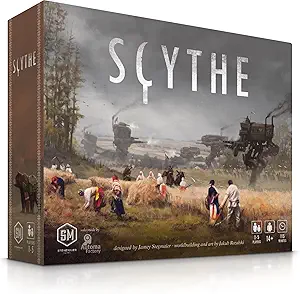
Set in alternate 1920s Europa post war industrial mech fueled conflict world.
Engine building, action selection, 1-5 players, 115 minute game, 5 minute setup.
Asymmetric factions and boards five each, high replayability, low luck encounters cards.
Cold war tension combat Automa solo mode published by Stonemaier Games studio.

Best Thematic Experience
Tuscany vineyard worker placement game for 1-5 players winery management strategy.
Assign seasonal workers summer winter compete for actions expanding vineyard operations.
Includes 45-90 minute gameplay, 5 minute setup, high variability visitor card system.
Designed by Stonemaier, features solo Automa mode, Essential Edition expansion content.
Best Budget Pick
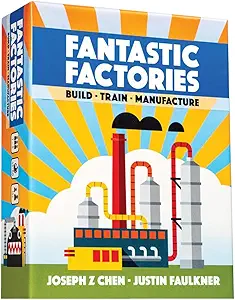
Approachable gateway game with simple iconography, taught in five minutes learning curve.
Easy to learn, 5 minutes to teach, supports solo to 5 players.
High replay value with 40+ unique cards, strategic depth under 1 hour.
Thick, chunky double layered player boards for dice placement supporting solo play.

Best Gateway Game
Strategic gem trading engine-building Renaissance merchants acquire prestige points Splendor game experience.
Build gem empire collecting gems developments noble patrons for victory progression system.
Simple to learn rules fast rounds under one hour gameplay sessions design.
Award winning Splendor anniversary edition designed by Marc André elegant design quality.
Best for Experienced Players Seeking Something New
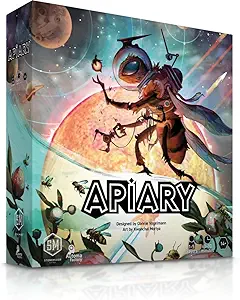
Hive building sci-fi bee game for 1-5 players, 60-90 minutes playtime.
Features 20 factions, 45 seed cards, 15 tiles, high replayability variety system.
Solo Automa mode, positive player interaction, strategic tile placement mechanics design.
Designed by Stonemaier, illustrated space bees, aging mechanics and hive expansion.

Best Mid-Weight Pick
Fast to learn but hard to master industrial strategy game design depth.
Multi stage production chains create layered economic planning and resource flow system.
Unique bidding mechanism where each bid generates profit and strategic advantage.
Historical industrial artwork design by Ivan Lashin Smartphone Inc creator.
Best 2-Player Option
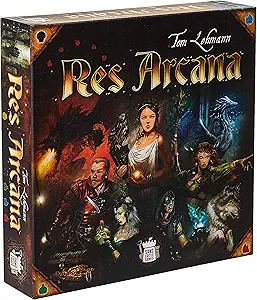
Magical mage duels using five essences: Life, Death, Elan, Calm, and Gold system.
Strategic competition with 8 unique artifacts claiming monuments and power locations.
Innovative resource transformation mechanics offering deep replayability and tactical variety gameplay.
Designed by Tom Lehmann with Julien Delval rich fantasy artwork style.
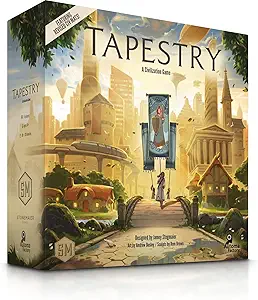
Best for Civilization Fans
Civilization building game spanning history to future with unique asymmetric development paths.
Advance four tracks science technology exploration military earning benefits income and victory points.
Includes 3D painted landmarks, 1-5 players, 90-120 minute gameplay, immersive tactile experience.
Designed by Jamey Stegmaier with Automa solo mode and high replayability civilizations.
How We Tested These Games
We spent several months playing and replaying more than twenty engine-building titles across groups of varying sizes and experience levels. Our testing team ranged from casual weekend gamers to veterans with hundreds of hours. We prioritized widely available games, had reasonable price points, and delivered a satisfying experience across multiple play sessions — not just a flashy first impression.
We also paid close attention to rulebook quality, setup time, component feel, and how well the games held up after five or ten plays. A great engine builder should reveal new strategies over time, not wear out its welcome after two sessions.
What Is an Engine-Building Board Game?
Before we get into the picks, it’s worth spending a moment on what actually makes a game an “engine builder.” The short version: you start with almost nothing and gradually build a system of interconnected actions, cards, or resources that produces more and more output with each passing turn. The engine is the point — the satisfaction of watching your little machine hum along by the end of the game is why people keep coming back to this genre.
Engine-building games have grown from a niche subcategory into one of the most popular mechanics in modern tabletop design. The genre spans everything from light 30-minute card games to sprawling four-hour strategic epics. Engine-building board games also tend to reward players who enjoy planning, since the most satisfying engines rarely come together by accident — they’re built through deliberate, turn-by-turn decisions that compound over time. Knowing where on that spectrum you want to play is the first step to choosing the right game.
Our Recommended Engine-Building Board Games
Players: 1–5 | Playtime: 40–70 min | Complexity: Medium
Pros: Stunning artwork and component quality; accessible rules with meaningful strategic depth; strong solo mode; excellent replayability thanks to a 170+ bird card deck.
Cons: Some players find the engine peaks right as the game ends; the bird-themed theme won’t resonate with everyone; it can feel competitive-light for players who want direct conflict.
Wingspan surprised every single one of us during testing — and not in the way we expected. Going in, we thought the bird-sanctuary theme might feel like a novelty coated over a dry resource loop. What we found instead was one of the most thoughtfully designed engine builders we’d ever played. Each bird card you add to a habitat doesn’t just give you a static bonus — it amplifies what that entire habitat does on every future activation. By the midgame, you’re watching your own little ecological system fire off chain reactions you barely planned for, and that feeling is genuinely hard to replicate. The linen cards, the detailed bird illustrations, and the hollow wooden egg pieces make every action feel tactile and intentional. Designer Elizabeth Hargrave built a game that teaches you its mechanics almost without you noticing, which is a rare skill. With over a million copies sold worldwide, Wingspan has earned its reputation — but playing it for yourself still feels like discovering something special. It’s the game we’d hand to a skeptical non-gamer first, and also the one we’d happily play the same evening again.
Players: 1–5 | Playtime: 90–115 min | Complexity: Medium-High
Pros: Extraordinary production quality; asymmetric factions create drastically different play experiences; engine building paired with area control adds tension; superb solo mode.
Cons: Setup is involved and time-consuming; the rule book has a learning curve; some factions feel stronger than others out of the box.
Scythe is the game on this list that generates the most table talk — and the most table conflict. Set in an alternate-history 1920s Europa where animal-piloted mechs roam the countryside, Scythe layers its engine-building across a map, which fundamentally changes the feel. You’re not just optimizing a card system in a vacuum; you’re watching what your opponents are doing, threatening their territory, and making calculated decisions about when to push your engine and when to pivot to combat. What made us appreciate Scythe more over repeated plays was realizing how tight the economy is — the game is won or lost by a handful of clever decisions, not a lucky card draw. Each of the seven asymmetric factions plays meaningfully differently, so even after a dozen games, you’re rarely doing the same thing twice. The component quality is exceptional: chunky custom mechs, thick player mats, and a central board large enough to feel genuinely grand. It takes a session or two to internalize the rules, but once it clicks, Scythe becomes the kind of game people plan their weekends around.
Players: 1–6 | Playtime: 45–90 min | Complexity: Medium
Pros: Beautiful, cohesive vineyard theme; satisfying seasonal structure; approachable for new players; included Tuscany elements add welcome variety; excellent with 2–4 players.
Cons: Visitor card luck can swing outcomes; at higher player counts, downtime between turns increases noticeably; the engine can feel slow to develop compared to other games on this list.
If Wingspan is the game that proves engine building can be warm and welcoming, Viticulture Essential Edition is the game that proves it can also be genuinely romantic. You’re building a winery in Tuscany — planting vines, harvesting grapes, aging wine, and fulfilling orders — and the seasonal structure of the game means your engine doesn’t just grow, it breathes. Summer and winter feel mechanically distinct, and the Grande worker mechanic (which lets you claim a spot even when it’s full) creates just enough push-and-pull to keep every decision interesting. During testing, we noticed that players who don’t usually gravitate toward strategy games got pulled in almost immediately by the theme, and then stayed for the satisfying optimization. The Essential Edition thoughtfully folds in content from the Tuscany expansion, giving you a richer, more variable game right out of the box. It’s not without flaws — visitor card variance can occasionally feel punishing — but the overall experience is warm, coherent, and deeply satisfying in the way only the best tabletop games manage to be.
Players: 1–5 | Playtime: 45–75 min | Complexity: Medium-Light
Pros: Genuinely clever dice-as-workers mechanic; competitive price point; plays quickly once you know it; lots of card variety keeps it fresh; works well at most player counts.
Cons: Dice mitigation is limited; the industrial theme is functional but not particularly evocative; lighter players may find the card interactions hard to parse on first play.
Fantastic Factories was one of our pleasant surprises during testing. On paper, it looks like a mid-tier game you’d overlook in a busy hobby store, but once it hits the table, the dice-as-workers mechanic reveals a genuinely thoughtful design. You’re rolling dice and assigning them to factory cards based on their face values — a two goes here, a four goes there — and the challenge is building a factory floor where as many dice as possible find productive work on every turn. There’s real tension in drafting new cards from the market: you’re constantly weighing what your current engine needs against what might unlock a more powerful combo later. We played it at two, three, and four players and found it scaled cleanly at each count. The game moves fast once players understand the card interactions, making it a great choice for groups who want an engine builder that doesn’t demand a full evening. For the price, it punches well above its weight.
Players: 2–4 | Playtime: 30 min | Complexity: Light
Pros: Genuinely quick to learn; elegant, distilled engine loop; works with non-gamers; satisfying poker chip components; plays in under 30 minutes.
Cons: Engine peaks quickly, and the game can end just as things get interesting; limited interaction between players; lacks the depth to hold experienced gamers long-term.
Splendor is the game we reach for when someone at the table says, “I’m not really into complicated games.” The core loop — collect gem tokens, spend them on cards, use those cards as permanent gems — is clean enough to explain in three minutes and intuitive enough that most players grasp it by the end of their first turn. What we kept coming back to during testing, though, was how much tension Splendor packs into its simple frame. Watching an opponent claim the card you needed, or timing a Noble tile pickup just right, produces real drama despite the light rules. The tactile poker chip tokens are consistently the first thing new players comment on — they feel premium in a way that sets expectations correctly. Splendor won’t satisfy players looking for multi-hour strategic depth, and it won’t hold the interest of experienced gamers for dozens of sessions. But as a first engine builder for a mixed group, or as a quick warm-up before a heavier game, it remains one of the most reliable choices you can make.
Players: 1–5 | Playtime: 60–90 min | Complexity: Medium-High
Pros: Beautifully executed bee-colony theme; innovative hibernation/dormancy mechanic adds a strategic wrinkle not found elsewhere; strong asymmetric starting conditions; high-quality components.
Cons: Higher complexity than it initially appears; the hibernation mechanic can be disorienting for first-time players; less widely known, which means finding other players familiar with the rules can be harder.
Apiary is the sleeper hit of our testing process, and the one game we kept bringing back to the table when we wanted something that felt genuinely fresh. You’re managing a hive of bees — sending workers out, gathering resources, developing your colony — but the dormancy mechanic is what sets it apart from everything else on this list. Your worker bees accumulate pollen as they work, and once they’re too loaded down, they hibernate and are replaced by stronger, more capable versions. It’s an elegant metaphor for progression, and it changes the strategic calculus in ways that took us several plays to fully appreciate. The asymmetric hive types mean no two groups’ games look quite alike, and the action selection is tight enough that you’re rarely sitting idle, wondering what to do. Designer Connie Vogelmann built something here that rewards careful play without punishing new players too harshly. If you’ve played most of the games on this list and are craving something that challenges your assumptions about how engine building can work, Apiary is where we’d send you.
Players: 2–4 | Playtime: 60–90 min | Complexity: Medium
Pros: Brilliant auction mechanic creates meaningful player interaction; Industrial Revolution theme is well-executed; production chain system rewards long-term planning; plays cleanly at all supported player counts.
Cons: Four-player games can run long; the auction phase can feel punishing for newer players; not widely distributed, so you may need to seek it out.
Furnace hits a sweet spot that’s genuinely hard to find: an engine builder with built-in player interaction that doesn’t feel tacked on. Set during the Industrial Revolution, you’re bidding on industrial cards — factories, oil refineries, foundries — and assembling a production chain that converts raw materials into finished goods and ultimately into money. The auction is the heart of the game, and it’s clever: when you’re outbid, you don’t walk away empty-handed. You receive compensation based on the tokens your opponents placed, which means every round has something at stake, regardless of who wins what. During testing, we found this compensation mechanism did a lot of quiet work to keep everyone engaged and prevent runaway leader syndrome. The production chain visualization, where you watch resources flow through your little industrial empire, scratches the same itch as watching a well-constructed combo fire in any other engine builder — except here you designed a factory to do it. Furnace is the game we’d recommend to the player who liked Splendor but wishes it had more meat on its bones.
Players: 2–4 | Playtime: 20–60 min | Complexity: Medium
Pros: Plays remarkably quickly once learned; tight card economy creates fascinating decisions from a small hand; exceptional at two players; distinctive essence-management system; high replayability from a compact box.
Cons: Rules explanation is confusing at first; card text density can overwhelm new players; luck of the draw matters in the early game.
Res Arcana is, by the designers’ own description, a game that probably shouldn’t work — and yet it does, brilliantly. You start with a hand of just eight cards, representing alchemical artifacts and magical creatures, and you spend the game building an engine out of that limited toolkit. The essence mechanic — managing five different types of magical resources — creates a puzzle that feels specific to your exact combination of cards every single game. We played Res Arcana more than almost anything else during testing, largely because it plays in under an hour once everyone knows the rules, and no two games feel alike. The two-player experience is particularly strong: the card drafting and monument competition become intensely focused without the noise of extra players. It’s the game on this list that surprised us most by how much it accomplishes within such a compact design. The components are small but attractive, and the rulebook — while initially daunting — makes more sense after one full play-through. For couples or two-player households looking for a meaty engine builder that doesn’t demand a full evening, Res Arcana earns a permanent spot on the shelf.
Players: 1–5 | Playtime: 90–120 min | Complexity: Medium-High
Pros: Sweeping civilization-building scope; gorgeous production values with unique 3D landmark buildings; asymmetric civilizations and tapestry cards ensure high variability; deeply satisfying sense of progression.
Cons: Significant balance debates in the community around certain civilizations; setup time is considerable; income rounds can slow the pacing at higher player counts.
Tapestry is the most ambitious game on this list, and also the most divisive — which, honestly, is part of what makes it interesting. You’re guiding a civilization through time, advancing on technology, science, exploration, and military tracks, each of which unlocks increasingly powerful rewards and feeds your growing engine. The 3D landmark buildings you construct over the course of a game are some of the most visually striking components in the hobby, and assembling them as your civilization grows adds a physical storytelling quality that most engine builders lack. During testing, the games that landed best were those where players leaned into the narrative: your civilization went to space before developing agriculture, your rivals built an empire on military conquest while you quietly advanced your tech tree. The engine that emerges feels personal in a way that’s hard to quantify. Tapestry does have balance rough edges — some civilizations are noticeably stronger than others, which matters if you’re playing competitively — but for groups who prioritize experience over optimized fairness, it’s a spectacular table presence that tends to leave everyone with stories to tell afterward.
Which Engine-Building Game Should You Buy?
Choosing the right engine builder comes down to your group’s experience level, how much time you have, and how much conflict you want at the table. The good news is that engine-building board games now span a remarkably wide range of complexity and playtime, so there’s a genuine entry point for almost every type of player. Here’s how we’d break it down.
If you’re new to engine-building games and want something approachable that you can teach in under ten minutes, start with Splendor. It strips the genre down to its essentials and won’t overwhelm anyone. Once your group is comfortable with the basic loop, Wingspan makes an excellent step up — it’s more complex but teaches itself naturally through play.
If you have a regular game group that’s already comfortable with medium-weight games, Viticulture Essential Edition or Fantastic Factories are strong choices that reward repeated plays without demanding a huge time commitment. Both scale well across player counts and have enough card variety to stay fresh for months.
If you want the deepest strategic experience, Scythe and Tapestry are where to look. Scythe is the more tightly balanced of the two and handles competitive play well; Tapestry is the richer narrative experience but requires more tolerance for asymmetric balance variance.
If you mostly play with two players, Res Arcana is worth seeking out specifically for that configuration. It’s compact, fast, and produces some of the most interesting decisions per minute of any game on this list.
If you’re an experienced gamer looking for something fresh, Apiary and Furnace both offer mechanics you won’t find done quite this way anywhere else. Apiary for the dormancy innovation; Furnace for the auction-as-interaction design.
One last note: all of the Stonemaier Games titles on this list — Wingspan, Scythe, Viticulture, Apiary, and Tapestry — benefit from the company’s excellent customer service and replacement part policy. If a component arrives damaged or goes missing, they’ll typically replace it without hassle. That kind of post-purchase support matters more than people realize when you’re buying a premium game.
Games We Tested But Didn't Recommend
Part of doing this work honestly means being upfront about what didn’t make the cut and why.
Dominion is often credited as the game that popularized deck-building (a closely related mechanic), and while we respect its history, it felt dated compared to modern options. The lack of a physical board makes spatial reasoning harder, and the newer games in our list do more interesting things with the same core idea.
Century: Spice Road is pleasant and approachable, but after a handful of plays, it starts to feel thin. The resource conversion loop is satisfying early on, then the game ends just when things get interesting. It would have been a stronger recommendation five years ago.
Gizmos has an appealing Rube Goldberg charm, but the scoring felt opaque during testing, and the plastic marble dispenser, while clever, introduced friction rather than fun. It’s a fine introductory game, but it didn’t hold up against the depth of other picks.
Terraforming Mars nearly made the list, but its setup time and rulebook density made it hard to recommend broadly. It’s a great game for the right audience — we’d point dedicated hobbyists there — but it falls outside the scope of what this guide is trying to do.