Advertiser Disclosure
We independently review everything we recommend. When you buy through our links, we may earn a commission.
The Best LEGO Sets for Family Group Builds
Puzzles have been the default answer to “what should we do together as a family” for decades, and honestly, they’ve earned a bit of a break. A 1,000-piece image of a lighthouse doesn’t really reward creativity; it doesn’t split up cleanly among four different skill levels, and once it’s done, you’re stuck deciding whether to glue it, frame it, or quietly return it to its box forever.
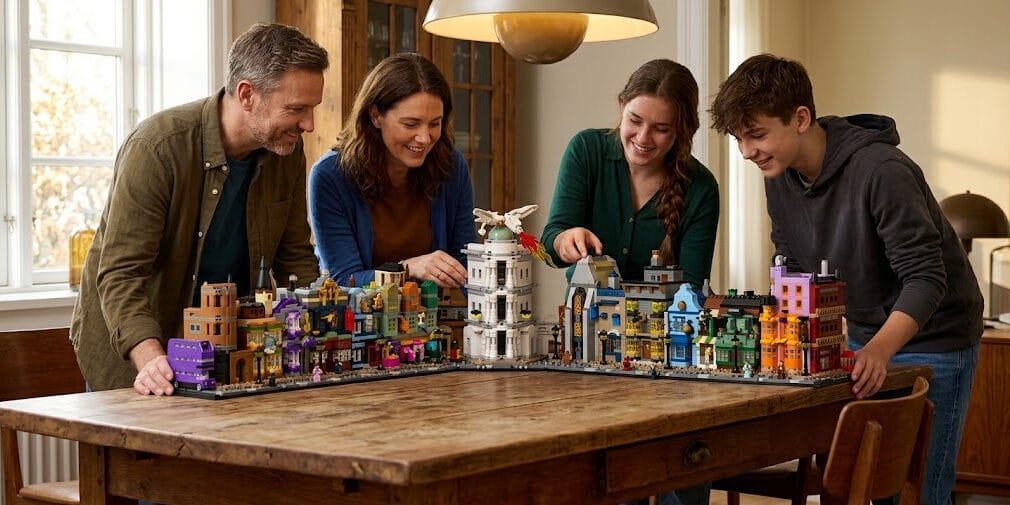
LEGO group builds solve most of that. Modern sets are designed with multiple builders in mind — some ship with several instruction booklets so each person gets their own section to complete, and LEGO’s free Builder app can split a single set’s steps across however many people are working on it. The result finishes as a display piece, not a picture stuck in an envelope.
We spent several weeks building four different LEGO sets with mixed groups of kids, teens, and adults to see which ones actually earn a spot on a rainy-day itinerary, a family vacation, or a weekend project list. Here’s what we found, including which set is worth its price and which one you should think twice about before committing a full weekend to.
Everything We Recommend
✅ We recommend these products based on an intensive research process that’s designed to cut through the noise and find the top products in this space. Guided by experts, we spend hours looking into the factors that matter to bring you these selections.
⭐ 2.5 million+ people assisted in the last 30 days ⭐
🏆
best for a group that wants ownership over individual pieces
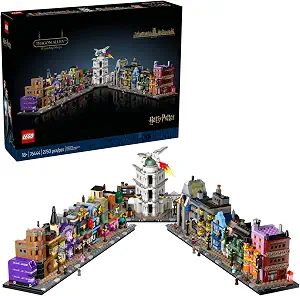
Build a detailed microscale Diagon Alley featuring iconic wizarding shops and authentic Harry Potter details.
Includes 12 microfigures featuring Harry, Ron, Hermione, Draco, Ginny, Fred, George, and others.
Recreate Eeylops Owl Emporium, Gringotts Bank, the Leaky Cauldron, Daily Prophet HQ, and Knight Bus.
Display it as a two-sided street, one long row, or five separate modules.
With 2,750 pieces, the completed model measures 34.5 inches wide and 14 inches high.
💎
best for one satisfying afternoon with a payoff you can actually use
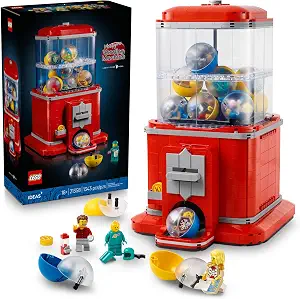
Designed for adults 18 and up, this LEGO vending machine recreates a nostalgic coin-operated experience.
Insert the LEGO coin and turn the clicking handle to release capsules containing 16 buildable minifigures.
The set includes characters inspired by Castle, Paradisa, Fabuland, fan-selected designs, and the set designer.
The 1,343-piece model provides a mindful building activity and creative display for homes or offices.
Measuring 11 inches high, 6.5 inches wide, and 8.5 inches deep, it suits compact displays.
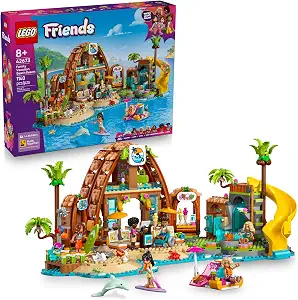
best for younger kids and lighter group sessions
Designed for kids ages 8 and up, this beach resort encourages imaginative seaside adventures.
Includes Nova, her dad, sister, Liann, Aron, Mischa, plus adorable dolphin and turtle figures.
Kids can enjoy a water slide, ice cream stand, treasure hunts, and evening firepit adventures.
Explore the turtle cave and watersports shop with paddleboards, surfboards, snorkels, and beach gear.
The completed resort measures over 18 inches wide, 7 inches high, and 9.5 inches deep.
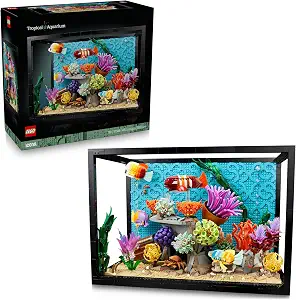
best as a slow, drop-in group project, not a single group sitting
Designed for adults 18 and up, this LEGO Icons aquarium creates a detailed underwater display.
The set includes 4 fish, colorful coral, aquatic plants, and various sea creatures for building.
Moving features include a swimming fish, swaying coral, and an opening treasure chest.
This brick-built aquarium adds colorful, tranquil decor to bedrooms, offices, and other living spaces.
With 4,154 pieces, the aquarium measures 14 inches high, 20.5 inches wide, and 11 inches deep.
How we tested
We built each set at least once as a group of three to five people, mixing ages and LEGO experience levels. We tracked total build time, how evenly the work could be split, how much table space each set demanded, and whether the finished model held up as something people actually wanted to display afterward. We also noted where the official instructions or app made group building easier — and where they got in the way.
Quick comparison: which set fits your group
Set | Price (est., at time of testing) | Pieces | Best group size | Typical build time | Best for |
|---|---|---|---|---|---|
~$170 | 2750 | 4–5 people | 6–9 hours total, splittable into solo sessions | Families with a mix of ages who want everyone to own a piece of the finished model | |
~$180 | 1343 | 2–4 people | 3–4 hours | A single focused afternoon with no leftover pieces to store | |
~$150–$180 | 1140 | 2–4 people, works well with younger kids | 2–3 hours | Families with kids under 10, or a lighter group activity | |
~$480 | 4154 | 1–2 people, or a rotating "drop-in" group | Multiple sessions over days or weeks | A slow-burn project for guests, roommates, or couples rather than a single sitting |
The four sets we recommend, and who each one is actually for
This is the set we’d point most families toward first, and it’s not close. The build isn’t one continuous structure — it’s five separate storefronts, including Weasleys’ Wizard Wheezes, Ollivanders, and Gringotts Wizarding Bank, that snap together at the end into either a long street display or a more compact block arrangement. That modularity is the whole point: instead of four people all reaching for the same pile of pieces and stepping on each other’s progress, each person gets an entire booklet and an entire building to call their own.
What surprised us during testing wasn’t the model itself; it was the arguing over who got which shop. Gringotts, with its working chandelier and vault door, was the clear favorite and caused the same kind of good-natured sibling standoff you’d expect over the last slice of pizza. That’s a genuinely good sign for a group activity—people were invested in their section, not just going through the motions.
The trade-off is time and cost. At around 2,750 pieces and roughly $170, this isn’t a spontaneous weeknight project, and if your group doesn’t care about Harry Potter, a lot of the charm (the specific shop details, the wand box props, the Knockturn Alley signage) will be lost on them. Budget a full weekend, or plan to let people finish their individual shops on their own schedule before the final assembly.
If Diagon Alley is a weekend project, this is an afternoon one. At 1,343 pieces, the Minifigure Vending Machine is a genuinely clever build: a hand-crank mechanism drops one of eight collectible minifigures — knight, astronaut, and so on — into a little chute, and it actually works, not “works” in the loose LEGO-marketing sense.
What makes this a good group build specifically is that the mechanical complexity sits in one contained area, so it lends itself well to a “some people build the frame, some people build the coin mechanism” split rather than requiring everyone to work in strict sequence. We found the internal gearing benefited most from a second set of hands—one person holding pieces steady while another clicked the mechanism together prevented the frustrating half-snapped connections that are easy to miss solo.
Once it’s done, it’s also just fun to have around. Ours has lived on a shelf and gets cranked by literally every guest who walks by it, which isn’t something we can say about most finished LEGO builds. The catch: at around $180 for 1,343 pieces, the price per piece runs higher than average, and the reward is a novelty object rather than a large-scale display piece — if you want something that fills a shelf, this isn’t it.
This is the set we’d recommend if your group includes kids under 10, or if you want something that can realistically be finished in one sitting without anyone losing steam. At 1,140 pieces, it’s the fastest build of the four we tested, and the mini-doll figures — surfing, eating ice cream, digging for buried treasure — give younger builders an obvious, playful payoff that doesn’t require understanding the finer points of modular brick construction.
We ran this one with a mixed-age group, and the dynamic that emerged was genuinely nice: older kids and adults naturally slid into a helper role, handing over pieces and confirming which color went where, without the whole thing turning into an adult doing the build while a kid watches. That’s a meaningfully different experience than the denser sets on this list, where an 8-year-old would likely need to be walked through most steps rather than contributing meaningfully.
Where this set comes up short is longevity and scale as a group activity. At 1,140 pieces split across two to four people, it’s genuinely finished in an afternoon — closer to two hours than four — so if you’re looking for something to anchor a multi-day trip or a longer team-building session, this isn’t the anchor. Pair it with a second, denser set if you need more runway.
At 4,154 pieces and roughly $480, this is the largest and most expensive set we tested, and it’s also the one we’d steer most families away from treating as a single weekend group activity. The scale is genuinely impressive once finished — a coral reef packed with individually built fish, moving elements, and enough color variation that it looks less like a toy and more like an aquarium display piece — but getting there is a real time investment, and the finished model is large enough that transporting or dismantling it afterward is its own project.
Where this set actually shines as a group build is in a “come and go” format rather than a dedicated session. We left it out on a table over the course of several weeks and let anyone who was around — houseguests, a partner between meetings, a kid doing homework nearby — add a few pieces whenever they felt like it. That casual, drop-in structure suited the set far better than trying to power through it in one sitting, and it turned into a genuinely good low-pressure activity for people who wanted to chat while their hands were busy.
If you’re deciding between this and Diagon Alley for a family trip, the size difference matters more than the piece count alone suggests: Diagon Alley’s modular shops travel and pack down more easily, while the Aquarium is closer to a permanent installation once complete. Choose the Aquarium if you have a dedicated surface for it to live on afterward, not if you need to break it down and take it home in a suitcase.
How to match a set to your group, in three questions
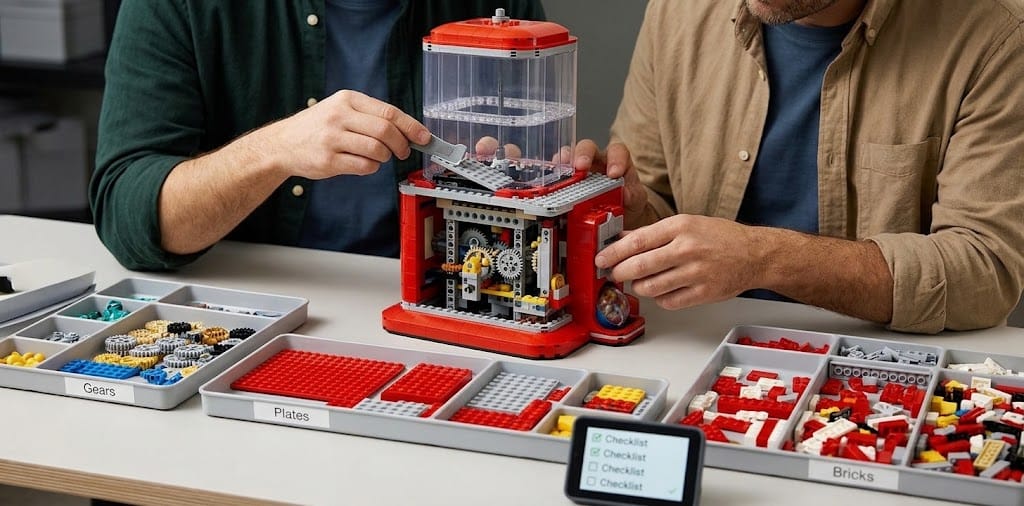
How many people are actually building at once? For four or more people working simultaneously, Diagon Alley’s modular booklets are the only set on this list that gives everyone a genuinely independent task. For two or three, the Vending Machine or Beach Resort both work well.
Do you need this finished in one sitting, or can it stretch over weeks? If you need a complete model by the end of a single day or weekend, skip the Aquarium. If you have an ongoing shared space — a family living room, a shared house — the Aquarium’s slow-build format is actually a feature, not a limitation.
What’s the age range in the room? Beach Resort is the clear pick for groups with kids under 10. For teens and adults, all four sets work, though Diagon Alley and the Aquarium reward more patience and finer motor control.
Get more out of the build itself
LEGO’s free Builder app can divide a set’s instructions across multiple people, letting each person work through their own version of the steps at their own pace while viewing the model from any angle — genuinely useful for pieces that are hard to place from a flat instruction-manual illustration. The one real annoyance we ran into repeatedly: the app assigns each builder a themed persona name rather than letting you use your own name, which sounds minor until you’re three hours in and can’t remember whether you’re “Olly” or your kid is.
For sets like Diagon Alley that ship with individual printed booklets, you don’t need the app at all — everyone can work from their own physical instructions, which some testers actually preferred over passing around a tablet.
A few cheap organizational tools made a real difference in testing: shallow trays or bowls for each builder kept pieces from migrating across the table, and sorting by color or by build step (rather than piece type) sped things up more than any app feature did. Skip anything that spins or rotates — a lazy-Susan-style sorting tray sounds efficient but ends up needing its own flat surface anyway, and it just gets in the way when several people are reaching for pieces at once.
What to do once the build is finished
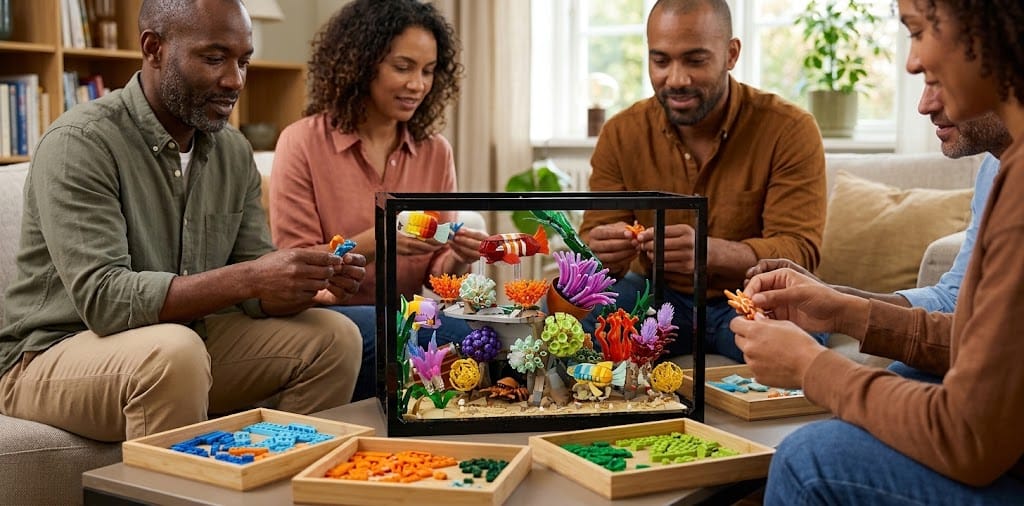
This is the part most guides skip. Once your set is complete, you’ve got three realistic options: display it, store it intact, or take it apart.
If you’re storing a finished set for the long term without displaying it, resist the urge to just dump pieces back in the box. Disassemble it following the printed instructions in reverse, bagging each numbered section separately using the original numbered bags if you kept them. It’s slower up front, but it turns “rebuilding this someday” from a multi-hour sorting nightmare into a straightforward re-assembly.
For a set like the Aquarium that’s genuinely large once finished, think about where it’s going to live before you start. A model that took three weeks of casual group effort to build deserves a permanent shelf, not a trip in the trunk of a car.
Frequently asked questions
What age is a good LEGO group build for? Beach Resort works well with kids as young as 6 or 7 when paired with an adult. Diagon Alley and the Vending Machine are better suited to kids 10 and up who can follow multi-step instructions independently. The Aquarium’s fine detail work skews toward teens and adults.
How much table space do I actually need? Beach Resort and the Vending Machine fit comfortably on a standard dining table. Diagon Alley needs enough surface for its full street layout if you want to see the finished model assembled — plan for at least a card-table-sized area. The Aquarium is the biggest commitment; you’ll want a dedicated surface it can occupy for the full build period, not just the final display.
Is a bigger piece count always a better group activity? Not necessarily. Diagon Alley’s 2,750 pieces work well for groups because they’re split into independent sections. The Aquarium’s 4,154 pieces are more continuous, which makes it better suited to a rotating, casual group than a single coordinated session.
Do we need the LEGO Builder app to do a group build? No. Sets like Diagon Alley that ship with multiple printed booklets can be split among builders without the app at all. The app is most useful for sets that only come with a single combined instruction manual.
Bottom line
For most families weighing a group LEGO build, Diagon Alley 76444 is the strongest overall pick: it’s the only set here purpose-built for several people to work independently and simultaneously, and the modular shops give everyone real ownership over a piece of the final model. If your group is younger or you only have an afternoon, Beach Resort 42673 is the faster, easier win. Save the Aquarium for a slower, come-and-go project rather than a single group sitting, and treat the Vending Machine as the best pick when you want a satisfying, contained project with a genuinely fun payoff.