Advertiser Disclosure
We independently review everything we recommend. When you buy through our links, we may earn a commission.
The Best Mechanical Pencils for Sketching & Drawing
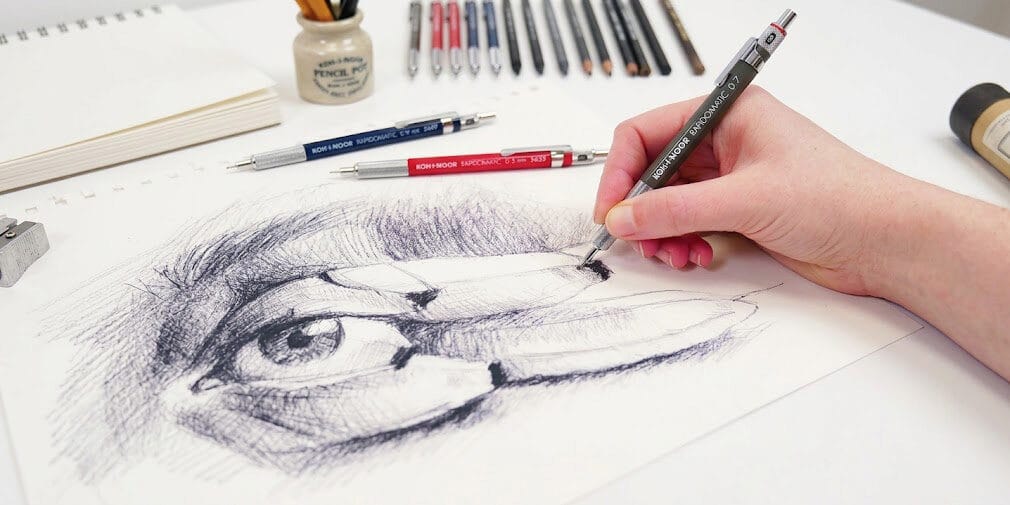
We spent several weeks sketching, cross-hatching, shading, and drafting with a stack of mechanical pencils that range from budget-friendly starter sets to precision German engineering. We wanted to know which ones actually hold up during long sketching sessions, which ones are worth the extra money, and which ones you can skip. Below, we’re walking through 14 mechanical pencils that consistently stood out — not because they’re the flashiest or the most expensive, but because they solve real problems artists run into every day: broken tips, inconsistent lines, uncomfortable grips, and lead that dulls out halfway through a portrait.
Quick-Reference: Which Pencil Fits Your Drawing Style
- Fine-line technical sketching: Alvin Draft-Matic 0.3mm, rOtring 600 0.5mm
- Self-sharpening convenience for long study sessions: Uni Kuru Toga Pipe Slide, Uni Kuru Toga Roulette
- Fast, uninterrupted sketching flow: Tombow Mono Graph Shaker
- Professional drafting and fine art crossover: Pentel GraphGear 1000, rOtring Rapid Pro
- Budget-conscious students: Pentel GraphGear 500, Mr. Pen Art5 Set
- Bold, expressive shading and value studies: Koh-i-Noor Lead Holder, WSD Sketch Up, Koh-I-Noor 5340
How We Approached Testing
Before going into detail, it’s worth explaining what we looked for, since “best” is subjective in a category this personal. We paid attention to:
- Grip comfort during long sessions — does your hand cramp after 45 minutes of shading?
- Lead durability — how often did we snap leads under normal sketching pressure?
- Mechanism reliability — does the lead advance smoothly, or does it jam?
- Balance and weight — does the pencil feel like an extension of your hand, or a tool you’re fighting?
- Line consistency — does the tip stay sharp, or does it go chisel-shaped after a few strokes?
We also tried to be honest about trade-offs. A heavier, all-metal pencil might feel incredible for detail work but tire out your hand during a two-hour figure-drawing session. A lightweight plastic-bodied pencil might be more forgiving for long sketches but feel less substantial in hand. None of these are flaws exactly — they’re just things worth knowing before you buy.
The 14 Mechanical Pencils We Recommend
✅ We recommend these products based on an intensive research process that’s designed to cut through the noise and find the top products in this space. Guided by experts, we spend hours looking into the factors that matter to bring you these selections.
⭐ 2.5 million+ people assisted in the last 30 days ⭐
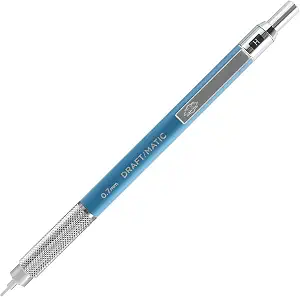
The first thing you notice when picking up the Draft-Matic is the weight — it’s heavier than you’d expect from a pencil built around a hair-thin 0.3mm lead, and that turned out to be exactly why one of our testers, who does a lot of architectural line work, kept reaching for it over lighter alternatives. The added heft in the barrel actually helps steady your hand when you’re working at that fine a line width, which normally feels twitchy and easy to overcorrect. The knurled stainless steel grip has a noticeably deeper texture than most pencils in this price range, which some testers loved for the secure hold during long detail sessions, and others found a little rough on bare fingers after an hour. The rotating lead-grade window is a small but genuinely useful touch if you swap between hardness grades for line work versus shading guides. This pencil suits students and professionals doing precise technical or architectural sketching where a 0.3mm line needs to stay controlled rather than wandering, and it’s an easy pencil to recommend if you already know you prefer a substantial, grounded feel over something light and pocket-friendly.
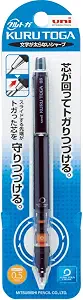
This is the pencil we handed to a tester who was skeptical that “self-sharpening” mechanisms were more marketing than substance — and she came back a convert. As you draw, the Kuru Toga engine rotates the lead a few degrees with each lift of the pencil, so instead of watching your line width slowly widen as the tip goes flat on one side, you get a consistently fine line for far longer than a standard pencil. The Pipe Slide feature adds a sliding metal sleeve that retracts as the lead wears down, meaning you’re not constantly clicking to feed out more lead mid-sketch, which matters more than it sounds like when you’re trying to stay in a creative flow. We noticed the rotation happens roughly twice as fast as the standard Kuru Toga models, which is genuinely visible through the little window on the barrel — oddly satisfying to watch. This one suits sketchers who do a lot of continuous line work, cross-hatching, or extended shading passes and don’t want to keep stopping to manually rotate the pencil for an even tip.
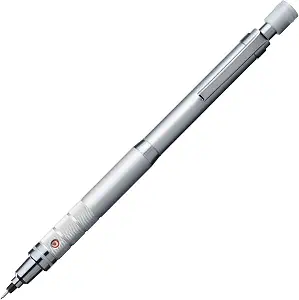
The Roulette takes everything we liked about the standard Kuru Toga rotation mechanism and wraps it in a knurled metal grip section instead of plastic, and the difference in hand-feel is bigger than we expected going in. One tester who sketches outdoors regularly said the added weight up front gave her more control on rougher paper textures compared to lighter pencils in her case. Because the grip is genuinely metal rather than painted plastic, it holds up to sweaty hands and frequent use without that slick, worn-in feeling plastic grips eventually get. It’s only available in 0.5mm, which was a mild letdown for testers who wanted a 0.3mm option for finer detail work, so keep that in mind if line width flexibility matters to you. Where this pencil really shines is in longer sketching sessions where lead rotation combined with a stable, weighted grip means fewer stops to reposition your hand or manually twist the pencil. If you already like the Kuru Toga rotation system and want a more premium feel in the hand, this is the natural upgrade.
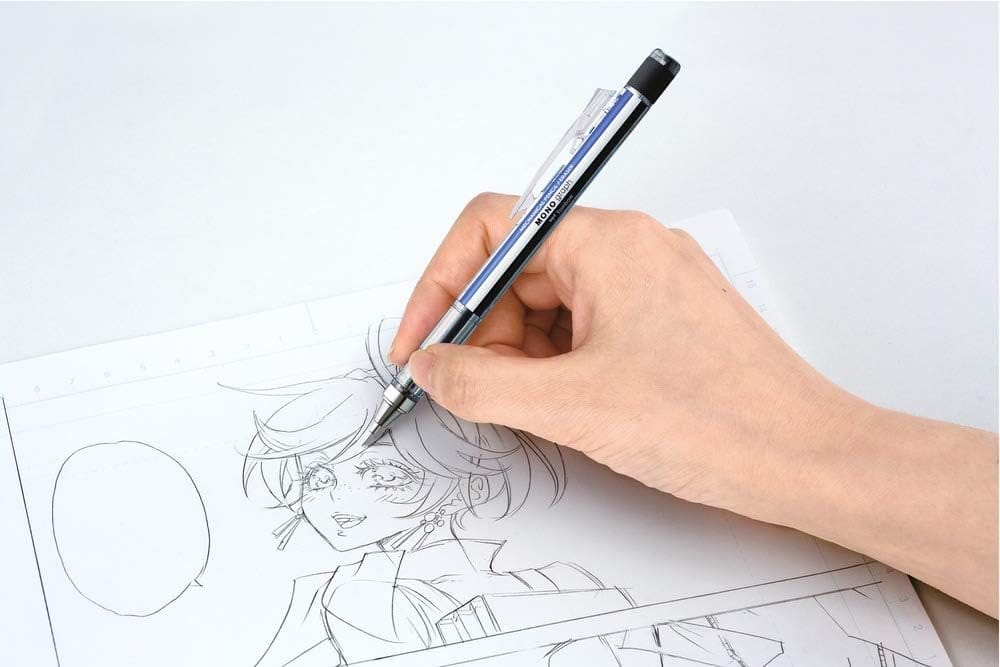
We’ll be honest — the shake-to-advance mechanism felt gimmicky before we tried it, and within a day of sketching with it, two of our testers had adopted the habit without thinking about it. Instead of reaching up to click the top button and breaking your drawing flow, you give the pencil a small flick of the wrist and the lead advances on its own, which sounds minor until you realize how often that little pause interrupts a gesture drawing or a quick figure study. The lock mechanism on the clip is what makes this practical rather than annoying — flip it up and the shaker won’t accidentally advance lead while it’s rattling around in your bag. The long, twist-up eraser is genuinely one of the better ones we tested in this roundup, giving you real erasing length instead of the stubby nubs some pencils ship with. This pencil is a strong fit for sketchers who value uninterrupted drawing flow, especially for gesture work, quick studies, or anyone tired of losing momentum every time they need more lead.
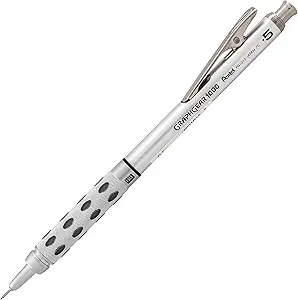
This is the pencil that came up unprompted in nearly every conversation our team had with other artists during testing, and after a few weeks with it, we understood why. The retractable tip is the standout feature — unlike fixed-sleeve drafting pencils, you can click the tip back into the barrel when you’re done, which means tossing it in a bag or pencil case without worrying about bending the fine lead guide. The metallic mesh grip inlaid with soft rubber pads struck a balance we didn’t expect: precise enough for technical work, comfortable enough that our hands weren’t sore after long sketching sessions. One tester who does architectural sketching on-site specifically praised how the aluminum body holds up to being dropped, which happens more than any of us like to admit with drafting tools. The built-in lead hardness indicator is a small but genuinely convenient feature if you switch between grades for line work versus shading. This one is worth the higher price if you want a single pencil that moves easily between technical drafting and expressive sketching without feeling like a compromise in either direction.
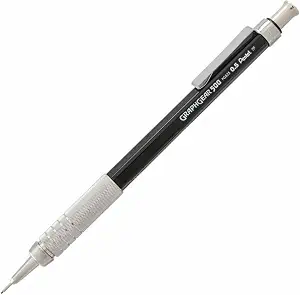
If the GraphGear 1000 is the pencil people covet, the GraphGear 500 is the one we actually recommended to a design student on a tight budget, and she’s stuck with it for over a year now. It shares the same fixed 4mm sleeve and metallic mesh grip as its pricier sibling, which means you get comparable line control and comfort for roughly half the cost. The trade-off is a lighter plastic barrel instead of full metal, and a fixed (non-retractable) tip, so it’s genuinely more prone to a bent nib if you drop it tip-first — something one of our testers learned the hard way after it rolled off a desk. That said, for day-to-day sketching and drafting, the performance difference is smaller than the price difference would suggest. This pencil makes the most sense for students, hobbyists, or anyone who wants GraphGear-level line quality without committing to a premium price point, as long as you’re reasonably careful about where you set it down.
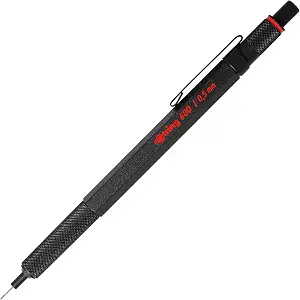
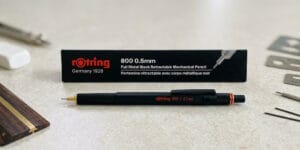
There’s a reason the rOtring 600 shows up on nearly every “best drafting pencil” list, and after using it for several sketching sessions, we’re not going to argue with the reputation. The full brass body gives it a substantial, grounded weight that several testers described as feeling like a “real tool” rather than an office supply — and once you’re used to that heft, lighter pencils can feel almost flimsy by comparison. The hexagonal barrel isn’t just aesthetic; it genuinely stops the pencil from rolling off a slanted drafting table or sketchbook, which is a small detail that matters more than you’d think once you’ve chased a rolling pencil across a studio floor. The knurled grip is fine enough that it doesn’t dig into your fingers over a long session, striking a comfortable middle ground between too smooth and too aggressive. The one caveat worth knowing: the tip is fixed rather than retractable, so a direct drop onto the nib can bend it, which is the tradeoff for that all-metal durability elsewhere. This pencil tends to suit artists and drafters who want a lifetime tool and don’t mind babying the tip a little in exchange for unmatched balance and build quality.
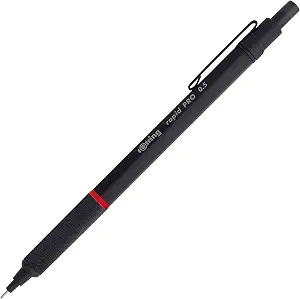
Testing this alongside the rOtring 600 was interesting because on paper they sound similar, but in the hand they feel like different tools built for different moods. The Rapid Pro’s cushioned lead mechanism absorbs a bit of the shock when you press down hard mid-stroke, which noticeably reduced lead breakage for a tester who tends to sketch with heavier pressure during expressive passes. The sliding sleeve mechanism gives a bit more forgiveness than the 600’s rigid sleeve, which some testers actually preferred for everyday sketching where absolute precision matters less than comfort over a long session. It keeps the same full metal body and knurled grip that make rOtring pencils feel premium, along with a built-in eraser tucked under the push-button cap for quick corrections without hunting for a separate eraser. This is a strong pick for sketchers who want that rotring build quality and balance but prioritize break resistance and comfort over the more rigid, purely technical feel of the 600.
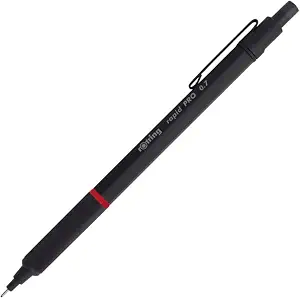
We put the 0.7mm Rapid Pro through a week of everyday sketchbook work, and it quickly became the pencil one tester reached for when she wanted a bolder, more visible line without jumping all the way up to a 2.0mm lead holder. The wider line width is genuinely more forgiving for gesture drawing and loose figure studies, where you’re working fast and don’t need the surgical precision of a 0.5mm tip. It shares the same cushioned lead mechanism and sliding sleeve as its thinner sibling, so lead breakage stayed low even when testers leaned into heavier pressure during quick sketches. The knurled metal grip and hexagonal no-roll barrel carry over as well, so you’re not sacrificing any of the comfort or desk-friendliness that makes the Rapid Pro line stand out. This size tends to suit sketchers and illustrators who prefer a slightly bolder line for expressive work, thumbnail sketching, or anyone whose hand naturally presses harder and wants a lead width that can handle it without constant snapping.
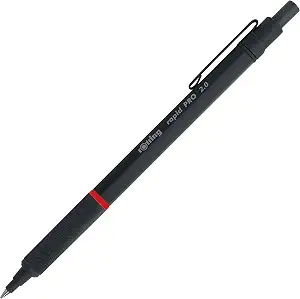
The 2.0mm Rapid Pro is a genuinely different tool from the rest of this list, and it earned its spot for a specific reason: shading. One of our testers who does a lot of tonal value studies said this pencil replaced her graphite sticks almost entirely, since the thick lead lets you cover broad areas quickly while still being sharpenable to a point for detail work using the built-in sharpener tucked under the push-button cap. That sharpener turned out to be more useful than we expected — no digging around for a separate tool mid-sketch, just twist the cap and go. The unique push mechanism for lead transport feels different from the click-to-advance systems on thinner pencils, and it took a session or two to get used to, but once it clicked (literally), testers appreciated the control it gave over how much lead they were feeding out. This pencil suits artists doing loose sketching, broad shading, or anyone who wants one tool that can lay down both an expressive dark line and, after a quick sharpen, a more controlled edge.
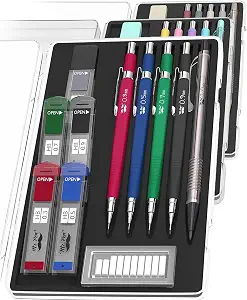
We gave this set to a tester who was just getting serious about sketching and didn’t want to spend a lot figuring out which lead width she actually preferred, and it did exactly the job it’s meant to do. Having all five common lead sizes on hand meant she could test 0.3mm for detail work against 0.9mm for bolder shading in the same sitting, which genuinely helped her figure out her own preferences faster than buying pencils one at a time would have. The color-coded barrels made it easy to grab the right size without checking labels mid-sketch, a small thing that saves real time once you’re used to it. Build quality is where you feel the price difference compared to the premium picks on this list — the grips are comfortable enough for shorter sessions, but a couple of testers noticed more hand fatigue during extended two-hour sketching sessions compared to metal-bodied options. Still, for the price of one premium pencil, you’re getting five functional tools plus lead and eraser refills, which makes this a sensible starting point for students, beginners, or anyone building out a sketching kit without a big budget.
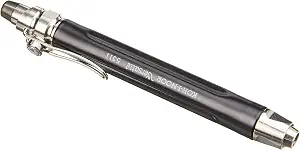
Switching to this lead holder after a week of standard mechanical pencils felt like a genuine change in how we approached shading. Because the 5.6mm lead is so much thicker than a typical 0.5mm or 0.7mm pencil lead, you can cover large areas of a page quickly, and the built-in sharpener in the cap lets you bring it back down to a precise point whenever you need finer detail — so it’s not an either/or choice between broad and fine work. One tester who does a lot of value studies said the weight of the all-metal barrel actually improved her control during long shading passes, since the heft does some of the work for you instead of requiring constant hand pressure. The drop-clutch mechanism is simple: press the knob in an angled position and the lead slides forward under gravity, which takes a session to get used to but becomes second nature quickly. This tool suits artists who spend real time on tonal shading, life drawing, or anyone who’s outgrown the limitations of thin mechanical pencil leads and wants something closer to a traditional pencil experience with mechanical convenience.
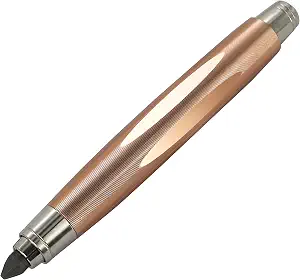
This one surprised us mostly because of how solid the build feels for the price. The brass and aluminum alloy construction gives it a reassuring weight without tipping into “too heavy to sketch with for an hour” territory, and the ribbed, threaded grip section actually does what it promises — it stayed comfortably anti-slip even during a warm afternoon sketching session outdoors. Like the Koh-i-Noor lead holder, it accepts thick 5.6mm lead and charcoal, so you can move between fine detail and broad shading strokes without switching tools, and the built-in sharpener in the cap means you’re not carrying a separate sharpening block in your bag. A couple of testers noted the barrel can loosen slightly from the lead holder section after being tossed around in a bag for a few weeks, which is a minor annoyance but an easy fix — just screw it back together. For the price, this pencil is hard to beat if you want the thick-lead sketching experience without paying premium prices for the European-made alternatives on this list, and it’s a solid entry point for anyone curious about clutch-style lead holders before committing to a pricier option.
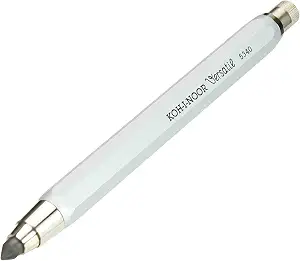
We saved this one for last because it’s the pencil our most experienced tester kept coming back to, almost out of habit, even with newer options sitting on the desk next to it. The all-metal aluminum-and-brass body has real heft — around 46 grams — and that substantial weight translates into steadiness during shading and cross-hatching that lighter tools just can’t replicate. The hexagonal barrel keeps it from rolling away, and the simple drop-type clutch mechanism (press the button, let gravity feed the lead) is refreshingly low-tech in a good way; there’s nothing to jam or malfunction. Like the other 5.6mm holders on this list, it takes a wide range of graphite grades along with specialty leads like chalk or charcoal, so it adapts to whatever your sketch needs without switching tools mid-session. This pencil tends to appeal to artists who value old-world build quality and don’t mind the extra weight in exchange for a tool that feels like it’ll genuinely last a lifetime, particularly for cross-hatching, shading, and traditional life-drawing work.
Lead Size: Why 0.3mm vs 5.6mm Actually Matters
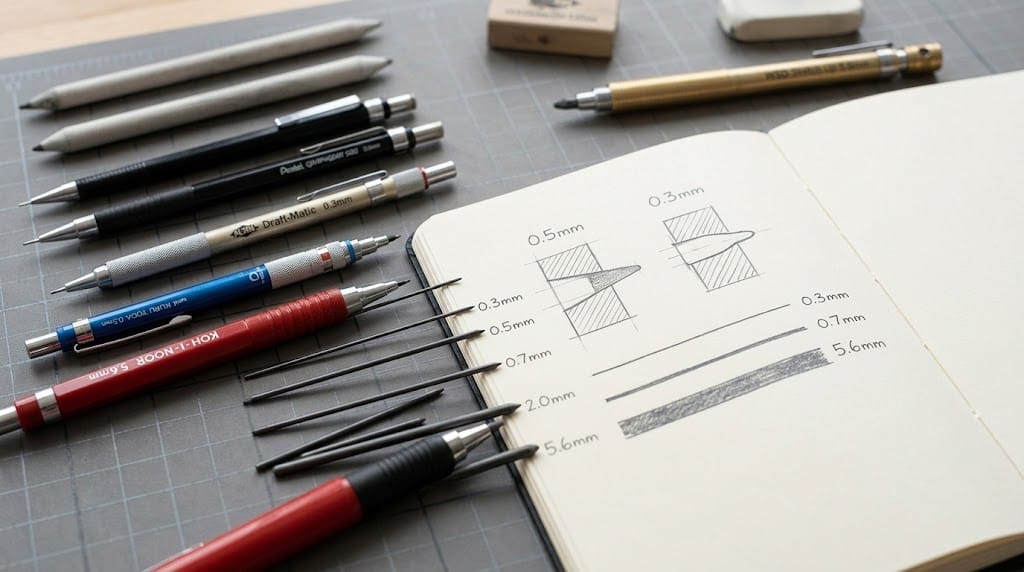
This is probably the single most common question our team gets, so it’s worth breaking down plainly. Thinner leads (0.3mm–0.5mm) generally give you more control for fine detail, technical linework, and precise cross-hatching, but they also tend to break more easily under heavy pressure. Mid-range leads (0.7mm–0.9mm) tend to strike a balance that works for general sketching and looser figure work. Thick leads (2.0mm and 5.6mm) function more like traditional graphite pencils — they’re built for shading, broad strokes, and value studies rather than fine detail, though most can still be sharpened to a point when needed. If you’re only going to own one pencil, something in the 0.5mm–0.7mm range tends to be the most versatile starting point, which is part of why so many of the picks on this list land in that window.
Self-Rotating vs. Standard Mechanisms
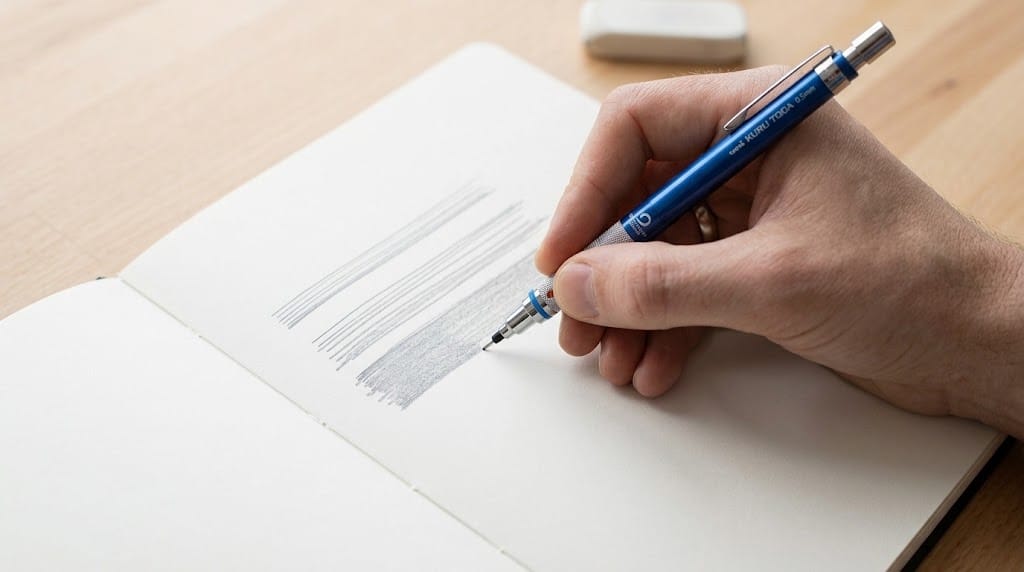
The Kuru Toga models on this list represent a genuinely different approach worth understanding before you buy. In a standard mechanical pencil, the lead naturally wears down on one side as you write, gradually creating a flat, chisel-shaped tip that widens your line over time — most people compensate by manually twirling the pencil, often without realizing they’re doing it. Self-rotating mechanisms handle that automatically, which in our testing produced more consistent line widths over longer stretches of drawing without any conscious effort. It’s not a strictly necessary feature, but for anyone who does long study sessions or detailed technical work, it removes a small but real point of friction.
Frequently Asked Questions
What’s the best mechanical pencil lead size for beginners? Most of our testers landed on 0.5mm or 0.7mm as the most forgiving starting point — thin enough for reasonable detail, thick enough to resist snapping under normal beginner pressure. If you’re still figuring out your preferences, a multi-size set like the Mr. Pen Art5 lets you test a few widths before committing to one.
Do mechanical pencils work well for shading, or are they only good for line work? Standard 0.5mm–0.7mm pencils aren’t ideal for large shaded areas since the tip is so thin, but thicker options — 2.0mm pencils and especially 5.6mm lead holders like the Koh-i-Noor or WSD Sketch Up — genuinely function like traditional shading pencils while still offering the precision of a sharpenable point.
How often should I expect to replace the lead? This depends heavily on how much pressure you use and what grade of lead you’re running, but softer leads (2B and up) wear down faster than harder grades (H, HB) since they’re designed to lay down more graphite per stroke. Thicker lead holders naturally last longer between refills since there’s simply more material in each stick.
Is a more expensive mechanical pencil actually worth it for sketching? Not always, and we want to be upfront about that. The Pentel GraphGear 500 and Mr. Pen Art5 set both performed admirably for everyday sketching at a fraction of the cost of pencils like the rOtring 600 or GraphGear 1000. The premium pencils tend to earn their price through build quality, balance, and longevity rather than dramatically better line quality — so it comes down to how much you value the feel of the tool in your hand and how long you expect to own it.
Can I use drafting pencils for artistic sketching, or are they only meant for technical work? Drafting pencils like the rOtring 600 and Pentel GraphGear line were originally designed for technical drawing, but plenty of illustrators and sketch artists use them specifically because of the precision and durability they offer. No rule says a drafting pencil can’t be an art tool — several of our testers preferred them over dedicated “art” pencils for exactly that reason.
What should I pair with my mechanical pencil for the best sketching results? The pencil is only half the equation. If you’re working with softer leads or thicker 5.6mm sticks, it’s worth reading up on choosing the right sketchbook paper for graphite work, since tooth and weight affect how the lead lays down and how well your shading blends. Pairing a good pencil with the wrong paper can undercut a lot of what makes these tools worth the investment.
Final Thoughts
None of these fourteen pencils is going to make you a better artist on its own — that part’s still on you. What the right pencil can do is get out of your way: fewer broken leads mid-sketch, less hand fatigue during a long session, more consistent lines without having to think about it. Our team’s honest take is that if you’re just starting out, the Mr. Pen Art5 set or the Pentel GraphGear 500 gives you more than enough to figure out what you actually like. If you already know you lean toward fine technical work, the Alvin Draft-Matic or rOtring 600 are hard to beat. And if broad shading and tonal work are more your speed, the 5.6mm lead holders from Koh-i-Noor and WSD deserve a serious look. Whichever direction you go, our best advice is the same one we’d give any sketcher: try a couple of lead widths before you settle, because the “best” mechanical pencil really is the one that disappears in your hand while you’re working. For more on rounding out your sketching kit, our guide to blending and shading tools for graphite art covers what pairs well with whichever pencil you land on.